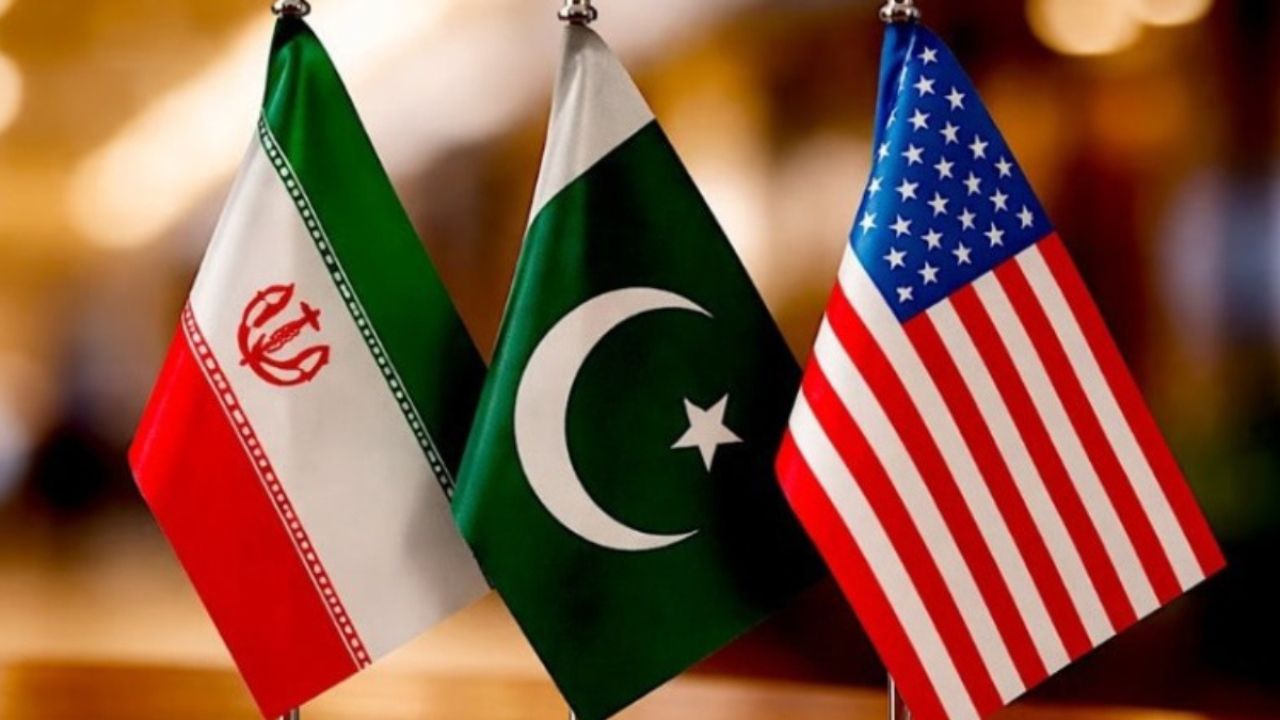

Iran has delivered a response to the latest United States peace proposal through Pakistan, as President Donald Trump warned that “the clock is ticking” for a deal to end the Middle East conflict.
According to Pakistani sources, Islamabad had shared Tehran’s revised proposal with Washington but cautioned that the sides “do not have much time” to bridge their differences, reports Reuters.
Iranian Foreign Ministry spokesperson Esmaeil Baghaei confirmed that Tehran’s views had been “conveyed to the American side through Pakistan,” without providing further details.
A fragile ceasefire has held for six weeks following US-Israeli airstrikes on Iran, but Pakistan-mediated negotiations have stalled. President Trump has described the truce as “on life support.”
According to Reuters, the Pakistani sources declined to provide specifics on Iran’s revised proposal, saying the sides “keep changing their goalposts” and stressing, “we don’t have much time.”

As diplomatic efforts falter, Israeli attacks on Lebanon continue. The Israeli navy has begun intercepting vessels from an aid flotilla attempting to breach the blockade of the Gaza Strip.
Meanwhile, Israel carried out airstrikes in southern Lebanon on Monday, Lebanese security sources and the state news agency said, while Hezbollah announced new attacks on Israeli forces, continuing the war in Lebanon despite the extension of a US-backed truce.
Reignited by the US-Israeli conflict with Iran, hostilities between Iran-backed Hezbollah and Israel have rumbled on since US President Donald Trump first announced a ceasefire on April 16, with fighting mostly contained to southern Lebanon.


A 45-day ceasefire extension, announced after a third round of US-hosted talks between Lebanon and Israel on Friday, began at midnight, a Lebanese official said.
Stalled US-Iran negotiations
Washington has demanded that Tehran dismantle its nuclear programme and lift its effective blockade of the Strait of Hormuz, a key conduit for one-fifth of the world’s oil and liquefied natural gas supply.
Iran has insisted on compensation for war damage, an end to the US blockade of its ports, and a halt to fighting across multiple fronts, including Lebanon, where Israeli forces continue operations against the Iran-backed Hezbollah militia.
President Trump warned on his social media platform Truth Social that “the clock is ticking” and urged Iran to act quickly or face consequences. Axios reported that Trump is scheduled to meet top national security advisers on Tuesday to consider resuming military action.
Negotiations have also been hindered by Iran’s nuclear ambitions. The US and other major powers seek guarantees that Tehran cannot develop nuclear weapons. Iran denies pursuing such weapons and seeks compensation for wartime losses, assurances against further attacks, and the resumption of its oil exports.
Baghaei stated that Tehran is prepared for all scenarios. Speaking at a weekly televised press conference, he said, “As for their threats, rest assured that we are fully aware of how to respond appropriately to even the smallest mistake from the opposing side.”
The conflict has intensified regional instability. Israeli military operations in Lebanon and Gaza continue amid rising casualties, while Pakistan’s increased military presence in Saudi Arabia reflects heightened concern over possible escalation. Analysts warn that the convergence of stalled diplomacy, nuclear tensions, and regional military build-up leaves the Middle East in a precarious position.
Pakistan deploys jet squadron, troops to Saudi Arabia
Meanwhile, Pakistan has deployed 8,000 troops, a squadron of fighter jets, and an air defence system to Saudi Arabia under a mutual defence pact, Reuters reported. The deployment, confirmed by three security officials and two government sources, marks a significant increase in military cooperation with Riyadh, even as Islamabad acts as the primary mediator in the Iran conflict.
The agreement, signed last year, obliges both countries to support each other if attacked. Defence Minister Khawaja Asif previously suggested that it places Saudi Arabia under Pakistan’s nuclear umbrella.
Pakistani officials have now confirmed that 16 JF-17 fighter jets, two drone squadrons, and a Chinese HQ-9 air defence system have been deployed. Pakistani personnel operate the equipment, which is funded by Saudi Arabia.
The troops’ primary role during the Iran conflict is advisory and training, though additional forces could be sent if required. Previous agreements already station thousands of Pakistani troops in the kingdom, with the defence pact allowing for up to 80,000 personnel if needed. The pact may also involve deploying Pakistani warships, though it is unclear whether any have reached Saudi Arabia.