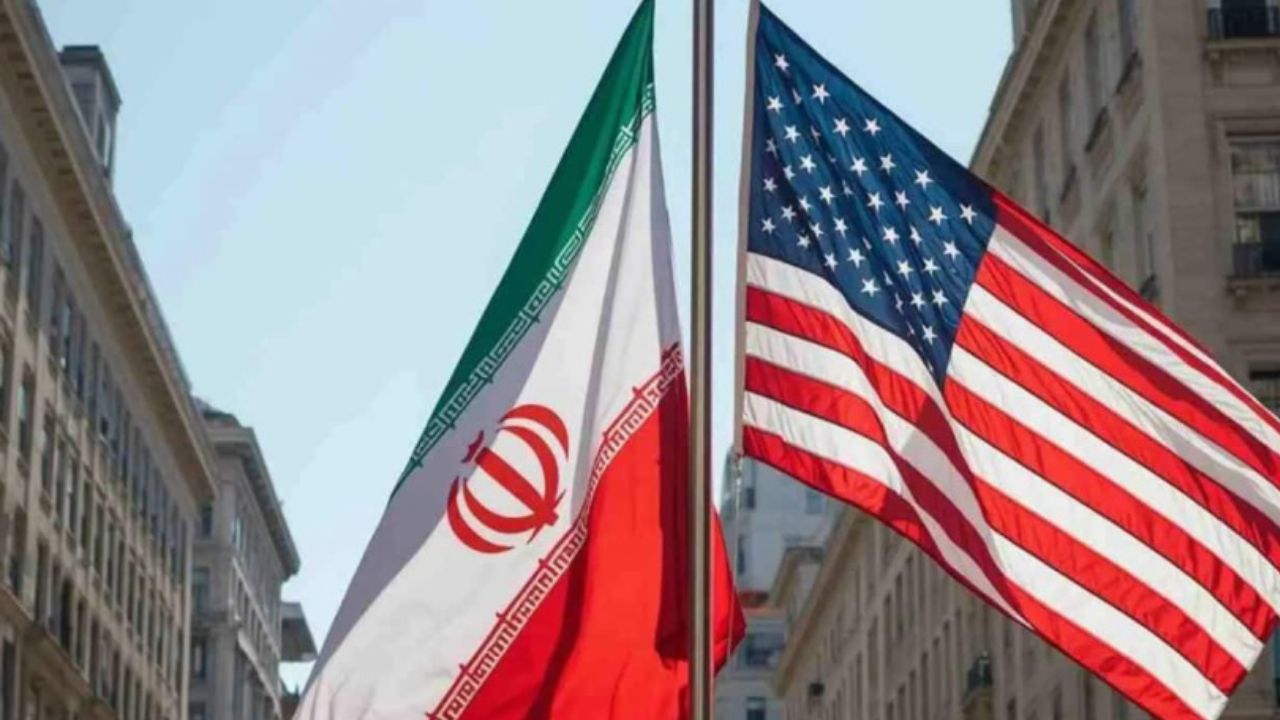
Iran and US made “significant progress” during talks in Switzerland on Thursday, mediators confirmed, as the latest round of negotiations aimed at preventing conflict between the longtime adversaries concluded. Both sides have agreed to convene further discussions in Austria next week.
Omani-mediated talks follow repeated threats from President Donald Trump to strike Iran, with him last Thursday giving Tehran a 15-day deadline to reach a deal.
While Tehran insists the discussions focus exclusively on its nuclear programme, Washington seeks to curtail Iran’s missile programme and its support for militant groups across the region.
Iranian Foreign Minister Abbas Araghchi told state television that the talks “made very good progress and entered into the elements of an agreement very seriously, both in the nuclear field and in the sanctions field.”
He confirmed the next round would take place in “perhaps less than a week,” with technical talks at the UN’s nuclear agency scheduled to begin in Vienna on Monday.
Omani Foreign Minister Badr Albusaidi also announced technical discussions would be held “next week in Vienna.”
“We have finished the day after significant progress in the negotiation between the United States and Iran,” he posted on X.

The negotiations unfolded against the backdrop of the largest US military buildup in the Middle East in decades.
US and Iranian delegations held a morning session at the Omani ambassador’s residence under tight security, pausing to consult with their respective capitals before a second session began around 1700 GMT.
Araghchi, in an overnight social media post, described the latest round of talks as “the most intense so far.”
“It concluded with the mutual understanding that we will continue to engage in a more detailed manner on matters that are essential to any deal – including sanctions termination and nuclear-related steps,” Araghchi posted on X.


UN nuclear chief Rafael Grossi joined the negotiations, a source close to the talks told AFP.
Dramatic buildup
Wall Street Journal reported on Thursday that Trump’s negotiating team would demand Iran dismantle its three main nuclear sites and hand over all its remaining enriched uranium to the United States.
Iranian President Masoud Pezeshkian insisted ahead of the talks that the Islamic republic was not “at all” seeking a nuclear weapon.
As part of the dramatic US buildup, USS Gerald R Ford – the world’s largest aircraft carrier – departed a naval base in Crete on Thursday after being sent to the Mediterranean this week, an AFP photographer confirmed.
Washington currently maintains more than a dozen warships in the Middle East: one aircraft carrier – USS Abraham Lincoln – along with nine destroyers and three other combat vessels. It is rare for two US aircraft carriers to operate simultaneously in the region.
‘Sinister nuclear ambitions’
In State of the Union on Tuesday, Trump accused Iran of “pursuing sinister nuclear ambitions,” though Tehran has consistently maintained its programme serves civilian purposes only.
He also claimed Tehran had “already developed missiles that can threaten Europe and our bases overseas.”
Iranian foreign ministry dismissed these assertions as “big lies.”
According to Tehran’s public disclosures, the maximum range of Iran’s missiles is 2,000 kilometres. However, the US Congressional Research Service estimates they reach approximately 3,000 kilometres – less than a third of the distance to the continental United States.
Trump’s State of the Union accusations in Congress were delivered in the same forum where then-president George W Bush laid out the case for the 2003 invasion of Iraq.
‘People would suffer’
US was represented by envoy Steve Witkoff and Jared Kushner, who is married to Trump’s daughter Ivanka.
The two countries held talks earlier this month in Oman, followed by a second round in Geneva last week.
A previous attempt at negotiations collapsed when Israel launched surprise strikes on Iran last June, triggering a 12-day war that Washington briefly joined to bomb Iranian nuclear sites.
In January, Tehran launched a mass crackdown on nationwide protests that posed one of the greatest challenges to the Islamic republic since its inception. Protests have since resumed around Iranian universities.
Tehran residents who spoke with AFP expressed divided opinions on what the renewed conflict would mean for them.
“There would be famine and people would suffer a lot. People are suffering now, but at least with war, our fate might be clear,” said Tayebeh, a 60-year-old homemaker.