The United States and India signed a landmark 10-year defense framework agreement in Kuala Lumpur on Friday, marking a significant step in their growing military cooperation. The deal, signed by US Defense Secretary Pete Hegseth and Indian Defense Minister Rajnath Singh, is aimed at enhancing bilateral defense collaboration and bolstering regional security.
The agreement was finalized at the ASEAN Defense Ministers’ Meeting in Malaysia, underscoring both nations’ commitment to a stable and secure Indo-Pacific region. The pact will facilitate greater coordination, information sharing, and technological cooperation between the US and India over the next decade, reports Reuters, BBC and agencies.
Secretary Hegseth emphasized the importance of this partnership, calling it “a cornerstone for regional stability and deterrence.”

The new agreement builds on earlier discussions between US and Indian officials and is seen as a natural progression in their defense relationship. The US and India have increasingly aligned their military strategies, with joint exercises and defense technology initiatives strengthening their partnership in recent years. This includes high-level talks, such as the one in July, where both sides reviewed the defense goals outlined in the joint statement between President Trump and Prime Minister Modi.

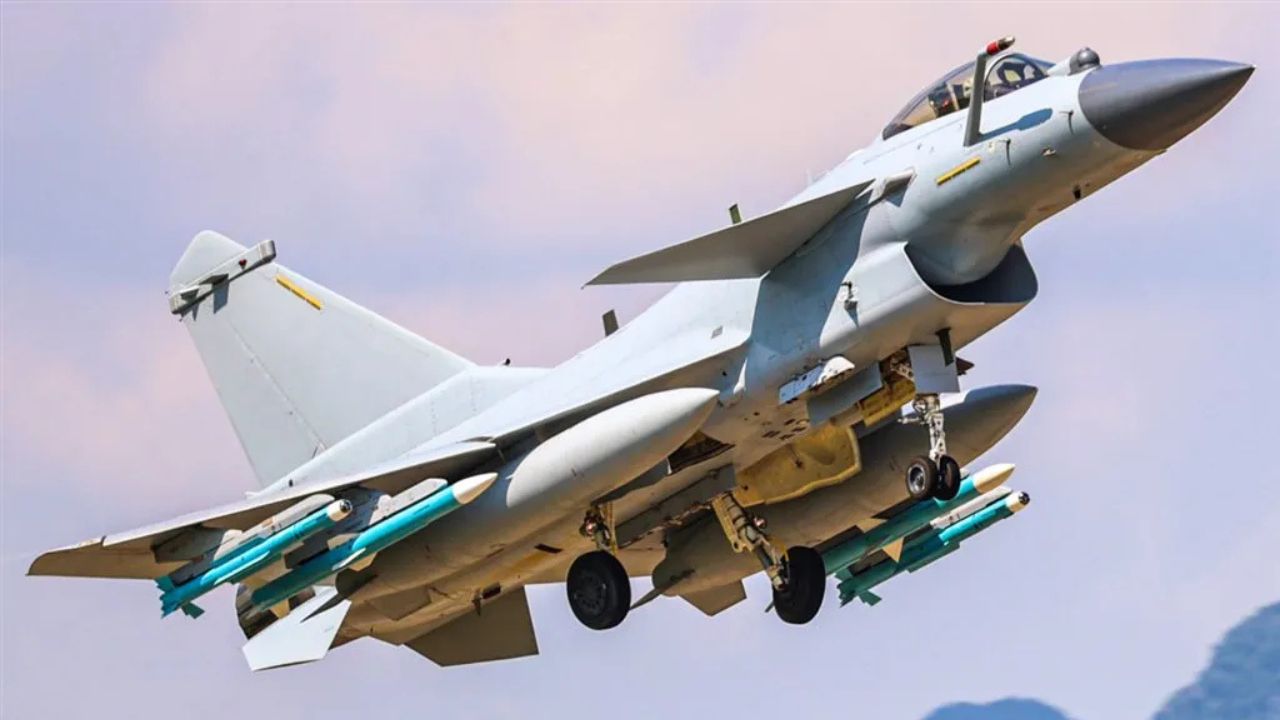

As regional tensions rise, particularly concerning China’s activities in the South China Sea and around Taiwan, the timing of the defense pact is critical. The US has reiterated its commitment to safeguarding its interests in the Indo-Pacific, with Secretary Hegseth signaling a strong stance on maintaining the balance of power in the region.
The agreement follows a series of strategic dialogues, emphasizing the shared vision between the US and India for a free, open, and rules-based global order. This long-term partnership is expected to play a crucial role in countering emerging security challenges and promoting stability in the region.
As the US and India embark on this expanded defense cooperation, international observers will be closely monitoring the impact on the broader geopolitical landscape and regional security dynamics.