
Amid persistent student protests over NEET issue, the Indian government is set to further strengthen legislation aimed at preventing examination paper leaks and cheating.
The Public Examinations (Prevention of Unfair Means) Act, 2024, will be amended to provide the legal framework with “more teeth,” reports NDTV.
A Cabinet meeting scheduled for Friday afternoon is expected to grant approval for these proposed amendments. The revisions are likely to result in a significant increase in both jail terms and monetary fines for those found guilty of paper leak offences.

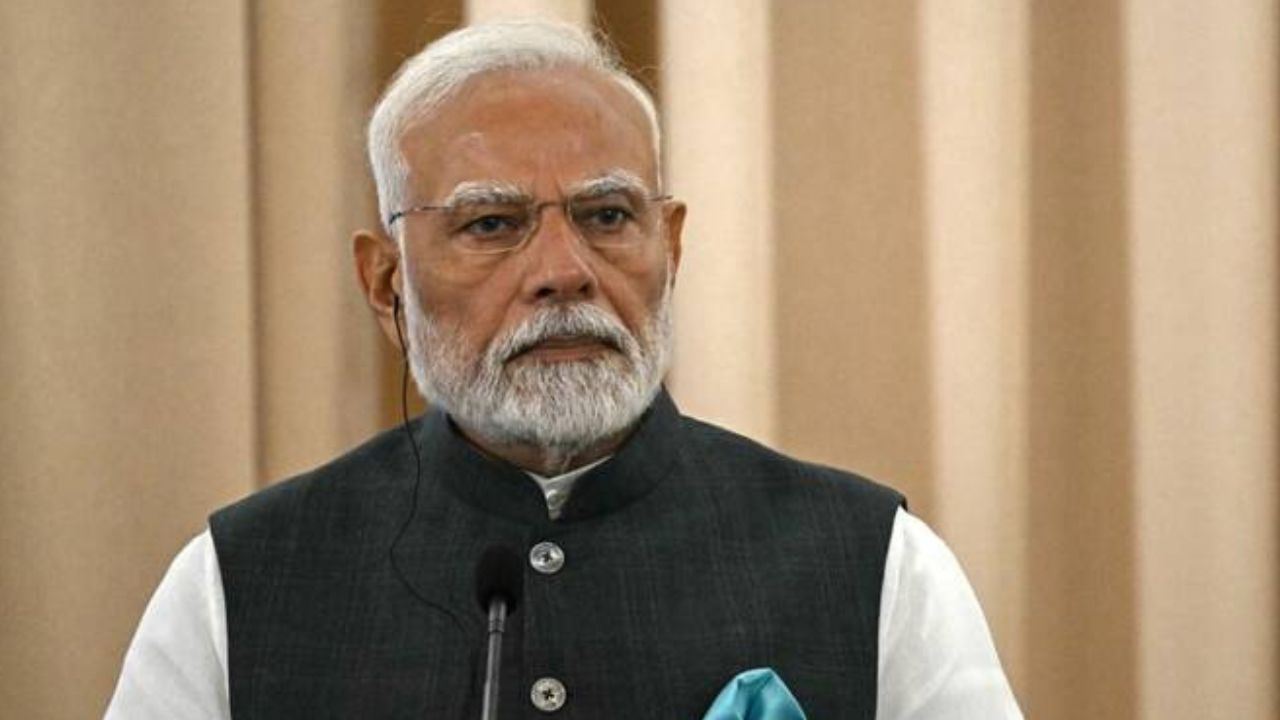
A critical addition to the law will be a provision for the establishment of fast-track courts to ensure the rapid trial of such cases. Prime Minister Narendra Modi confirmed on Thursday that he had directed relevant departments to set up these courts, noting that the initiative received departmental approval late that evening.
Under current regulations, individuals convicted in paper leak cases face between three and five years of imprisonment and a fine of up to Rs10 lakh.




In instances involving organised crime, the penalty increases to five to 10 years in prison with a minimum fine of Rs1 crore. Additionally, service providers who neglect to report potential offences can currently be fined up to Rs1 crore.
Addressing the issue in a video statement, Modi acknowledged that paper leaks are “very painful” for lakhs of students and their families. He emphasised that the government’s priority was ensuring students did not lose an academic year, noting that exams were arranged for at least 22 lakh candidates.
However, Opposition Leader Rahul Gandhi has challenged the government’s record, claiming that 150 paper leaks have occurred over the past decade with zero convictions. Gandhi has also reiterated his demand for the resignation of Education Minister Dharmendra Pradhan.
Following the anticipated Cabinet approval, the Amendment Bill is expected to be tabled in the Lok Sabha on Monday. The government intends to pass the legislation as quickly as possible during the second week of the parliamentary session.