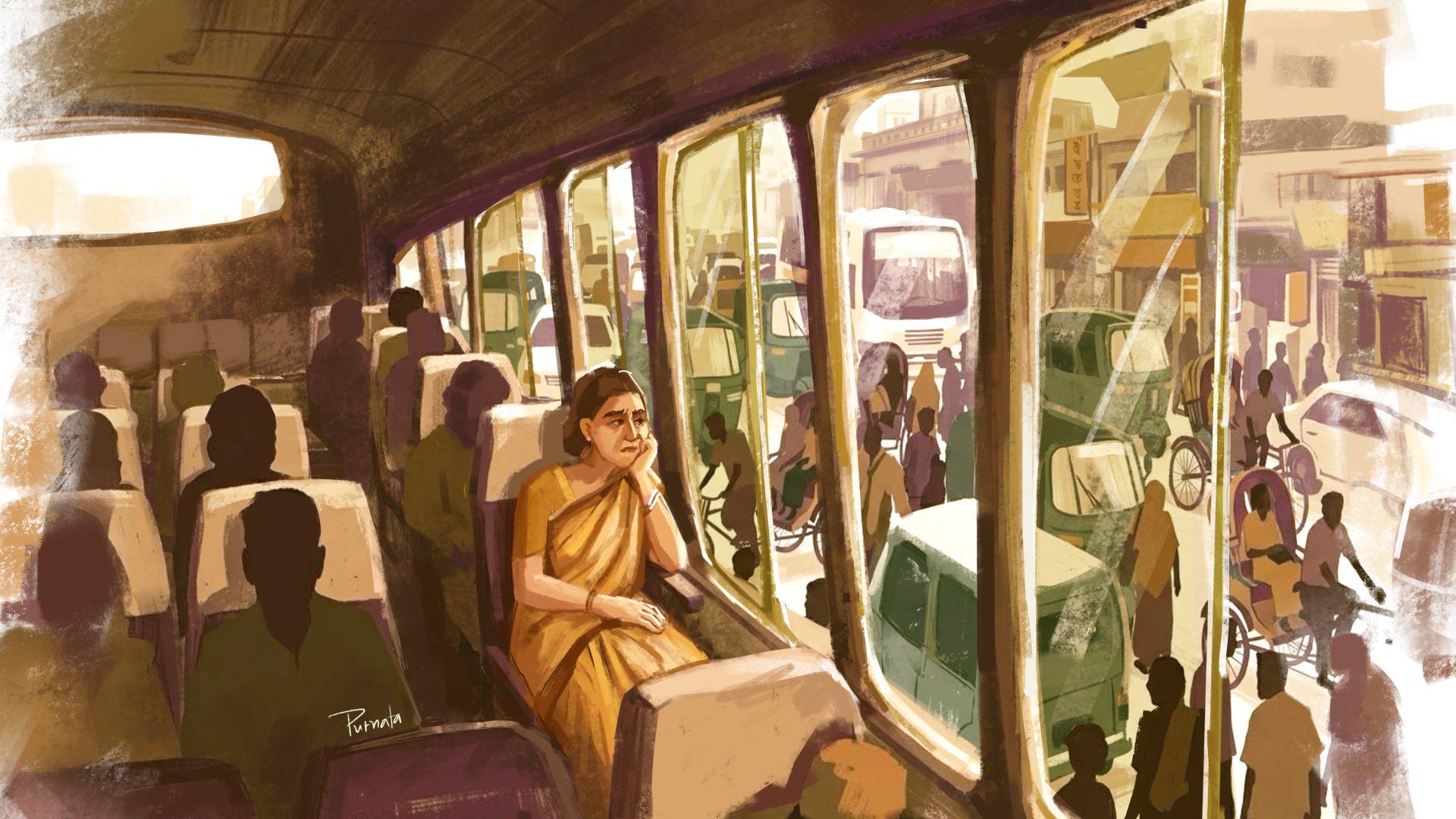
Every year, countless girls around the world hit puberty and, in some cases, motherhood long before their bodies and minds are ready. What seems like just a phase of growing up can have lasting effects on health, education and the rest of their lives. Early puberty and teenage pregnancy are no longer just youth issues. They are serious public health concerns.
Puberty is meant to be a natural process, but many girls today are reaching it earlier. According to the World Health Organization (WHO), girls who experience puberty at a younger age face a higher risk of long-term health problems, including heart disease and stroke.
The effects aren’t just physical. Early maturing girls suffer from anxiety, depression and eating disorders. They may face social pressures to act older than they are. It can lead them to risky behaviours or dropping out of school.
Early childbirth, giving birth before the age of 20, compounds these risks. The WHO reports that millions of women around the world have health problems because of young maternal age. This causes pelvic floor disorders, urinary incontinence and other complications that can persist long after delivery.

Dr Jesmin Sultana Dina, at Shaheed Suhrawardy Medical College, says early childbirth is a reality she witnesses almost every day at her hospital. “In government hospitals, we see a lot of very young mothers, especially from lower socio-economic backgrounds. Many of them become pregnant before they even understand what childbirth means,” she explains.
“I once delivered a baby from a 12-year-old girl. Cases like these are heartbreaking because their bodies are simply not ready.”




Studies published in journals such as The Lancet Global Health highlight that early maternal age significantly increases the likelihood of these adverse outcomes, making early pregnancies a serious public health concern.
“These girls face a much higher chance of miscarriage and excessive bleeding during delivery,” says the doctor. “Their pelvic bones are still developing, which can make normal delivery very difficult and dangerous for both the mother and the baby. So, the rate of intrauterine death (IUD) and maternal mortality during delivery is the highest among these very young mothers.”
The challenges of early puberty and early childbirth are social and cultural as well. Experts say the solution isn’t just better hospitals; it’s education, awareness and community support. Teaching girls about reproductive health, giving them access to contraception and offering counselling can help prevent early pregnancies and manage the effects of early puberty.
Helping young girls isn’t just about the individual. Healthy, educated women raise healthier families, contribute to stronger communities and improve society. When girls are supported to grow at a natural pace, everyone benefits.
Addressing early puberty and teenage pregnancy also means tackling difficult social issues like child marriage, economic hardship and gender discrimination. Policies, programs and community initiatives must work together to create an environment where girls can thrive, not just survive.
Every girl deserves the chance to grow up at her own pace. By giving them the knowledge, care and protection they need, we can turn a global health concern into a story of hope and opportunity.