


Today’s globalised world economy does not have any isolated events that would affect only one region. When a crisis occurs somewhere on our planet, its consequences begin spreading over other continents and transforming economies located far from its source. One possible geopolitical shock in the near future is a naval blockade of the Persian Gulf imposed by the USA. This situation will significantly impact Bangladesh, a developing economy that relies heavily on trade.
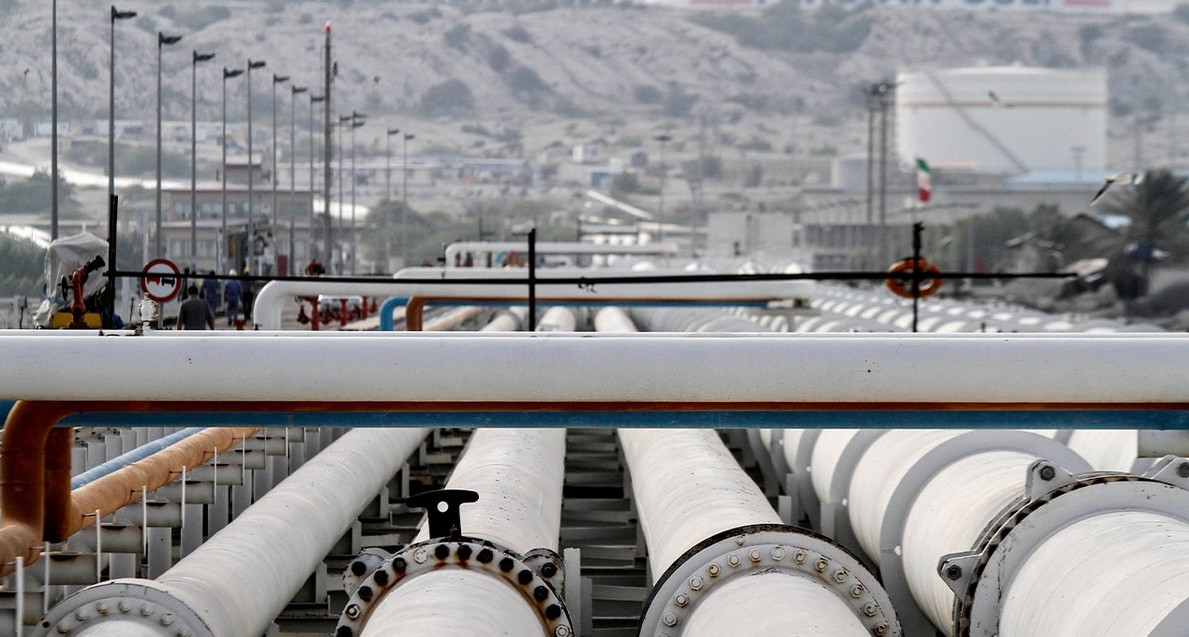
A naval blockade will immediately disrupt international maritime trade in crude oil supplies, or at least significantly increase the risks of delivering this resource. Therefore, a sudden rise in energy prices will be one of the main consequences of the geopolitical shock under discussion.
In turn, such an event will lead to a rapid increase in fuel-delivery costs. It should be noted that energy resources are required almost everywhere, from electricity generation facilities to transportation processes. In other words, this problem will instantly spread over the entire economy of Bangladesh.
As soon as oil prices rise, the prices of fuels consumed in Bangladesh will increase too, and this will result in higher costs for delivering goods and producing various products. It means inflation will inevitably grow, as it has already been one of Bangladesh’s major economic problems in recent years. The impact will be particularly noticeable when discussing food prices, as agricultural production requires substantial fuel. As a result, people will spend more on their daily needs, as food is a priority for many in Bangladesh.

Bangladesh relies heavily on export activities. In this country, the textile industry plays a critical role, generating significant revenue by producing ready-made garments. However, in the event of an oil blockade in the Gulf, global transportation networks will suffer, leading to longer delivery times.
Moreover, fuel costs will rise, increasing export-related expenses. In addition, insurance premiums for maritime transportation may rise due to increased risks. Therefore, such changes in the environment will negatively affect Bangladesh’s competitiveness in the export sector, as this industry already faces high levels of competition. Finally, in the event of economic recessions in destination countries due to high oil prices, demand might fall, leading to fewer exports and lower revenue for Bangladesh.



One of the most important components of Bangladesh’s economy is remittances, with millions working in Gulf countries. From the perspective of short-term gains, an oil price surge related to the blockade can boost their income by increasing oil producers’ profits. However, from the perspective of long-term effects, the situation looks quite different. If this geopolitical shock persists, it will negatively affect investment flows, infrastructure projects, and labour demand. Thus, it can be said that in this case, the current trend might disappear within a very short period of time.
The rise in oil import costs will lead to a decline in foreign exchange reserves. On one hand, the country will need to spend more foreign currency on fuel imports, thereby weakening its balance of payments. On the other hand, if the country receives less money from exports and remittances due to a slowdown in the global economy, its external sector will face serious difficulties as well. As a result, this issue will contribute to the depreciation of the Bangladeshi currency, leading to higher import prices. In this case, policymakers might face a tricky choice between subsidising fuel prices, which could harm the economy, or leaving them unregulated, which could make them even higher. It will negatively impact both manufacturers and consumers, making the situation more complex than ever.
The experience of previous decades shows us what kinds of consequences might result from disruptions in the energy market. The 1970s crisis had a devastating impact on the economies of many developing nations because most countries relied on imported energy sources. Even though the current situation has changed significantly since then, the country’s vulnerability to disruptions of this kind still persists. Similar consequences are possible if oil prices begin to rise. However, the situation might worsen as long as Bangladesh still relies on oil as its primary energy source.
Apart from the above-discussed economic consequences, the geopolitical event mentioned will also influence human lives in many ways. Higher fuel prices will make people spend more money on travelling. Farmers will spend more on buying fertilisers, pesticides, and diesel. Moreover, workers’ wages will not change or may even decrease, while urban citizens will pay more for goods due to higher expenses. All these things indicate the deep connection between the local economy and global politics.
Despite obvious problems and vulnerabilities, such an event provides a great opportunity to make the country more resilient to geopolitical shocks of this kind. For instance, Bangladesh might benefit from investing in liquefied natural gas infrastructure, as this resource is becoming increasingly popular worldwide. Moreover, it is useful to build strategic petroleum reserves, diversify energy sources, and explore alternative trade routes.
A naval blockade of the Gulf region will certainly be a major geopolitical event with far-reaching consequences. From Bangladesh’s economic perspective, this event will reveal many existing vulnerabilities but also provide an opportunity to improve the country’s strategic position. In conclusion, it should be mentioned that the task here is not only to address the current issues but also to prepare for future ones.
The writer is a Professor and former chair, Journalism and Mass Communications, Savannah State University, Georgia, USA