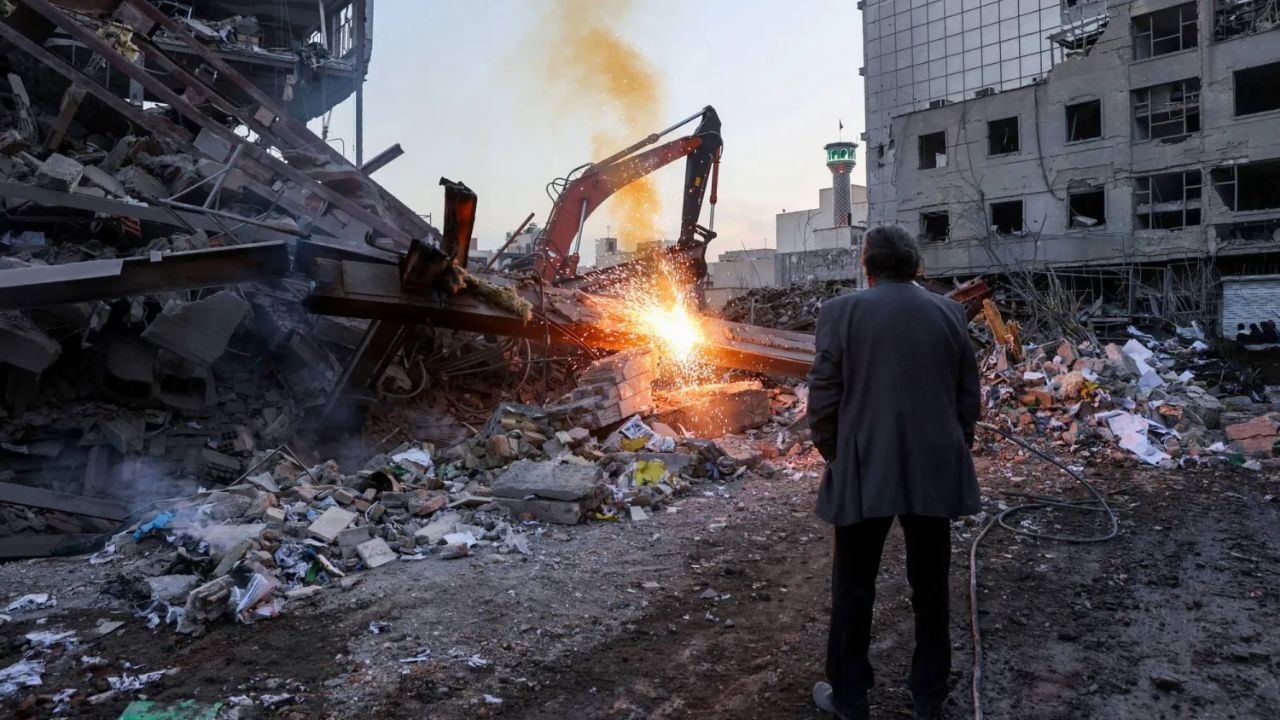



The United States could begin running low on key interceptor missiles within weeks if its military campaign against Iran continues, analysts say, despite President Donald Trump’s assertion that stockpiles are ample, reports Al Jazeera.
Pentagon leaks reported in US media last week suggested that if operations extend beyond 10 days, supplies of some critical munitions may tighten. The Pentagon is also understood to have warned Trump that a prolonged campaign would carry significant risks, including the cost of replenishing weapons inventories already stretched by support for allies.
The United States and Israel launched strikes on Iran on Saturday while negotiations between Washington and Tehran over Iran’s nuclear programme and other issues were still under way. Iran responded with missile and drone attacks across the region, targeting Israel and US military assets in Bahrain, Saudi Arabia, Qatar, the United Arab Emirates and Iraq.
Trump dismissed concerns about shortages, writing on Truth Social that US munitions stockpiles “have never been higher or better” and that the country has a “virtually unlimited supply”. He said the campaign was initially projected to last four to five weeks but could continue longer.
Weapons deployed
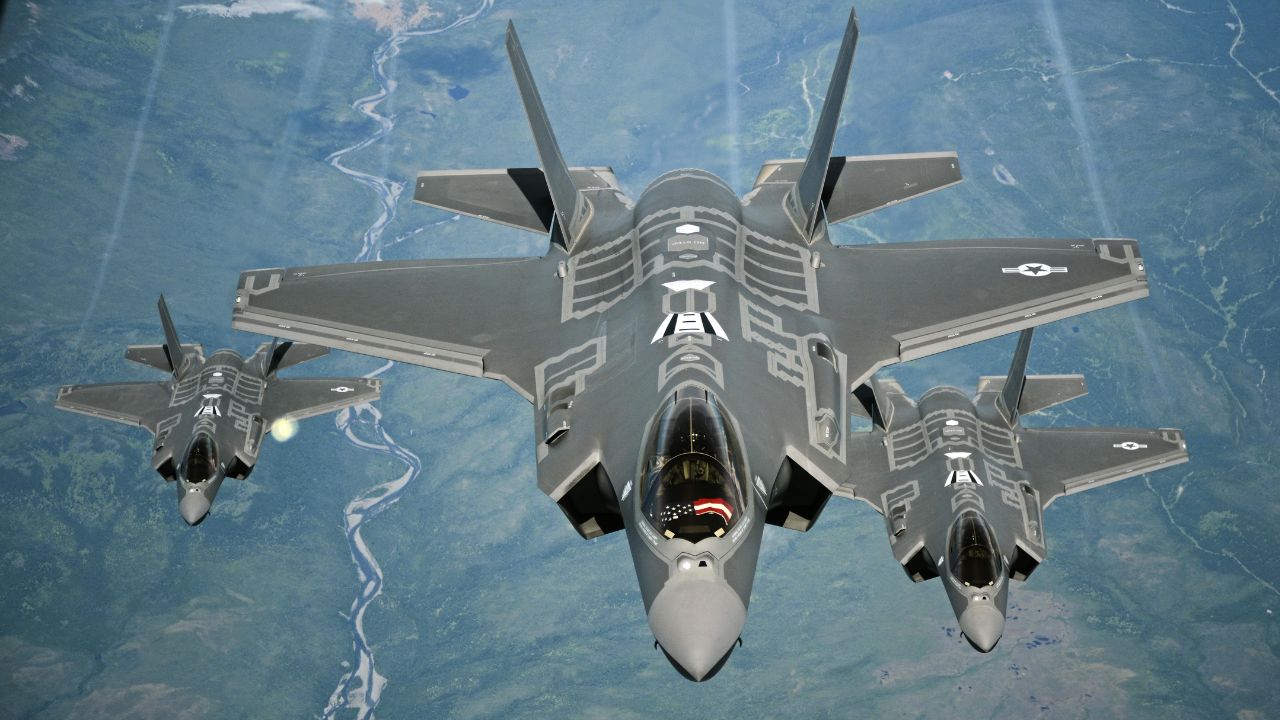
According to US Central Command, more than 20 weapons systems are being used across air, sea, land and missile defence operations. Aircraft include B-1 and B-2 bombers, F-35 Lightning II and F-22 stealth fighters, F-15s and EA-18G Growlers. Drones and long-range strike systems such as MQ-9 Reapers, Low-Cost Unmanned Combat Attack System (LUCAS) one-way drones, HIMARS rocket systems and Tomahawk cruise missiles are also in use.

Air defence assets include Patriot and Terminal High Altitude Area Defense (THAAD) batteries and AWACS aircraft. Two aircraft carriers, the USS Abraham Lincoln and the USS Gerald R Ford, were in the region when strikes began.
The Wall Street Journal reported in February that senior Pentagon officials and General Dan Caine, chairman of the Joint Chiefs of Staff, had warned Trump about the risks of a drawn-out conflict. The Washington Post reported that Caine cited shortages of critical munitions and limited regional support as potential constraints. Trump rejected those reports.
Lessons from 2025
During a 12-day conflict between Iran and Israel from 13 June to 24, 2025, the United States joined Israeli strikes on Iranian nuclear facilities and deployed two THAAD batteries to Israel. US officials later said more than 150 THAAD interceptors were fired to counter Iranian missiles, roughly 25 per cent of the system’s available interceptors, according to media reports.




THAAD, produced by Lockheed Martin, is designed to intercept short-, medium- and intermediate-range ballistic missiles at distances of 150–200 km. A single battery comprises 95 soldiers, six truck-mounted launchers, 48 interceptors, radar and fire-control systems. As of mid-2025, there were nine active THAAD batteries worldwide.
Reports also indicated that large numbers of ship-borne interceptors were depleted during last year’s fighting.
Likely pressure points
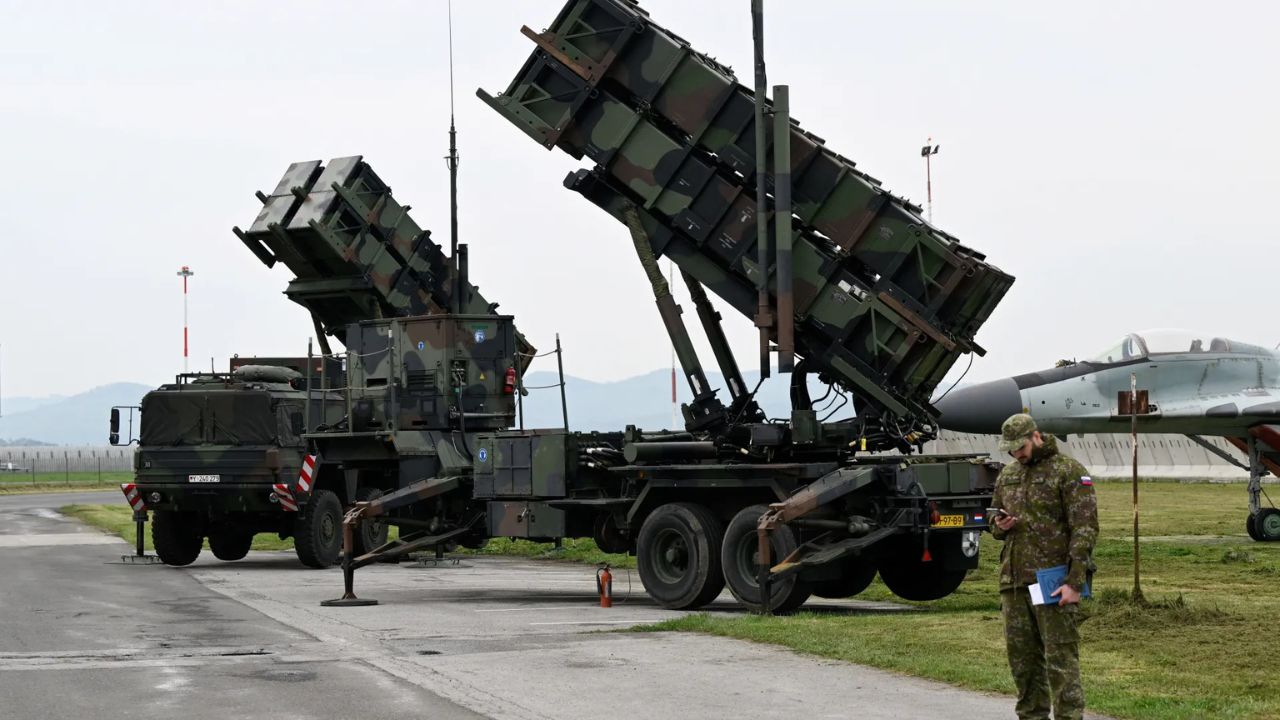
Analysts say any shortages would most likely affect high-end precision munitions and interceptor missiles, including THAAD, Patriot, Standard Missile-3 (SM-3) and SM-6 systems, as well as Joint Direct Attack Munitions (JDAMs), which convert unguided bombs into GPS-guided weapons.
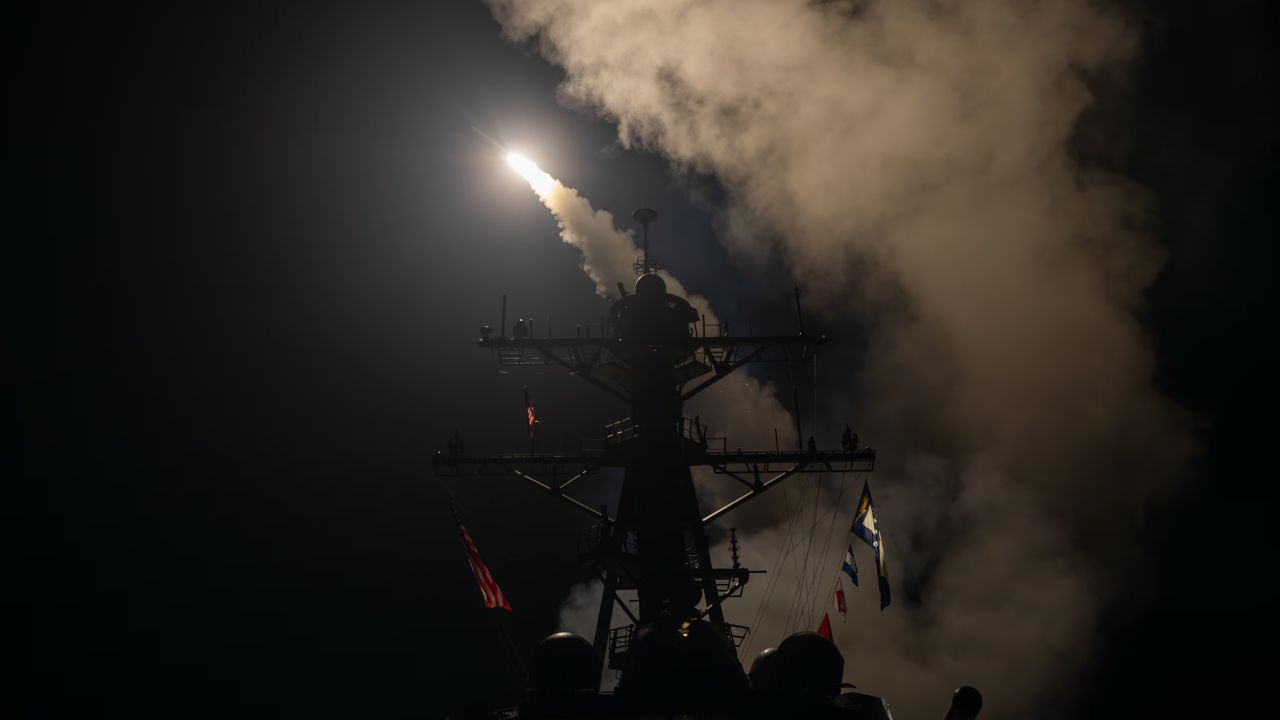
Stocks of SM-3 interceptors, launched from warships, are already under pressure due to slow production, strikes on Yemen’s Houthi forces and previous clashes with Iran. Interceptors and advanced munitions take months to assemble, integrate, test and deploy.
High-end missile defence systems are designed to counter limited, high-intensity attacks, not sustained barrages of lower-cost missiles and drones. Each interception can cost hundreds of thousands or millions of dollars, often to destroy weapons that cost far less to produce.
US Secretary of State Marco Rubio said Iran is producing offensive missiles at a faster rate than the United States and its allies can manufacture interceptors, citing estimates of more than 100 Iranian missiles per month compared with six or seven interceptors.
At least three US jets were shot down in Kuwait on Sunday in what officials described as a friendly-fire incident, adding to equipment losses.
Christopher Preble of the Stimson Centre said the financial burden is manageable given the United States’ trillion-dollar defence budget, but interceptor inventories are finite. He said the current pace of interceptions could not continue indefinitely and possibly not for several weeks.
If stocks diminish, Washington could accelerate production or redeploy interceptors from other theatres, including Ukraine or the Indo-Pacific. However, shifting assets could create vulnerabilities elsewhere.
Cost of war
The Pentagon has not disclosed total costs. Anadolu Agency estimates suggest about $779 million was spent in the first 24 hours of operations, with a further $630 million for the build-up. The Centre for a New American Security estimates operating a carrier strike group such as the USS Gerald R Ford costs about $6.5 million per day.
As operations continue, the balance between battlefield demands and industrial capacity may prove decisive.