Eid ul-Adha, the “Festival of the Sacrifice,” is one of the most significant observances in the Islamic world. Commemorating the Prophet Ibrahim’s willingness to sacrifice his son in obedience to God, the holiday is grounded in a singular, unifying ritual: the qurban (animal sacrifice). Yet, underneath this shared religious foundation lies a vast, colourful mosaic of cultural traditions.
Far from being a localized observance, Eid ul-Adha serves as a profound socio-religious anchor. The event fosters intense family bonding, intergenerational connection, and widespread community charity, acting as a powerful motivator for individuals to immerse themselves in both their faith and their heritage.
The Great Migration and the Market Boom
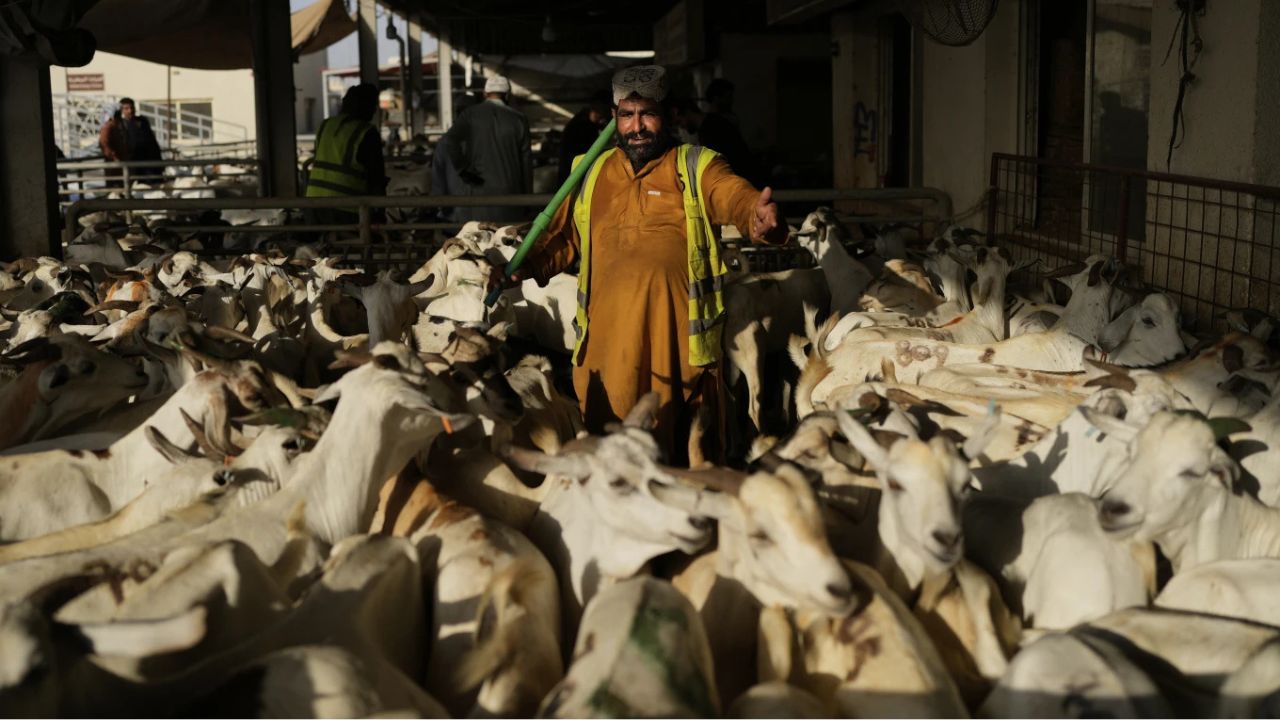
Before the first prayers are even spoken, the holiday transforms both local landscapes and international economies. The logistics of supplying millions of sacrificial animals—primarily sheep, goats, and cattle—create a massive, temporary economic engine.

On a global scale, international agricultural trade shifts dramatically to meet the demand. For instance, live sheep exports to the Middle East and parts of Asia surge aggressively in the weeks leading up to the festival, reflecting the sheer volume of livestock required for families to fulfil their religious obligations.
On a local level, the economic ripple effects are highly visible. In Indonesia, the world’s largest Muslim-majority nation, the holiday significantly alters the urban fabric. In cities like Yogyakarta, roadsides are temporarily converted into bustling livestock markets. Traders who do not typically sell animals year-round set up impromptu stalls to capitalize on the high demand and premium prices, with sheep frequently becoming the most sought-after commodity for urban buyers. These markets become vibrant social hubs where families gather to select their animals, negotiating prices and admiring the livestock in the days preceding the festival.



Celebrating the “Savoury Eid”
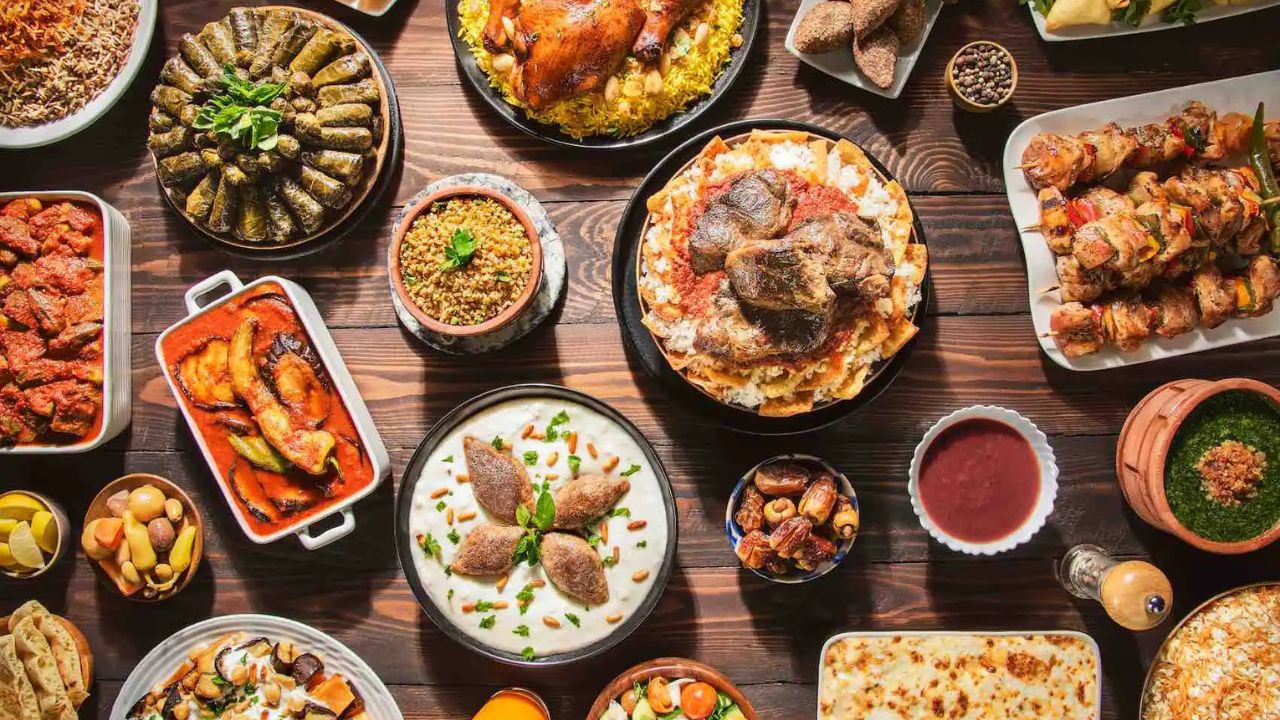
While the earlier festival of Eid ul-Fitr is famous for its sweet delicacies, Eid ul-Adha is undeniably savoury. The consumption of meat is not just a dietary preference; it is the core ritualistic foundation of the holiday itself. The rule of the qurban dictates that the meat is divided into thirds: one for the family, one for friends and relatives, and one for the impoverished.
How that meat is prepared, however, depends entirely on where you are in the world.
In Turkey, the festival is known as Kurban Bayramı. Here, the preparation and consumption of the meat are deeply tied to cultural heritage and social identity. The feast transcends mere nourishment; the act of sharing the freshly prepared meat serves to express gratitude, reinforce a sense of belonging, and strengthen neighbourhood ties.
Across North Africa, the culinary atmosphere is heavily focused on immediate, communal cooking. In countries like Morocco and Tunisia, the holiday prompts massive feasts where grilled lamb is a dominant staple. The freshly slaughtered meat is often prepared and consumed rapidly—frequently grilled at roadside setups or in large family gatherings—cementing the region’s unique dietary traditions associated with the sacrifice.
A Unifying Force
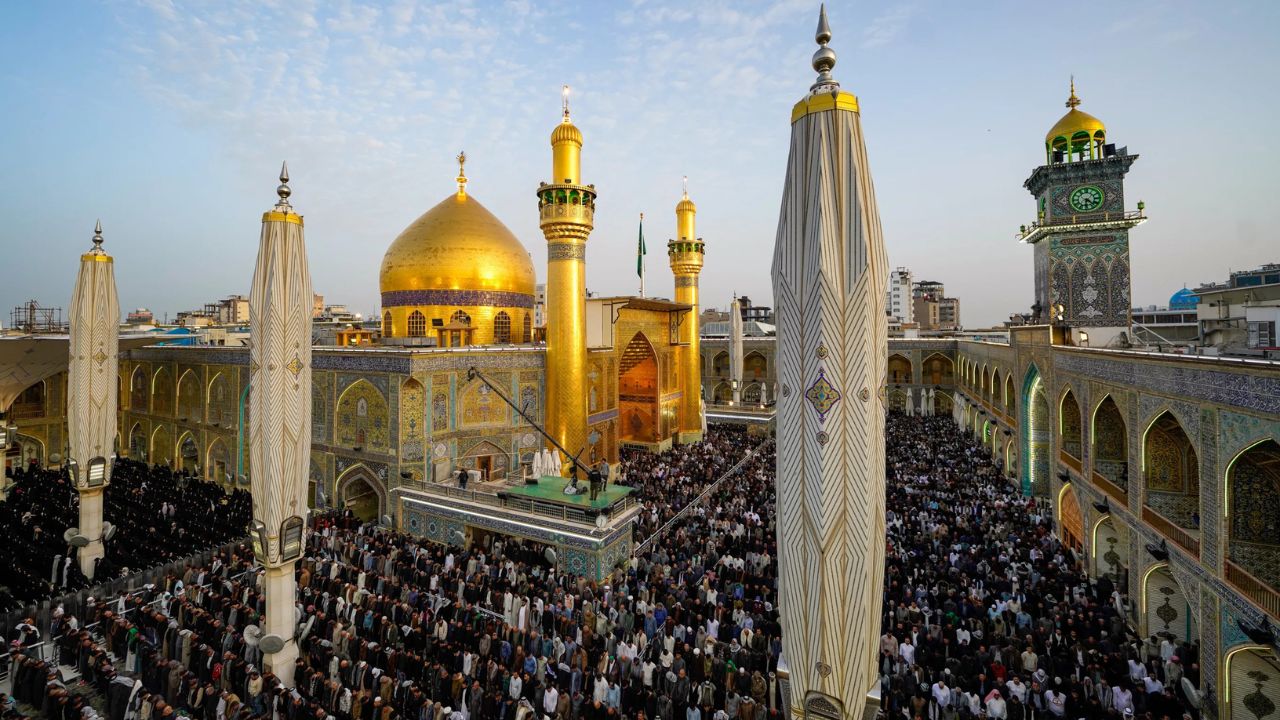
Whether it is the sudden appearance of roadside cattle markets in Southeast Asia or the smell of roasting lamb wafting through North African neighbourhoods, Eid ul-Adha is a masterclass in how a single religious directive adapts to local cultures. It is a holiday that physically moves millions of people and animals, redistributes wealth through mandatory charity, and ultimately brings diverse communities around the globe to the same communal table.