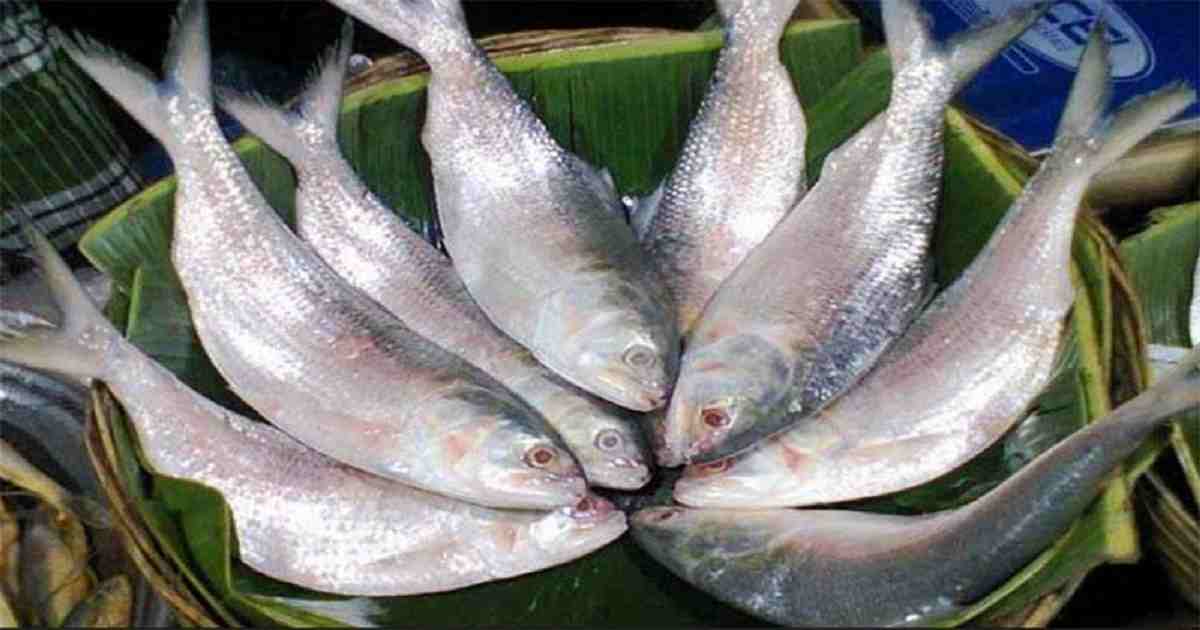

After 21 consecutive years of growth since the 2002-03 fiscal year, Bangladesh’s hilsa production has suffered a major setback for the last two years.
In 2023-24, production fell by 42,000 metric tons (MT) compared to the previous year. The decline continued in 2024-25, with an additional 29,000MT drop. Over the last two years, total production has decreased by 71,000MT, marking the lowest output in eight years.
The Department of Fisheries reports that hilsa production fell from 571,000MT in 2023-24 to 529,000MT. In 2024-25, production further dropped to 500,288MT. While riverine hilsa production rose by 386MT, marine catches plunged by 29,585MT.
Other marine fish also saw decline. Production of poa fish fell from 60,000MT to 34,000MT, while other species dropped from 1,11,000MT to 85,000MT. However, shrimp, sardine, and tuna production increased.

Principal Scientific Officer of the Marine Fisheries Planning and Survey Management Unit, Md Shahed Ali, declined to comment, citing departmental restrictions.
The Times of Bangladesh previously highlighted hilsa in a special series. At the time, Molla Imdadulla, project director of the Hilsa Development and Management Project, stressed the need for government initiatives to conserve marine hilsa.




In 2020, the government launched the Hilsa Development and Management Project with a budget of Tk246.27 crore 53,000, aimed at conserving the national fish and boosting its production. However, official data indicates that hilsa production was higher before the project began than it is now.
Hilsa production first reached 500,000MT in 2017-18, up from 496,000MT in 2016-17. It rose steadily to 517,000MT in 2017-18, 533,000MT in 2018-19, and 550,000MT in 2019-20, just before the project began.
During the first three years of the project, production increased by 15,000MT, 2000MT, and 4000MT respectively. Despite this initial stability, the fourth year saw a fall of 42,000MT, followed by another 29,000MT drop in the fifth year.
Officials attribute the decline to both natural and human factors but stress that efforts continue despite limitations.
Fishermen, trawler owners, and fish traders have long complained that Indian and Myanmar fishers continued catching hilsa during Bangladesh’s fishing ban, even entering Bangladeshi waters. In response, the government deployed 17 naval warships during the 22-day ban in October. Executive magistrates also monitored river areas in Barisal, Shariatpur, and Chandpur.
Farida Akhter, adviser to the Ministry of Fisheries and Livestock, said the government adjusted the ban period this year. Previously, a 65-day ban ran from April; this year, it was reduced to 58 days, aligning with the ban in neighbouring India.
Synchronising the ban across countries would support conservation efforts, she added. She also highlighted planned inspections of factories producing illegal “current nets” to prevent their use.