

The Tejgaon-Banglamotor area boasts Dhaka’s most coveted address: Five-star hotels, glass-clad office towers, and luxury residential high-rises. But hidden right behind this gleaming urban landscape lies a different reality altogether.
Walk behind the Pan Pacific Sonargaon Hotel, and the stench hits you before the filth catches your eye. The smell is so overpowering that pedestrians constantly hold their noses, while nearby residents are forced to seal their windows and doors against the relentless odour.
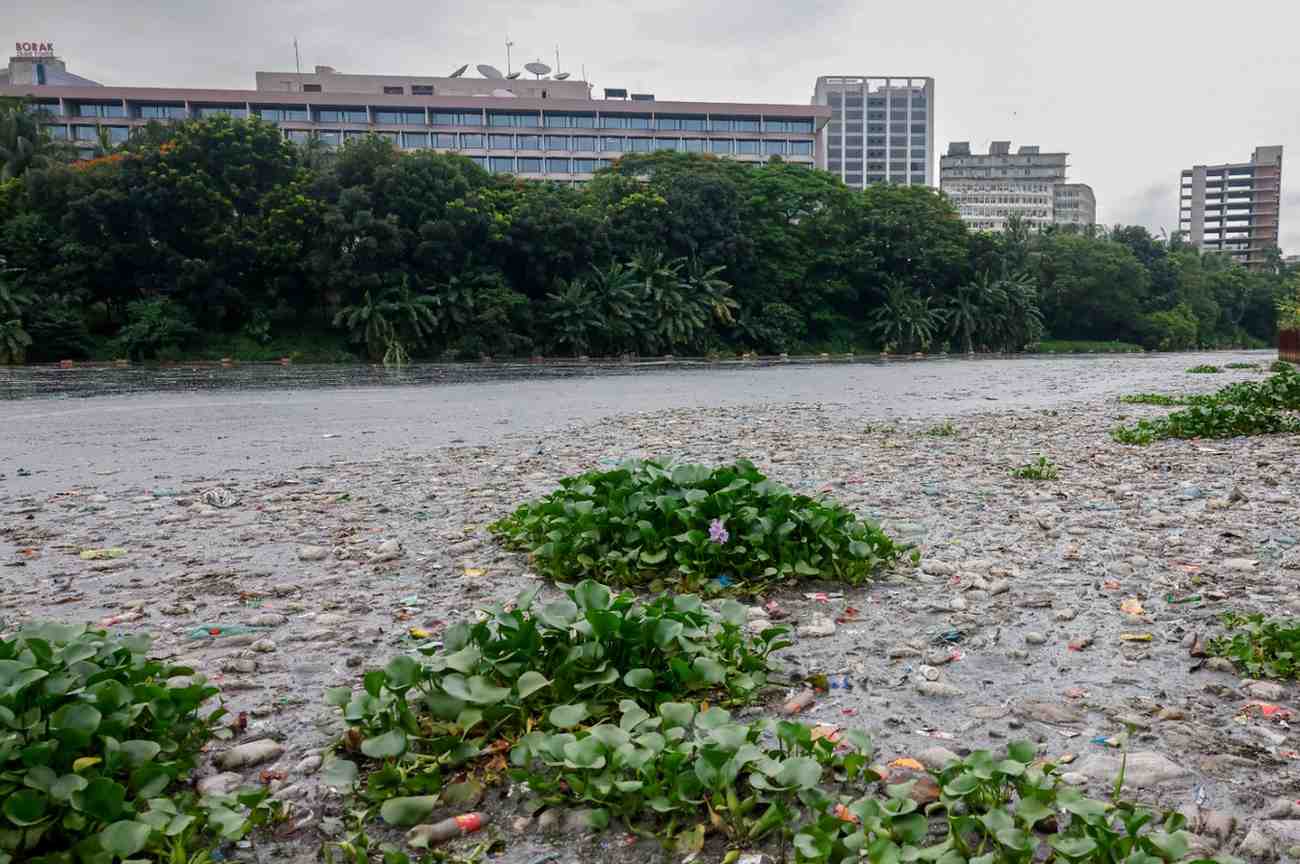
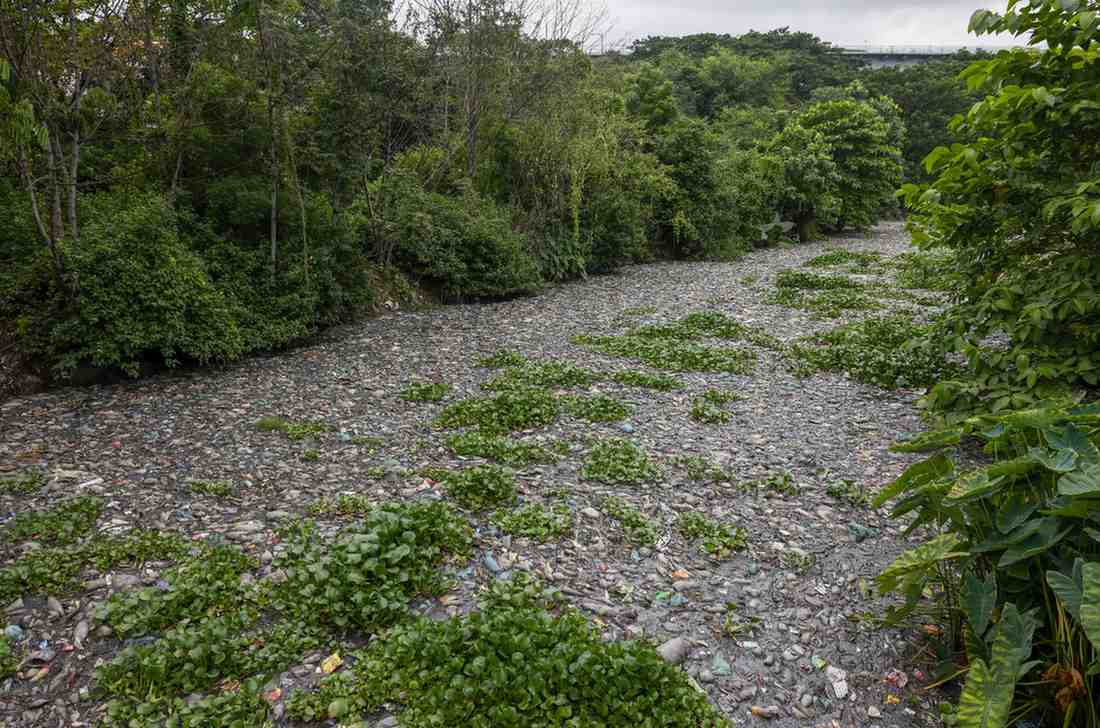
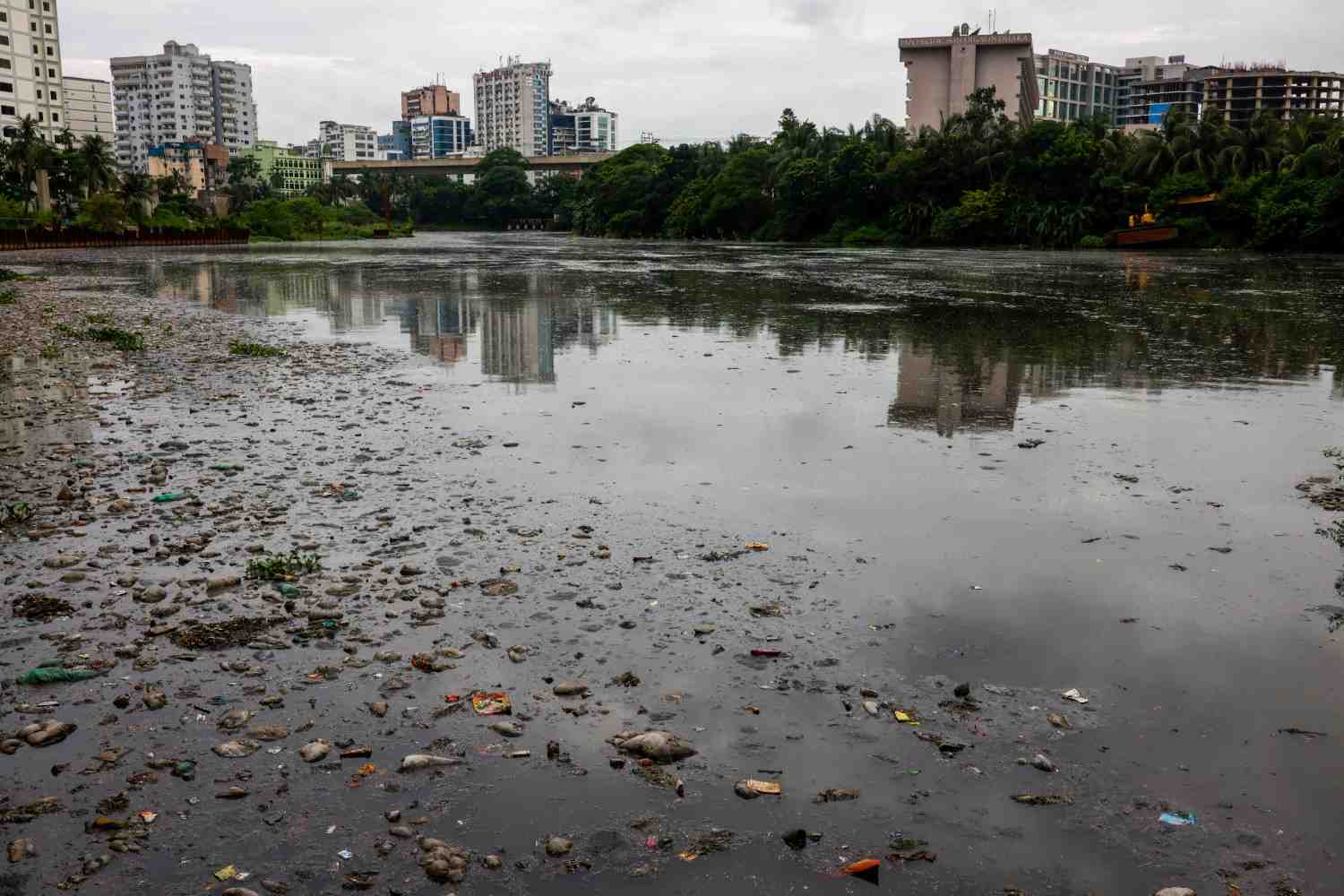
A visit to the site reveals a thick, unbroken carpet of plastic bottles, food wrappers, household waste, and garbage covering the entire waterbody – so dense that in places, the water is barely visible from one bank to the other.

The muddy banks are lined with a grey-white residue, while countless plastic fragments float on the stagnant, murky surface.
During the monsoon, the situation worsens dramatically as garbage from drains and uncontrolled dumping sites washes into the waterways with rainwater.




Talking to TIMES of Bangladesh, Urban planner Adil Muhammad Khan explained the tragedy: “Treated water from drain outlets is supposed to enter the lake through treatment plants. But due to irregularities, untreated waste has entered the lake instead. Such a beautiful place has suffered because it was not given enough importance.”
RAJUK, responsible for maintaining Hatirjheel, admits that water from over 680 drains flows into the lake. Despite restrictions, people regularly dump garbage, polythene, and even industrial waste into the water. The decomposing waste generates methane gas, spreading the unbearable stench.
In the 2024-2025 period, a two-year contract of Tk1.80 crore was awarded to a contractor to keep the lake clean – yet no visible progress has been observed.
Executive Supervisory Engineer of the Hatirjheel project, Sabbir Bin Taher, acknowledged maintenance constraints: “The chemicals needed for water treatment ran out almost a year ago. Currently, the remaining small stock from before 2021 is being used only once a year, which is by no means sufficient.”
Hatirjheel’s forgotten waterbody serves as a painful reminder that progress means little when the city’s lungs are left to choke.