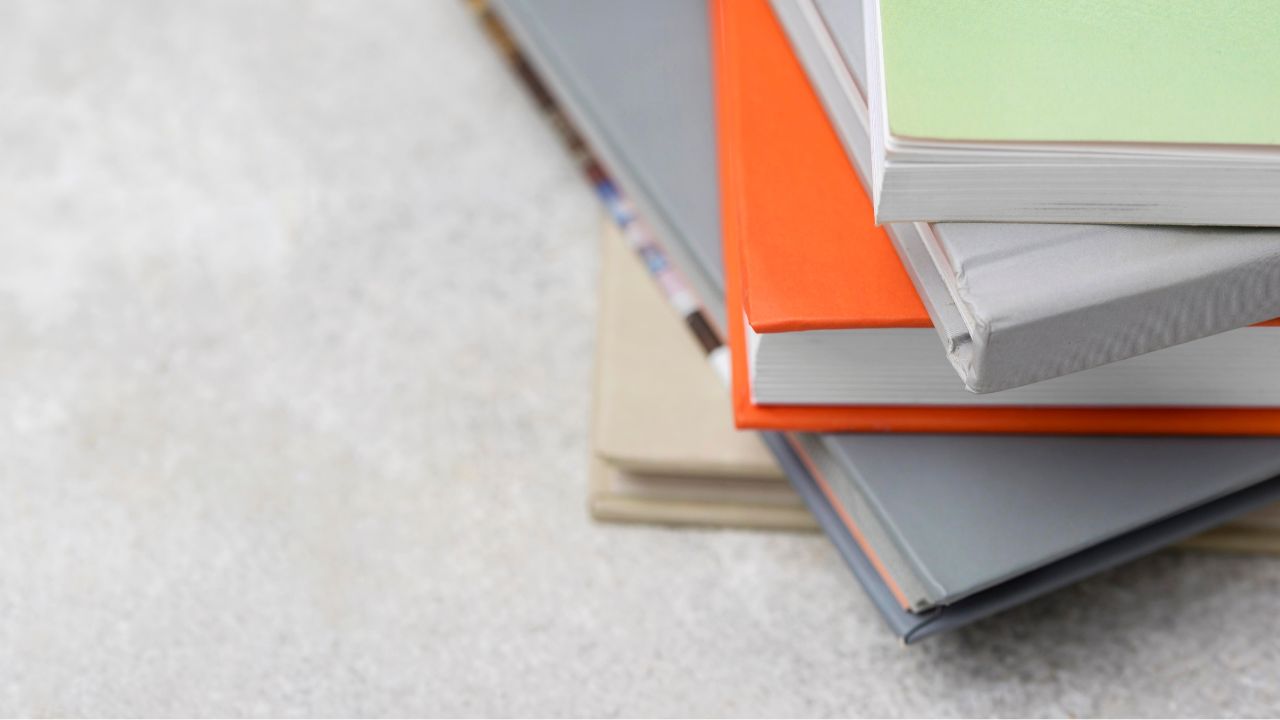

With less than two weeks to go before the country’s annual New Year book festival, serious uncertainty surrounds the distribution of secondary school textbooks, as more than half of the required books have yet to be printed, raising concerns over delays and declining print quality.
According to the latest figures from the National Curriculum and Textbook Board (NCTB) dated 16 December, a total of 214.3 million textbooks are scheduled for students from classes six to nine for the 2026 academic year. However, only 107.4 million copies—roughly half of the target—have so far been printed and bound.
Even fewer books have reached distribution points. Just 70.9 million copies, or 33 percent of the total requirement, have been delivered to district and upazila-level centres, casting doubt on whether all secondary students will receive textbooks on 1 January.
NCTB’s distribution controller, Md Motiur Rahman Khan Pathan, told TIMES of Bangladesh that authorities were making “every possible effort” to ensure delivery by 28 December, but declined to elaborate further on contingency plans if the deadline is missed.

Sources within NCTB paint a bleaker picture. A printing press owner, speaking on condition of anonymity, said the printing work for secondary textbooks began “dangerously late” and warned that meeting the January deadline would be nearly impossible.
“Rushing production at this stage also risks compromising paper, binding and print quality,” he said.


NCTB officials acknowledge that while printing of Ebtedayi (primary religious) textbooks has been completed and classes nine and ten are nearing completion, printing for classes six, seven and eight—which together account for more than 126 million books—is still ongoing.
Publishers involved in producing textbooks for these three classes reportedly accepted contracts at around 30 percent below market rates, fuelling fears that cost-cutting may lead to substandard materials.
NCTB sources say the delays stem partly from administrative failures. Although tenders were floated on time, the Ministry of Education cancelled bids for three secondary grades, stalling the process. Approval from the government’s procurement advisory committee also took longer than expected. Several contractors awarded the work have previously faced allegations of supplying low-quality textbooks.
Primary-level textbooks ready for New Year distribution
In contrast, primary-level textbooks appear on track. NCTB has printed 85.9 million books for pre-primary to class five students, all of which have already reached upazila education offices.
NCTB’s production controller, Mohammad Abu Nasher Tuku, said primary students would receive their books on the first day of the year, adding that parents would also be given a newly prepared guidance booklet.
Local education officials in Teknaf, Cox’s Bazar, and Atwari, Panchagarh, confirmed that primary textbooks had arrived and that preparations were underway to ensure distribution on 1 January.
The stark contrast between primary and secondary preparedness has renewed criticism of government oversight, particularly in managing large-scale procurement and ensuring quality control. With the New Year approaching fast, millions of secondary students now face the prospect of beginning the academic year without textbooks—or with books of questionable quality.