This year’s Hajj begins today (26 May), drawing hundreds of thousands of Muslim pilgrims to Mecca despite regional tensions, airspace restrictions and sharply rising travel costs across the Middle East.
Saudi authorities said around 1.5 million pilgrims have already arrived in the kingdom for the annual pilgrimage. Last year, total Hajj attendance reached 1,673,320, including more than 1.5 million pilgrims from outside Saudi Arabia.
Hajj, one of the five pillars of Islam, is a religious obligation for Muslims who are physically and financially able to undertake the journey at least once in their lifetime. For many families, particularly in the Global South, the pilgrimage represents decades of savings and years on waiting lists.
This year’s pilgrimage comes against the backdrop of heightened instability in the Middle East following Iranian strikes on targets in Saudi Arabia and neighbouring Gulf states after the United States and Israel launched attacks on Iran in late February.
Although an uneasy ceasefire has largely held since April, negotiations between Washington and Tehran have yet to produce a breakthrough, leaving tensions simmering across the region.

Amid the uncertainty, the US Embassy in Riyadh last month advised American citizens to reconsider participating in Hajj because of security concerns and possible travel disruptions.
“Due to the ongoing security situation and intermittent travel disruptions, we advise reconsidering participation in Hajj this year,” the embassy said in a statement.
Iran’s state news agency IRNA reported that just over 30,000 Iranian pilgrims travelled to Saudi Arabia this year, far below the expected 86,700, citing the “wartime situation”.



Commercial airlines across the Gulf have been forced to reroute flights because of airspace restrictions and fears of further escalation, resulting in delays and higher airfares.
Travel operators in several countries said Hajj package prices have surged in recent weeks due to increased fuel costs and longer flight routes.
“Every day the situation changes,” a Jordan-based Hajj organiser said, requesting anonymity because of the sensitivity of the issue.
Some countries with large Muslim populations have already passed the additional costs on to pilgrims. India imposed an extra 10,000 rupees (about $105) on Hajj packages, while Indonesia — home to the world’s largest Muslim population — said it would absorb the increased expenses.
Saudi authorities are also seeking to ensure that regional conflicts do not spill over into the religious gathering.
Saudi Arabia has been very keen to depoliticise Hajj in every manner, whether it is about political activities or sloganeering during the pilgrimage.
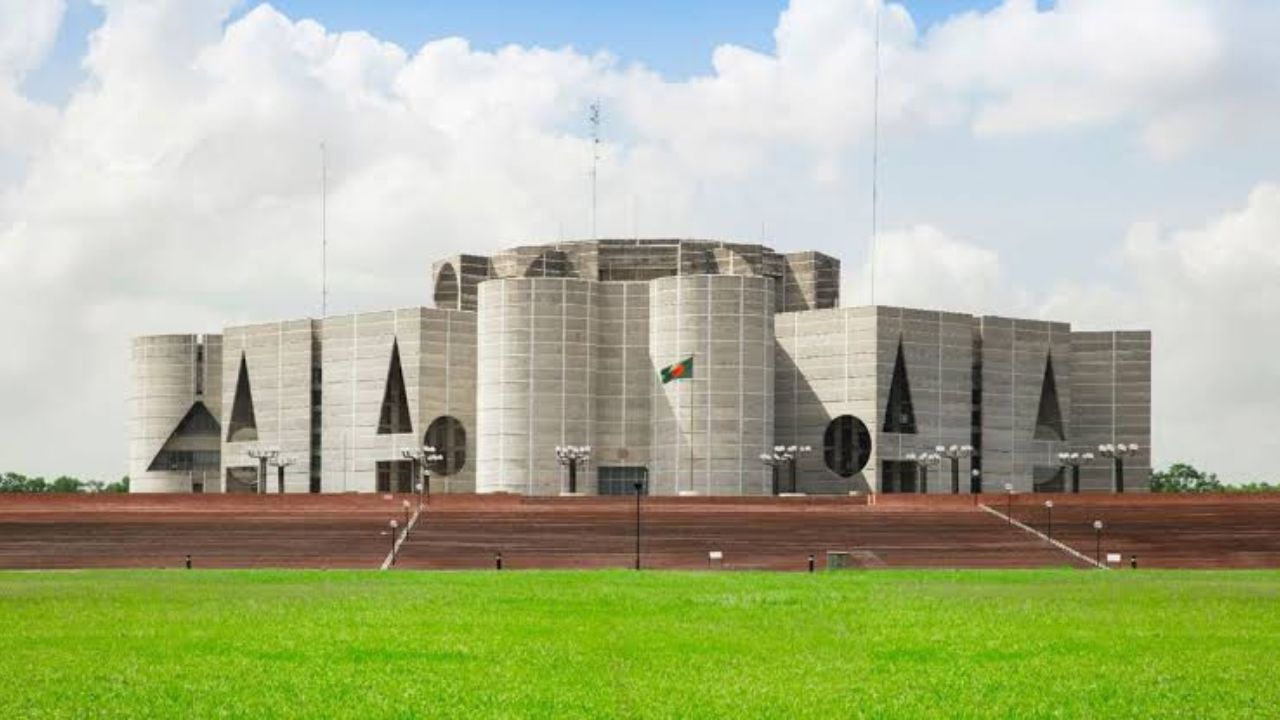
A total of 77,432 Bangladeshi pilgrims have reached Saudi Arabia on 199 pre-Hajj flights to perform the pilgrimage this year.
Of them, 4,464 travelled under government management, while the rest went through private arrangements, according to Md Lokman Hossain, director of the Bangladesh Hajj Office.
He said 660 agencies were involved in Hajj management under the private sector, including 30 lead agencies and 630 coordinating agencies.
Bangladeshi pilgrims are scheduled to begin returning home from 30 May, with the final return flight set for 30 June.