“Babu selam bare bar, amar naam Goya Baidya, babu bari Poddar par” (Salutations, sir, my name is Goya Baidya, my home is on the banks of Padma). This traditional song, long synonymous with the nomadic Bedey community, is increasingly becoming a relic of the past as the community undergoes a profound transformation in Madaripur.
Across the district’s five upazilas – Madaripur Sadar, Kalkini, Dasar, Rajoir, and Shibchar – the familiar sight of Bedey people is changing. Once defined by a life afloat, many are now ending their “life on the water” and settling permanently on land.
A settlement on old road
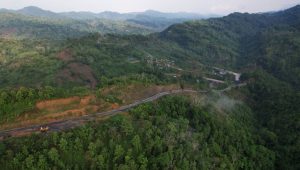
In Madborerchar area of Shibchar upazila, located near Dhaka-Bhanga Expressway, at least 50 families comprising approximately 250 members have established a permanent colony.
They have lived on the abandoned Bakherkandi-Kawrakandi road for the last 15 to 20 years. What began as humble shanties has evolved; as financial stability grows, many are now constructing larger, more permanent homes.

Dayal Sardar, a leader (Kopila) of the community, explained that environmental changes forced their hand. “The rivers are drying up day by day. It is no longer possible to go everywhere by boat,” he said.
Having arrived in Shibchar by boat two decades ago, his family never returned to the water. “Life here is quite modern. Many of us have become registered voters, and some have even married into the local community”.




New professions for a new era
The shift is not just geographical but professional. The traditional occupations of snake catching and snake charming are being replaced by mainstream labour. Bedey youths are now seen driving battery-run vans, selling ice cream or scrap materials (bhangari), and working as masons.
Joshna Begum, another community leader, noted that traditional practices like cupping (singa) and the sale of herbal medicines for joint pain are no longer viable.
“In this modern age, people no longer believe in these things or in exorcism (jhaphun),” she remarked.
While some women still visit villages to trade, their numbers are dwindling, and some have been forced to turn to begging to supplement their income as they transition between livelihoods.
Integration through education
A pivotal element of this transition is the focus on the next generation. Unlike previous generations who lacked access to education, Bedey children are now attending local primary schools and madrasas.
Soleman Madbor, a resident of Madborerchar, observed that while the community still maintains its internal Sardar system, they are becoming indistinguishable from the general population.
“They are working hard for economic prosperity and trying to establish themselves as part of the mainstream population,” he said.