


Business leaders urged the Bangladesh Nationalist Party (BNP), after its absolute majority in the national elections, to slash bureaucracy, lower financing costs and stabilise policies to revive investment and safeguard post-LDC competitiveness.
Starting a new industrial venture requires 36 documents and multiple licences, often involving visits to several offices and informal payments, industry representatives said, adding that excessive procedures and tax pressures are raising costs.
Entrepreneurs said unnecessary taxes imposed by the National Board of Revenue (NBR) and administrative delays are discouraging new investment and slowing industrial expansion.
With Bangladesh preparing to graduate from Least Developed Country status, industry leaders said structural hurdles must be removed, policies streamlined and infrastructure modernised to retain global competitiveness.
High bank lending rates remain a central concern.
Entrepreneurs said interest rates of up to 14 per cent are inflating production costs and weakening competitiveness against rival sourcing nations.
Premier Cement Managing Director Mohammad Amirul Haque said businesses require clear policy backing and removal of administrative barriers to operate effectively.

“Although several reforms have been introduced over the past one and a half years, bureaucratic complexities remain unresolved,” Haque said.
“Bangladesh cannot move forward under the current bureaucratic system. The overall cost of doing business must come down,” he said.
“At this rate, new investment will not take place,” he added, referring to 14 per cent lending rates.
Energy security is fundamental for industrial growth, he said.
“There can be no industry without energy, and without new investment there will be no employment,” Haque said, adding that maintaining law and order is crucial for investor confidence.




Exporters said lead time has become critical for securing international orders.
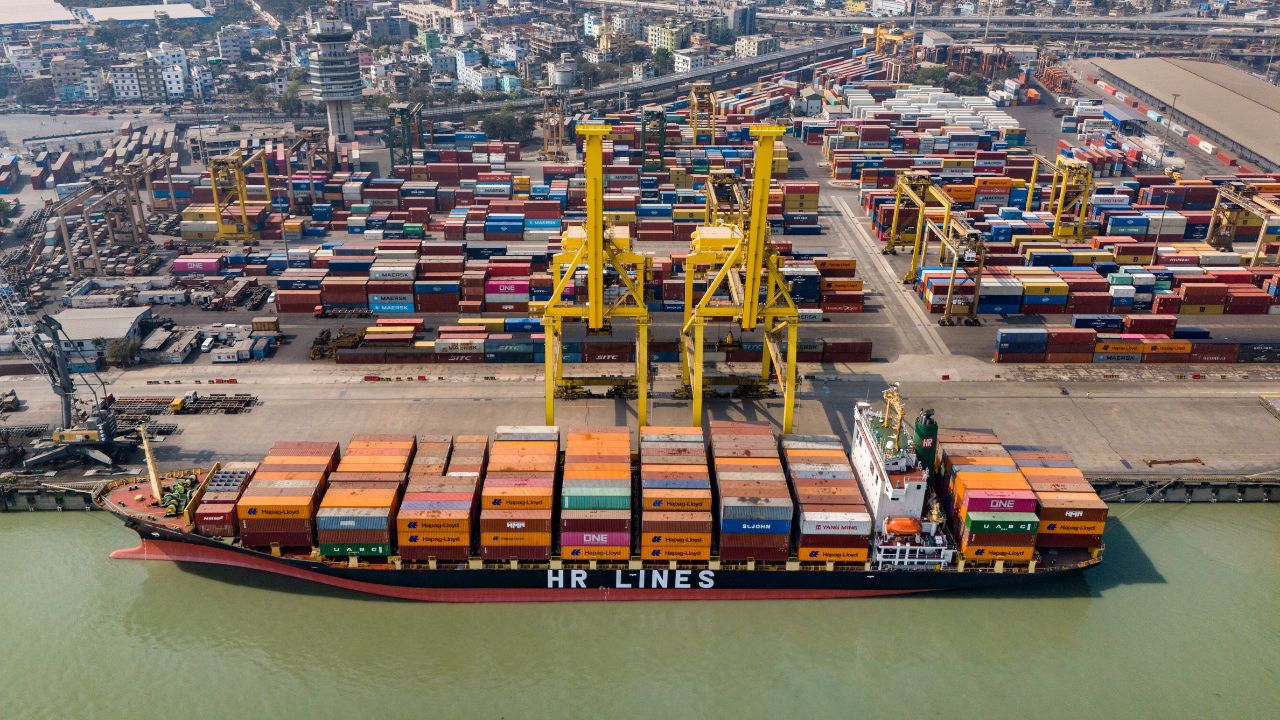
Delays in customs clearance, congestion at Chattogram Port and inefficiencies in cargo handling have affected Bangladesh’s reputation as a reliable sourcing destination.
Bangladesh Shipping Agents Association Past Director and Interport Group Managing Director Tanjil Ahmed Ruhullah called for full digitalisation of port and customs operations.
He said reforms are needed to eliminate hidden costs, dismantle facilitation-payment culture and establish predictable, rule-based port governance.
Strategic investment in deep-sea port infrastructure, logistics connectivity and Blue Economy initiatives is essential as Bangladesh approaches LDC graduation, Ruhullah added.
BGMEA Director and Asian Group Deputy Managing Director Sakeef Ahmed Salam said efficient port operations are vital for export competitiveness.
He called for faster customs clearance, reduced port congestion and improved cargo-handling systems.
As Bangladesh transitions out of LDC status, exporters are concerned about potential loss of duty-free access, Salam said.
He stressed the importance of negotiating a Free Trade Agreement with the European Union to preserve tariff benefits and provide long-term certainty.
Entrepreneurs also urged expansion of bonded warehouse facilities to include non-traditional raw materials, including US cotton.
“Broader bonded facilities would enhance sourcing flexibility and strengthen competitiveness in high-value apparel and textile segments,” Salam said.
Businesses are also seeking low-cost, long-term financing to invest in green factories, renewable energy and compliance improvements as global buyers demand environmentally compliant production.
Predictable policies, faster approvals and reduced bureaucracy remain top priorities, business leaders said.
Traders raised concerns over Advance Income Tax (AIT), saying substantial sums remain tied up with the government after tax adjustments, limiting reinvestment capacity.
Reliance Can Industries Managing Director Ekramul Haque said the economic condition of businesses is fragile.
“In the name of boosting revenue collection, various unnecessary taxes are being imposed on the business community. Rising commodity prices are also putting pressure on production,” Haque said.
“If businesses are allowed to grow, government revenue will increase naturally,” he added.
Haque said the BNP had not always ensured a supportive environment in the past but expressed hope the party would take effective measures to restore a conducive climate for trade and industry.