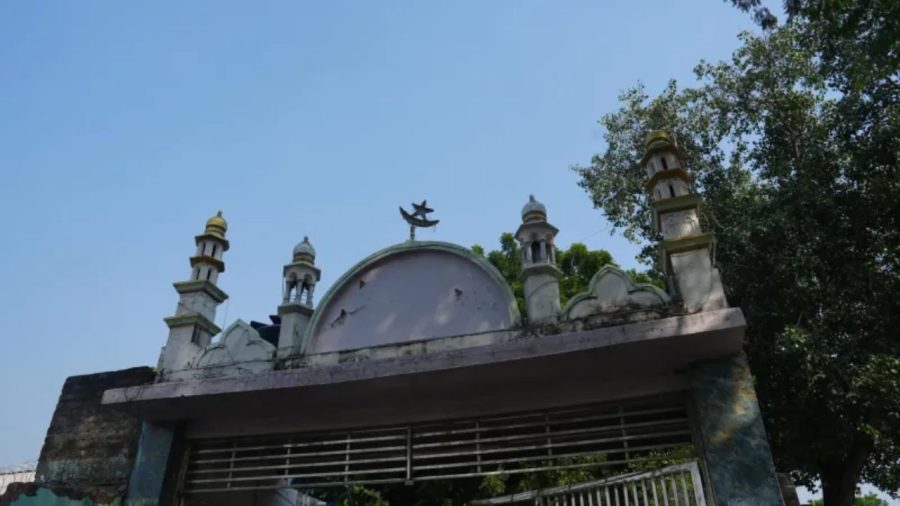



Concerns over the possible demolition of a century-old mosque near Indian Prime Minister Narendra Modi’s official residence in New Delhi have intensified after authorities issued an eviction notice, prompting Muslim organisations to seek legal and government intervention.
The federal Land and Development Office (L&DO) reportedly served a six-day eviction notice on the Race Course Mosque on 19 October.
The mosque’s water and electricity supplies had already been disconnected on 7 October, according to media reports.
The mosque is situated within the Race Course Club, a sprawling complex covering around 53 acres near Modi’s official residence at 7, Lok Kalyan Marg in New Delhi.
The notice has triggered concern among Muslim leaders, academics and community organisations, amid fears that the historic place of worship could be demolished.
In a video statement, the mosque’s imam, Maulana Mohammad Haroon, said authorities had given the mosque less than a week to vacate the premises.
“The authorities came and suddenly told us we had less than a week to clear out a structure that has stood for generations,” he said.

Haroon, who said he had been associated with the mosque for nearly 40 years, also expressed concern over the disconnection of essential utilities.
“Even drinking water has been stopped. By cutting off light and water, they are forcing people away from a sacred place of worship before the legal timeline has even expired,” he added.
The dispute centres on the ownership and legal status of the land. The L&DO maintains that the mosque stands on government land, while members of the Muslim community argue that it is Waqf property, meaning land or buildings dedicated under Islamic law for religious or charitable purposes.
Waqf boards manage such properties across India on behalf of Muslim communities.
According to the independent news website The Wire, the mosque’s land status and heritage recognition have become central issues in the dispute over the eviction notice.



The Delhi Waqf Board has challenged the eviction order, arguing that the mosque and its adjoining graveyard were recognised as protected religious endowment property in a Delhi Administration Gazette notification dated 8 September, 1977.
The mosque was also designated a Grade II heritage structure in 2009.
High Court declines to restore utilities
The Delhi High Court on 15 October declined to order the restoration of electricity and water connections to the mosque after the supplies were disconnected on 7 October.
The mosque and its adjoining graveyard are located behind Safdarjung Tomb in New Delhi.
The Race Course Club premises and nearby slum settlements have been involved in several rounds of litigation over eviction. The central government has cited national security concerns in seeking possession of the area.
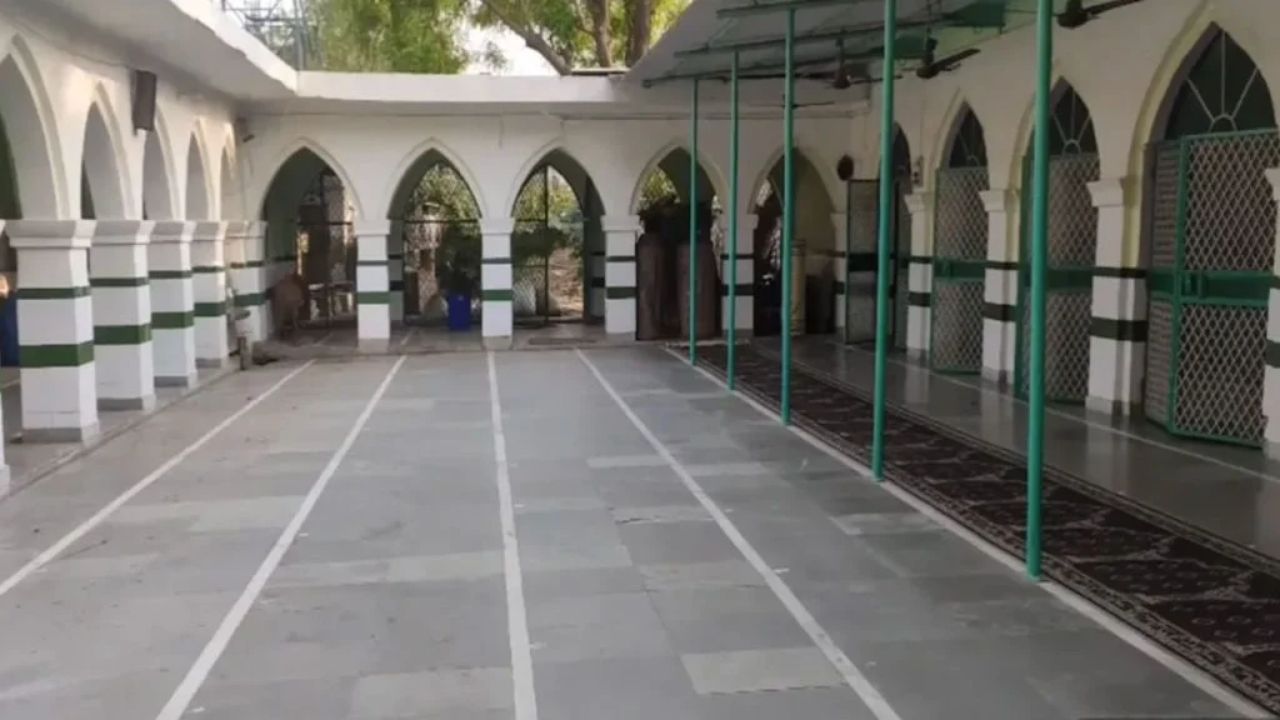
Muslim organisations seek government intervention
Jamiat Ulama-i-Hind, an organisation representing Muslim religious groups, has approached the Delhi High Court over the prospect of the mosque’s demolition.
The organisation has also sought the intervention of Union Minister for Minority Affairs Kiren Rijiju to protect the mosque and the adjoining graveyard.
A delegation led by its general secretary, Maulana Mohammad Hakimuddin Qasmi, submitted a memorandum requesting the minister’s intervention, according to a report by The Tribune.
The eviction notice has also drawn criticism from academics concerned about the broader implications for religious minorities and constitutional protections in India.
Sabur Ali M, an academic in the University of Delhi’s Department of Political Science, told UCA News that the government led by the Bharatiya Janata Party (BJP), which promotes a Hindu nationalist political agenda, turns to controversies involving religious identity when facing political difficulties.
He suggested that such disputes could divert public attention from questions about government actions.
Ali was referring to ongoing protests across India over alleged irregularities in a large-scale revision of electoral rolls. The protests began on 2 October, with demonstrators demanding the resignation of Chief Election Commissioner Gyanesh Kumar over concerns that the revision had removed millions of names from voter lists, disproportionately affecting Muslims.
Ali warned that the consequences extended beyond the rights of any single religious community.
He said the situation could also threaten the rule of law, democracy, India’s constitutional future and the country’s overall development.
Wider concerns over demolitions of Muslim sites
The dispute over the Race Course Mosque comes amid broader concerns about the removal and demolition of Muslim religious sites in India.
Data compiled by Millat Times, a rights watchdog, showed that 2,166 administrative operations involving forced evictions, partial clearances and demolitions targeted Islamic shrines, educational institutions and places of worship between 2020 and September 2026.
According to the organisation, 23 Muslim religious sites were destroyed during clearance operations in May and June this year. Seven more mosques were demolished by September, while eight other sites received eviction notices or became involved in property disputes.
The figures have added to concerns among Muslim groups about the future of religious properties facing eviction proceedings and ownership disputes.
For the Race Course Mosque, the immediate dispute remains centred on the eviction notice, the government’s claim over the land and the Muslim community’s assertion that the property is a protected Waqf endowment.