


The proposed FY2026-27 national budget has placed renewed emphasis on culture and the emerging “creative economy,” but experts say its success will depend on implementation rather than allocation.
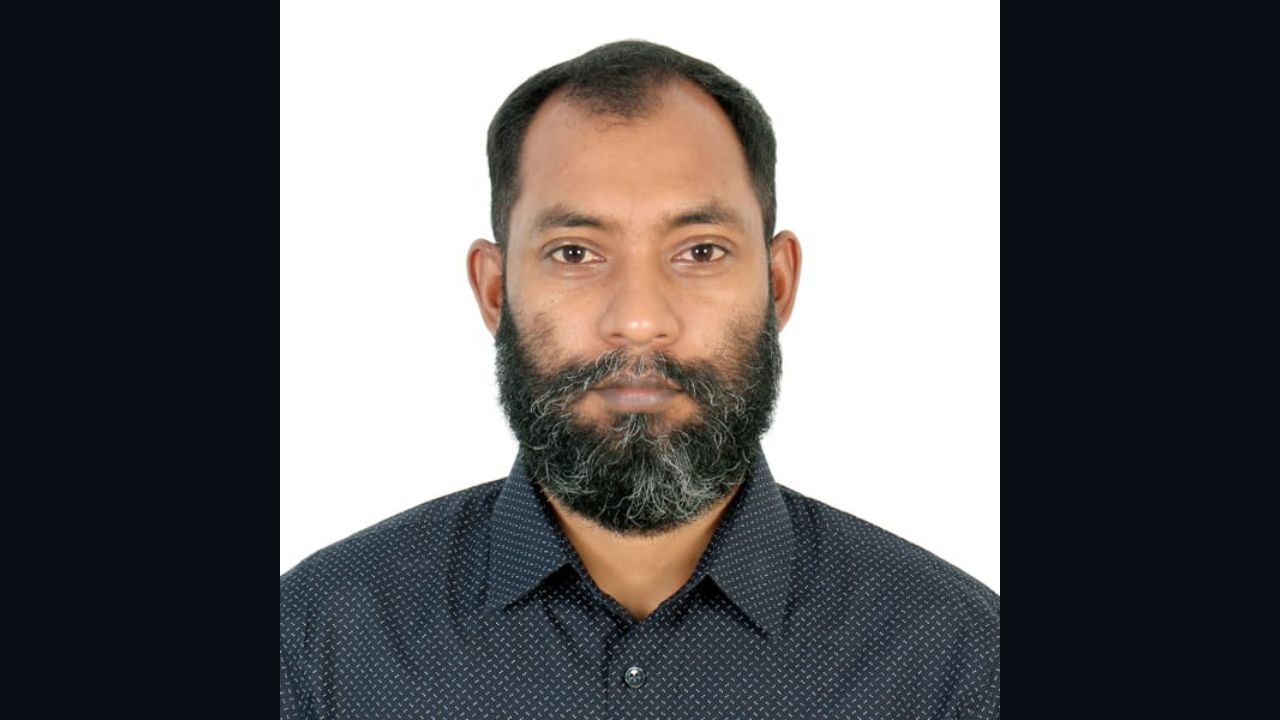
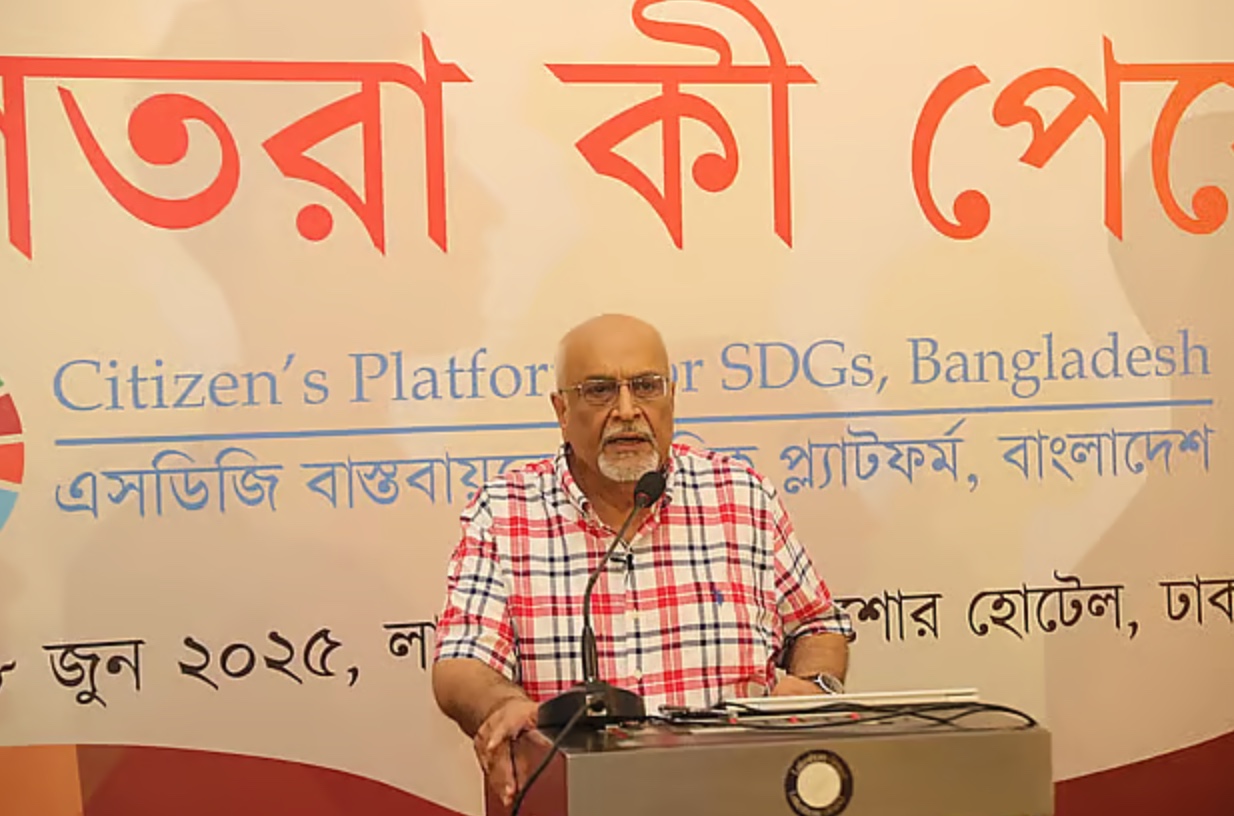
In an interview with TIMES of Bangladesh, Mohammad Nurullah, secretary general of Bangladesh Federation of Film Societies, welcomed the policy recognition of the creative economy but cautioned that funding gaps and weak execution frameworks could limit impact.
Creative economy recognition is a positive shift
The government has, for the first time, formally identified the creative economy as a key driver of national growth, targeting a 1.5 percent contribution to GDP by 2030.
Nurullah described the move as “highly significant,” noting that film, design, animation, digital content, music and crafts have long been excluded from mainstream economic planning.
“Globally, creative industries contribute around 3.1 percent of GDP and generate millions of jobs. Bangladesh has long underutilised this sector,” he said.
However, he stressed that current budget allocations remain modest compared to the scale of ambition.

Allocation is small compared to ambition
The budget allocates Tk826 crore for the culture ministry and Tk1,189 crore for the information and broadcasting ministry. Of this, a significant portion goes into operational expenses.
Nurullah said this leaves limited scope for creative development.
“In a budget of Tk9.38 lakh crore, the allocation for culture is less than one percent. Almost half goes into administrative costs. That leaves very little for actual creative work,” he said.
He added that after covering salaries and maintaining cultural infrastructure at district and upazila levels, little remains for independent filmmakers, grassroots organisations or cultural movements.


Creative economy fund still too small
The budget proposes Tk300 crore for the creative economy, along with an additional Tk500 crore from Bangladesh Bank’s CSR fund.
Nurullah welcomed the initiative but said the investment remains at an early stage.
“The idea is excellent, but the scale is still very small compared to what is being planned — creative hubs, studios, training centres and branding initiatives require much larger and sustained funding,” he said.
He added that the proposed Central Creative Hub in Purbachal and regional hubs could be transformative if properly implemented.
Film should be at the centre of creative economy
Nurullah argued that the film industry should play a central role in the creative economy strategy, as it connects multiple sectors including tourism, fashion, OTT platforms, music and digital content.
“Film is the only medium that links culture, technology and branding together. It should be at the centre of the creative economy strategy,” he said.
He also noted that while the budget mentions international-standard studios, there is still no clear roadmap for strengthening film production, distribution or global collaboration.
Execution and accountability are the real tests
Nurullah stressed that the biggest challenge is not policy announcement but execution and transparency.
“It is not just about allocation. We need clarity on who benefits, how funds are used, and which sectors are prioritised,” he said.
He called for dedicated strategies for different creative industries, including film, OTT, animation, music, publishing, crafts and digital content.
He also warned that without strong governance mechanisms, funds risk inefficiency or misuse.
“Without proper guidelines, there is a risk that resources will not reach the actual creators,” he said.
While the budget signals a policy shift by formally recognising the creative economy, Nurullah said its success will depend on whether it is backed by strong institutions, clear strategies and long-term investment.
“The direction is positive. But without execution, it will remain a vision on paper,” he said.