
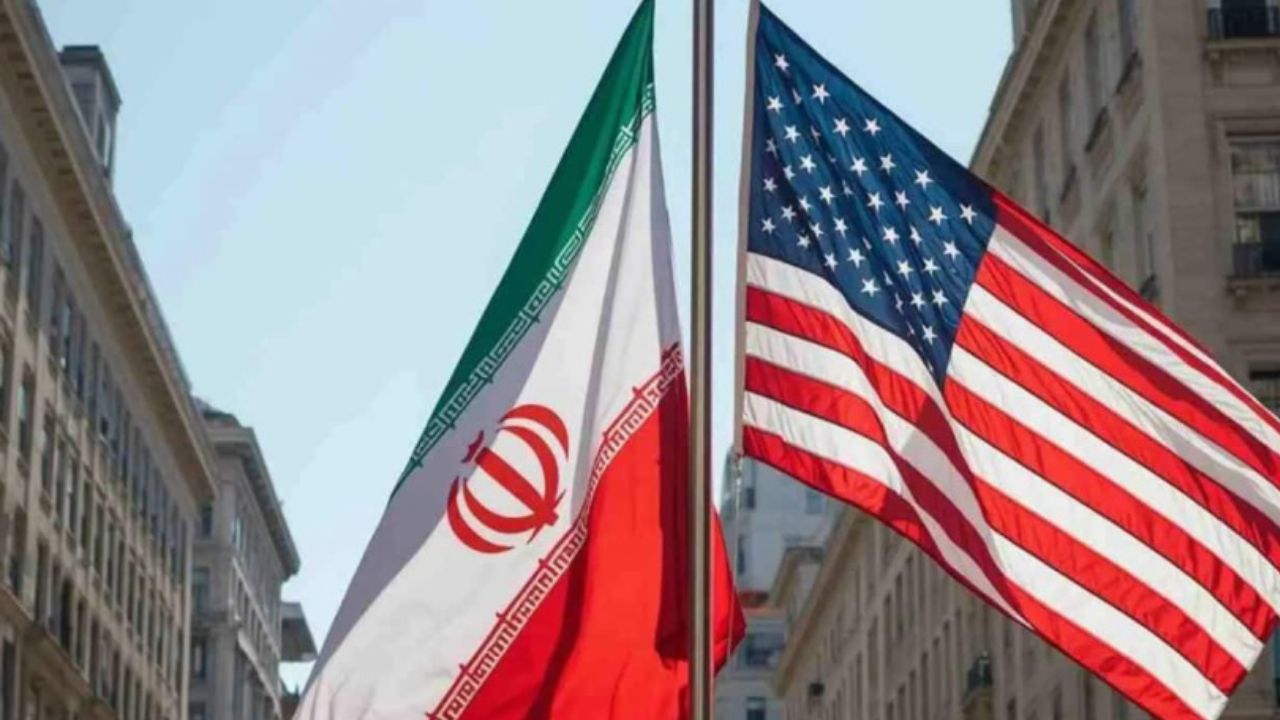



The United States is preparing its most severe sanctions yet against Iran after diplomacy to end the war between the two countries stalled, with President Donald Trump and Treasury Secretary Scott Bessent both vowing the measures would bring down Tehran’s government.
Iran responded on Saturday by threatening retaliation against any country joining the new US push, according to reports from Al Jazeera.
The warning followed Trump’s threat last week to penalise nations doing business with Iran, and Bessent’s pledge that fresh measures would help collapse Tehran’s leadership, as Washington urged allies to take part.
Washington has run an economic pressure campaign against Iran since the war began on 28 February, under the banner “Operation Economic Fury”, including a naval blockade of Iranian ports targeting oil exports and action against firms and vessels accused of helping Tehran sell crude abroad, building on long-standing sanctions covering Iran’s energy, shipping and financial sectors.

In a social media post on Wednesday, Trump described a forthcoming “crushing economic operation”, saying Iran had squandered its chance for a deal and would now face isolation on an unprecedented scale.
He warned countries allowing banks, firms or airports to assist Iran would themselves suffer severe consequences, called for smuggling, currency swaps and front companies used to evade sanctions to stop immediately, and urged allies to help isolate Tehran.
Bessent told CNBC the following day that Washington would pair the existing blockade with the toughest sanctions ever imposed on Iran, predicting the approach would ultimately topple the government. Countries, he said, would have to choose between Washington and Tehran, with any nation moving money, buying oil or providing shipping for Iran facing the full force of the US Treasury, in what he called the largest coordinated economic isolation effort in history.


Iran dismissed the plan as an attack on international sovereignty. Foreign ministry spokesman Esmaeil Baghaei said no state could force foreign banks, firms or airports to cut ties with Iran, warning the approach risked collapsing the UN-based system of sovereign states and reviving colonial-era practices.
Foreign Minister Abbas Araghchi said the measures were doomed, pointing to Iran’s decades of experience under sanctions.
Mohsen Rezaei, secretary of Iran’s Supreme National Security Council, said Tehran was urging countries, including its neighbours, not to join Washington’s “economic war”, warning participants would be treated as enemies facing major retaliation.
He outlined a three-stage response starting with negotiation, then action against any country failing to distance itself from Washington, cautioning that Gulf states joining could see regional oil exports halted entirely, including via routes bypassing the Strait of Hormuz.
Iran has already struck US sites in the region since February, while installations in Qatar, Kuwait, Saudi Arabia, Bahrain and the UAE have suffered incidental damage from intercepted strikes.
Analyst Hamidreza Azizi said Tehran appeared to be signalling that even attack preparations could provoke a response, describing an emerging doctrine combining pre-emption with disproportionate retaliation.
China’s foreign ministry said sanctions would not resolve the dispute and called for diplomacy. Gulf states, allied to Washington but neighbouring Iran, have responded unevenly; the UAE imposed an indefinite trade embargo on Iran last week over alleged missile fire it denies.
Analysts including Lancaster University’s Simon Mabon say Gulf governments fear the instability a collapse of Iran’s government could bring, even as some have favoured pressuring hardline elements within its Revolutionary Guard.
Analysts also doubt Washington can fully isolate Iran given its deep trade ties with China and Russia. Georgetown University’s Paul Musgrave said replicating multilateral-style sanctions unilaterally would be difficult without Chinese and Russian cooperation. China bought roughly 80 percent of Iran’s oil exports in 2025, according to Kpler, with ship-to-ship transfers off Malaysia still moving Iranian crude.
Chatham House’s Yu Jie said Beijing was unlikely to jeopardise its truce with Washington over sanctions on Chinese banks. Russia, a smaller but strategically important partner, has built military and commercial ties with Iran bypassing Western channels, including drone supplies used in Moscow’s war on Ukraine.