
Speakers at a workshop emphasized that under the new EU Corporate Sustainability Due Diligence Directive (CSDDD) and related laws, buyers from European Union brands will be required to pay fair prices to sourcing countries.
The two-day workshop on “Human Rights and EU Due Diligence in the Garment Sector,” which concluded on September 1 in Dhaka, was jointly organized by the Bangladesh Institute of Labour Studies (BILS) and Mondiaal FNV, a Netherlands-based international labour organization.
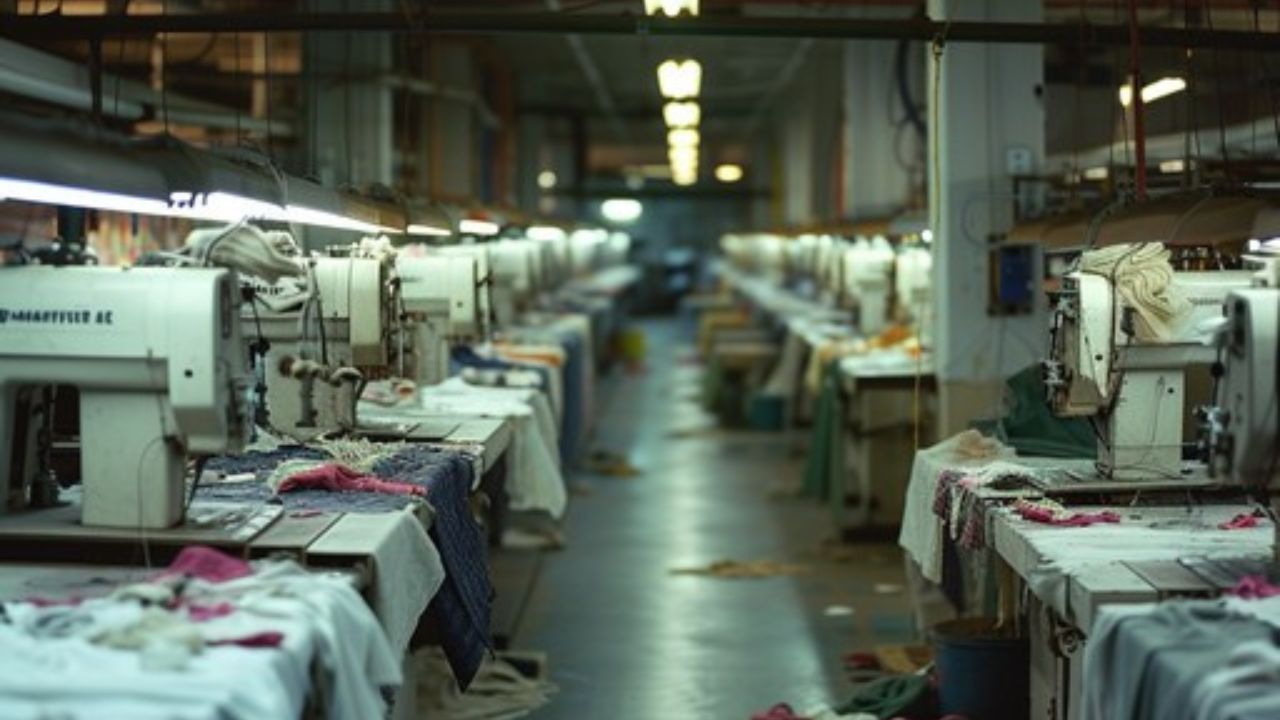
Experts noted that while EU brands often impose strict regulations on Bangladeshi suppliers—such as ensuring separate washrooms for transgender workers—they frequently fail to offer fair pricing. This lack of fair payment makes it challenging for factory owners to pay even the minimum wages to workers.

The CSDDD, passed by the EU Parliament in April 2024, will be enforced by 2029, making EU brands accountable for the sources of their goods. The law will prohibit imports from suppliers with questionable human rights or environmental practices.
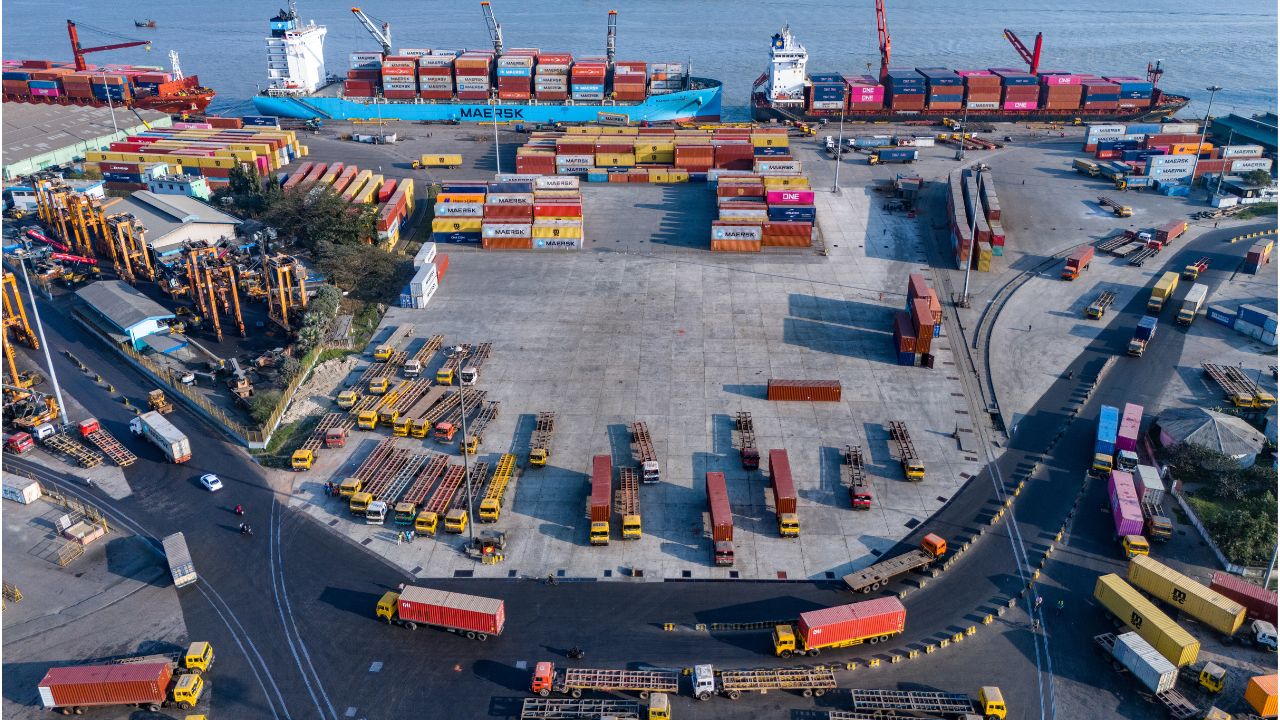


To prevent export losses, speakers urged Bangladesh’s industrial sector to focus on environmental sustainability and human rights. They also highlighted that laws like Germany’s Supply Chain Act will hold all parties in the supply chain accountable, with non-compliance leading to goods being banned from entering EU markets.
The workshop concluded with calls for raising awareness to ensure buyers offer fair prices, which are essential for improving workers’ rights and conditions in the garment sector.
The speakers included Syed Sultan Uddin Ahmed, Nazma Yasmin, Md Shahinur Rahman, Md Aurongajeb Akon, and Md Yusuf Al-Mamun.