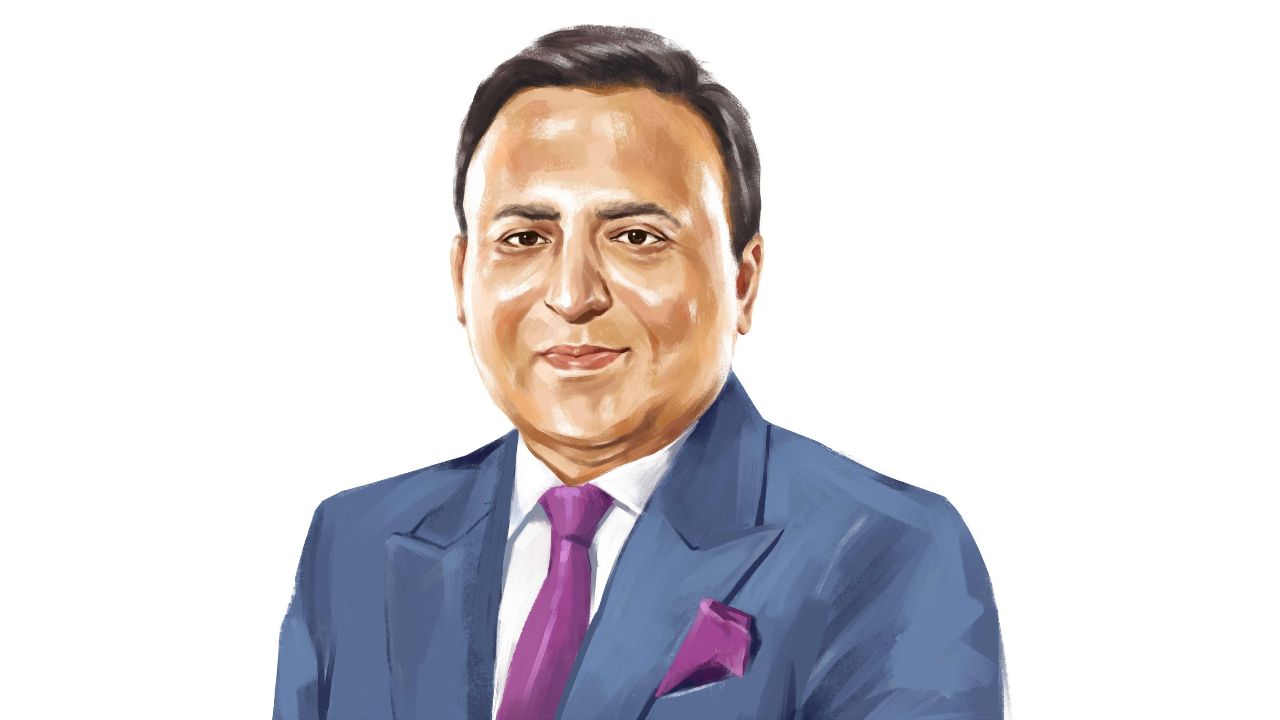

Bangladesh’s ready-made garment (RMG) industry — the export engine and a lifeline for millions — is passing through a period of heightened uncertainty, Sparrow Group Managing Director Shovon Islam said during an interview with Al Amin Rubel of TIMES of Bangladesh.
While global orders continue to fluctuate and production costs inch upward, he said that structural bottlenecks at home now pose a greater challenge than international issues, including the intensifying competition abroad.
The entrepreneur discussed the business landscape following the July Uprising, the interim government’s reform and policy initiatives, and the country’s overall economic situation within a global context.
With around $300 million in annual exports, Sparrow Group is one of the largest apparel exporters in Bangladesh. “We are not only competing with other countries. We are also competing with our own policies, delays and uncertainty,” Shovon, also former director of BGMEA, said.
He further said that the political transition in August of 2024 initially raised hopes of a more predictable business climate, faster decisions and stronger investor confidence.
Instead, prolonged labour unrest in key industrial belts — particularly Ashulia — disrupted production for weeks. The situation eventually stabilised after extensive negotiations involving security forces, workers and unions, he said.

Shovon believes Bangladesh could have leveraged the interim government’s global credibility more effectively.
A dedicated task force — combining banking, law-and-order and economic agencies — could have addressed urgent bottlenecks faster, he argued.
“We expected structured engagement and quicker responses. Instead, communication gaps lingered,” he said.
He further said banking-credit interest rates have more than doubled in recent years, refinancing facilities have narrowed, and limits under the Export Development Fund have been reduced. Liquidity, many complain, is increasingly scarce.




“Banks themselves are under stress — and that stress is being passed on to industry,” Shovon said, adding that a weak capital market leaves few alternatives for long-term financing.
He also said that disruptions in transshipment routes, fires at cargo facilities and prolonged work stoppages in revenue offices had complicated export operations last year.
“At one stage, export earnings dipped sharply, forcing factories to rely on costly air shipments simply to meet deadlines,” he added.
In an industry where time can be as decisive as price, such delays are proving expensive, he said.
He further said that the amended labour ordinance requires annual pay raises and wage reviews every three years, but the policy was implemented without adequate evaluation of productivity levels, inflation trends, or the capacity to enforce it effectively.
Introducing reform without adequate monitoring, Shovon warned, risks generating conflict without ensuring the protections intended for workers.
Regarding the US tariff, he said that despite negotiated reductions, Bangladeshi apparel still faces relatively high tariffs in the US market.
By contrast, countries such as Jordan and Egypt benefit from significantly lower — in some cases zero — tariffs, giving them a price edge, he added.
“While regional competitors like Vietnam continue to unlock preferential trade terms through diplomacy, Bangladesh has yet to secure equivalent benefits. This is eroding margins and shifting orders elsewhere,” Shovon said.
Regarding the changing apparel trend, he said that global demand is gradually shifting away from basic garments toward design-driven, technology-enhanced products.
“Yet only about one-fifth of Bangladeshi factories are positioned to move up the value chain,” he added.
With LDC graduation approaching in 2026 — alongside stricter compliance requirements such as EU due-diligence rules — the readiness gap is becoming more visible, he said.
Shovon was outspoken about inefficiencies in customs and bond management systems. Full automation and simplified procedures, he argued, could curb rent-seeking and reduce clearance times to under 24 hours — like practices adopted by regional competitors.
Despite the turbulence, he remains cautiously hopeful. Political stability, he believes, could give businesses space to restructure, innovate and pursue the sector’s next target: $100 billion in exports and 10 million direct jobs.
Achieving that goal, however, will require coordinated reform across banking, port logistics, trade negotiations and labour governance — under a truly multi-ministerial framework, Shovon said.
For now, Bangladesh’s RMG sector is at a turning point — still strong and important globally, but under pressure to act fast so its biggest export success doesn’t slow down, he added.