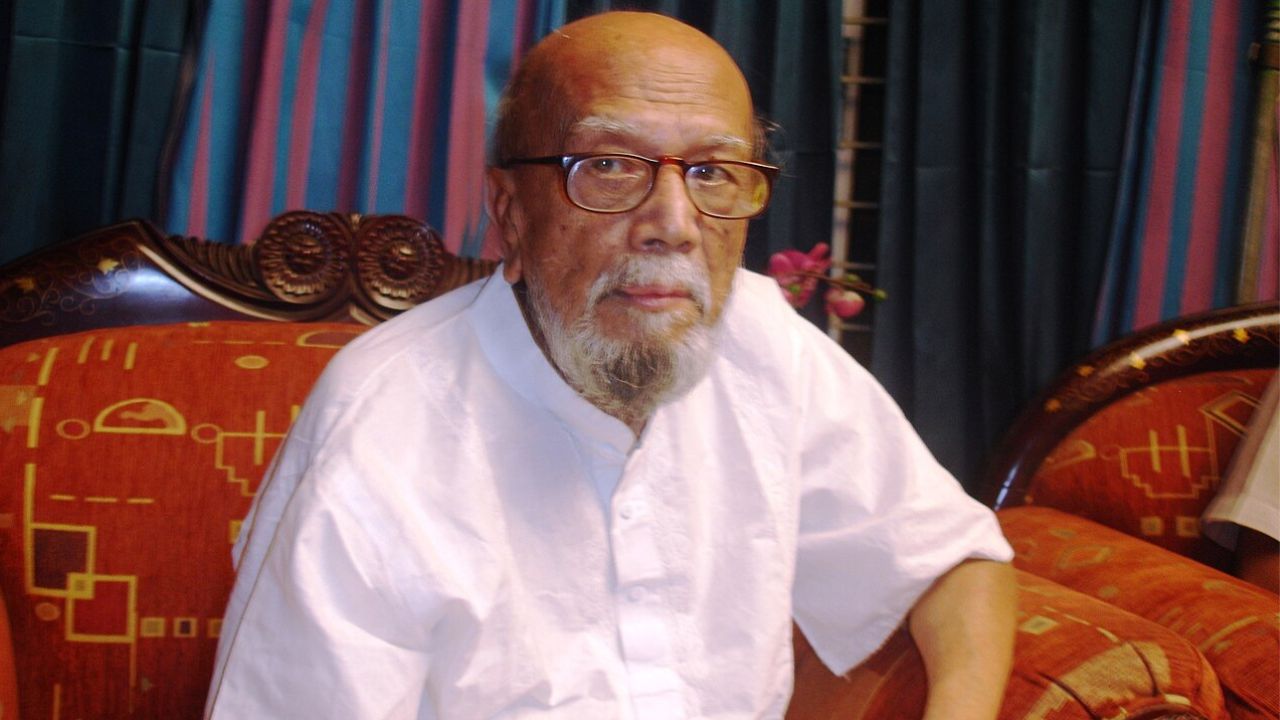
In Bangladesh’s publishing world, book covers were once seen merely as protective wrappers for texts. Challenging this narrow perception, Dhruba Esh established cover design as an independent art form. Over the past few decades, he has given Bengali visual art and literature a new dimension through his distinctive aesthetic vision and visual language.
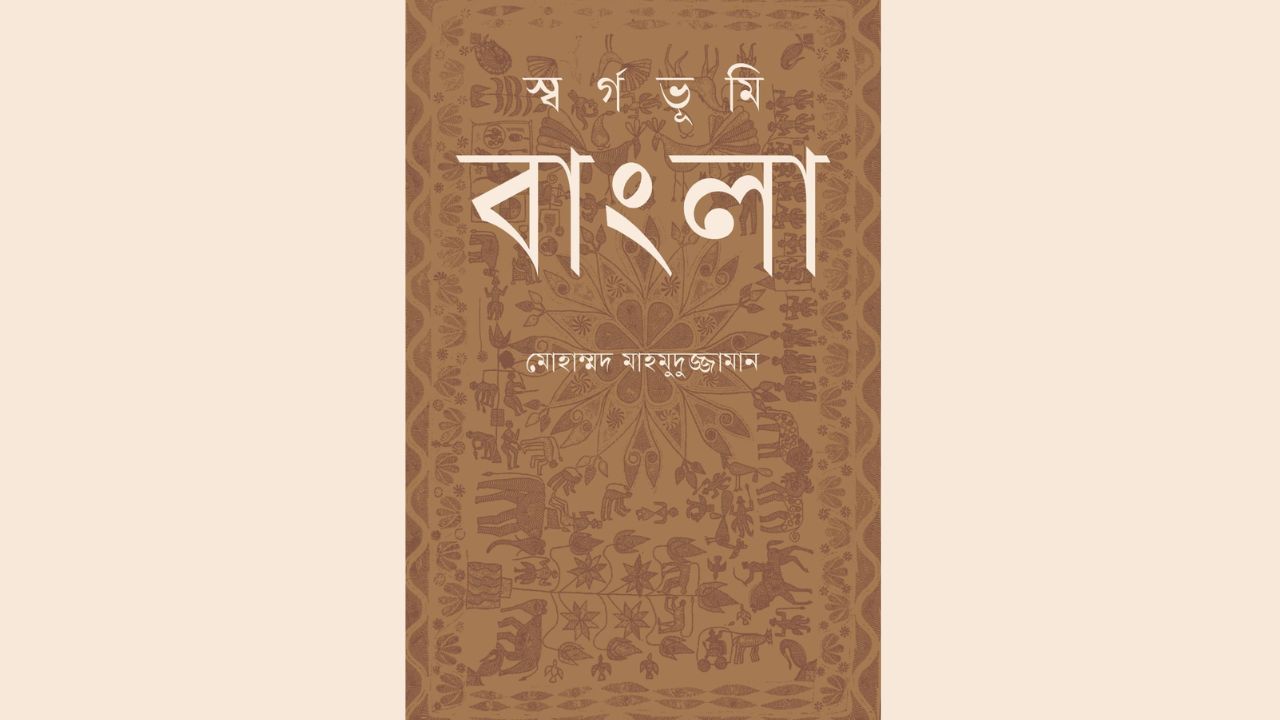
The greatest strength of Dhruba Esh’s cover art lies in his use of typography. He demonstrated that the essence of a book can be powerfully expressed without elaborate decoration, relying instead on the placement of letters, spacing and restrained use of colour. Through the covers of Humayun Ahmed’s novels ‘Nondito Noroke’, ‘Shonkhonil Karagar’, ‘Himur Hate Koyekti Neel Poddo’, ‘Deyal’, ‘Ei Shob Din Ratri’ and ‘Jochona O Jononir Golpo’, Esh transformed the visual language of Bengali book design.
Beyond his work as a cover artist, Dhruba Esh has also created a distinctive literary world as a writer. His children’s literature is simple and fluid in language, yet layered with imagination and an underlying awareness of life. In his horror writing, he moved away from conventional shock-driven storytelling, instead crafting psychological and surreal forms of fear. He has also translated several classics of world literature into accessible language for young readers.
His interior illustrations for collections such as Himu, Misir Ali and the Shuvro series further deepen the reader’s engagement. With just a few lines or strokes of ink, he captures the mental state of characters, allowing imagination to take lead.
Dhruba Esh’s visual sensibility also extends to film and television. In films such as ‘Aguner Poroshmoni’, ‘Shyamol Chhaya’ and ‘Dui Duari’, as well as popular television dramas including ‘Kothao Keu Nei’, ‘Ei Shob Din Ratri’ and ‘Aaj Robibar’, his title designs subtly and effectively convey mood and emotion.
Largely apolitical and reclusive, Dhruba Esh prefers quiet dedication to public attention. A closer examination of his body of work reveals that he is not merely an artist, but one of the key architects of the modern transformation of Bangladesh’s publishing industry.