
When Dhaka’s metro rail project was first announced, it was hailed as a milestone toward solving the city’s crippling traffic crisis. Billions of takas and years of planning have gone into building a system that promises to ease congestion and bring relief to millions of commuters.
Yet, even before the dust of construction has fully settled, a silent threat is emerging, one that may compromise both the safety and longevity of this national dream.
According to regulations, nothing is supposed to be attached to metro rail pillars. These structures are designed to carry immense loads, withstand vibrations and ensure stability for decades. Any extra weight or modification, whether billboards, banners or unauthorised fixtures, risks weakening their integrity.

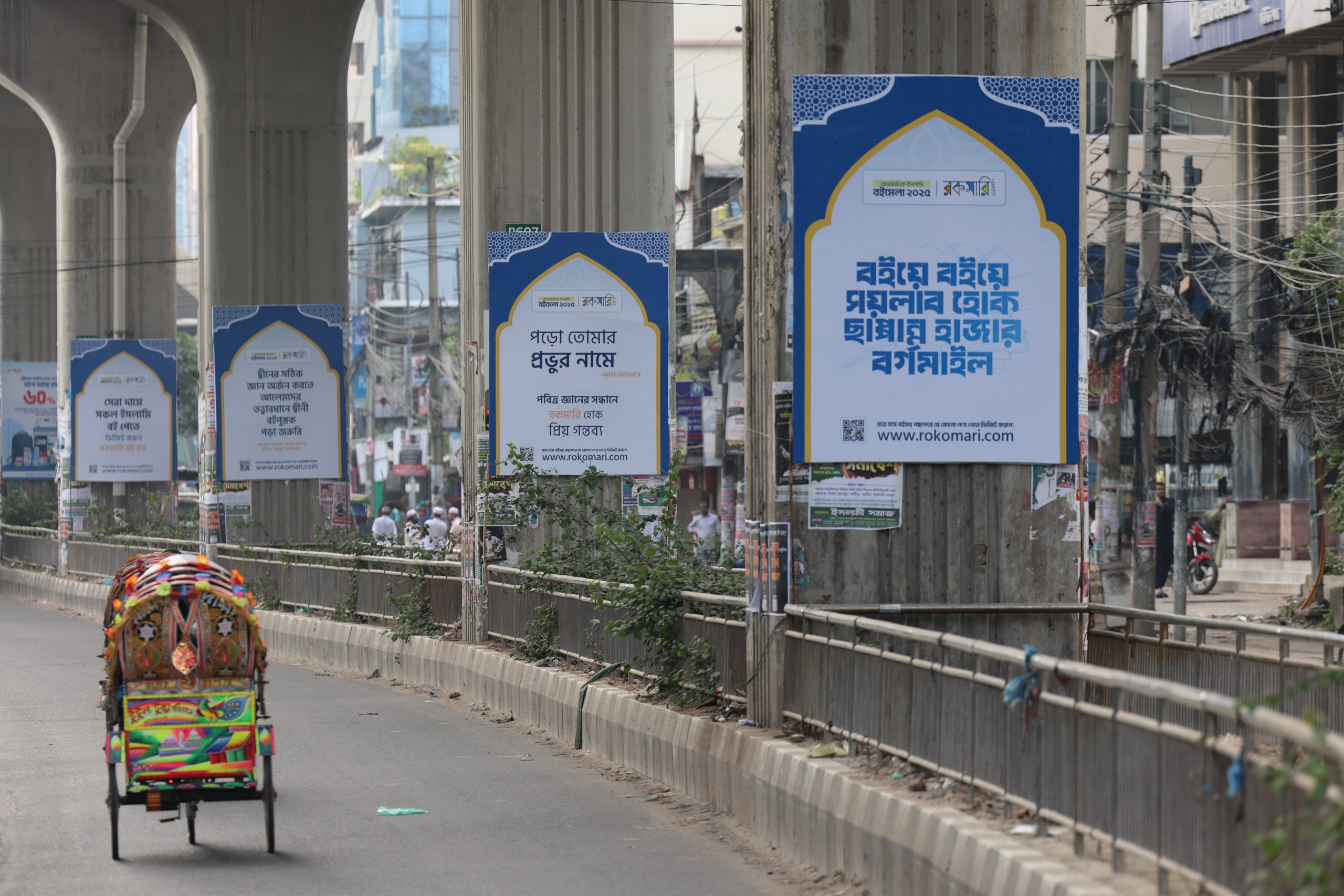
Yet in multiple stretches of the city, the pillars have become a new frontier for profiteering. Heavy banners, makeshift advertising boards and electrical fittings have already begun appearing, turning public infrastructure into private business grounds.
Experts warn that even minor additional weight can accelerate the depreciation of concrete structures. Over time, exposure to the elements, combined with poor maintenance and overloading, can lead to cracks, corrosion and reduced durability.




According to the engineers, the metro rail pillars are built with exact load calculations. When unauthorised materials are attached, the effects may not be seen immediately, but they will compromise safety in the long term.
For commuters, this is not just a question of aesthetics; it is a matter of safety. If pillars lose their strength earlier than expected, the entire metro rail line could face costly repairs, service interruptions or worse, a public safety hazard.
Who benefits?
The bigger question is who allows this to happen. Various reports suggest that departments and local authorities are turning a blind eye, while some may even be profiting from unofficial rentals of pillar space.
In a city where outdoor advertising is fiercely competitive, every square inch of visibility counts. And the gleaming, freshly built metro rail pillars have become prime real estate.
The irony is painful: a project meant to serve the public could end up being undermined by the very agencies tasked with protecting it.
Metro rail is not just another development project; it is a symbol of modern Dhaka. Allowing profiteering at the expense of public safety erodes trust and undermines the very purpose of the project. Strict enforcement, public vigilance and political will are needed now, before small damages snowball into irreversible losses.