The government has stepped up diplomatic efforts to secure international backing for delaying Bangladesh’s graduation from the least developed country (LDC) category by three years.
Bangladesh is scheduled to graduate on 24 November this year under a transition timeline set about six years ago. The government has formally requested the United Nations to extend the preparatory period until 24 November 2029.
Finance ministry officials said the outcome will ultimately depend on a decision by the UN General Assembly.
The finance ministry has asked the foreign ministry to intensify diplomatic engagement with UN member states to build support ahead of the vote.
“It must be argued that progress under the Smooth Transition Strategy has not been sufficient to ensure sustainable graduation,” a finance ministry official said, requesting anonymity.
Centre for Policy Dialogue Distinguished Fellow Mustafizur Rahman said the country’s recent political transition could justify additional preparation time.
“Bangladesh has gone through a transitional political phase, from upheaval to national elections. Additional time may therefore be justified to secure a durable transition,” he told TIMES of Bangladesh.
He said the government acted prudently by submitting the request promptly.

However, the final decision will rest with the UN General Assembly after reviewing recommendations from the Committee for Development Policy (CDP), he said.
“The government must begin diplomatic engagement immediately to secure support from partners such as India, China and the European Union,” Rahman added.
Officials said the request was submitted shortly after the BNP-led government assumed office, partly in response to concerns raised by business leaders over the economic impact of a rapid transition.
In its communication to the UN, the government cited a series of global and domestic shocks that have slowed economic recovery and complicated preparations for graduation.
These include the lingering effects of the Covid-19 pandemic, volatility in global food and fuel markets triggered by the Russia–Ukraine war, and disruptions to international trade routes linked to tensions in the Middle East.



The government also pointed to domestic challenges, including political uncertainty following the July 2024 student-led uprising and continued fragility in the financial sector.
According to the letter, these shocks have created macroeconomic pressures, including slower GDP growth, persistently high inflation, declining public and private investment, and a falling tax-to-GDP ratio.
Pressure on foreign exchange reserves has also intensified, while imports of capital machinery and industrial raw materials have declined, limiting new investment and job creation.
Governance challenges and macroeconomic instability have further strained the banking sector and capital markets, creating vulnerabilities in the financial system and weakening poverty reduction efforts, officials said.
They added that policy priorities in recent years shifted towards short-term crisis management, including safeguarding macroeconomic stability, protecting livelihoods, ensuring food and energy security, and managing external payment pressures.
This shift reduced the financial, institutional and political space needed to implement structural reforms required for a smooth transition from the LDC category, officials argued.
The government also highlighted uncertainties surrounding Bangladesh’s post-LDC trade regime.
These include potential challenges in securing GSP Plus status from the European Union for the ready-made garments sector, possible reciprocal tariffs from the United States, changes in bilateral trade arrangements, and new free trade agreements signed by competing export economies.
Officials also noted signs of slowing export growth in recent months.
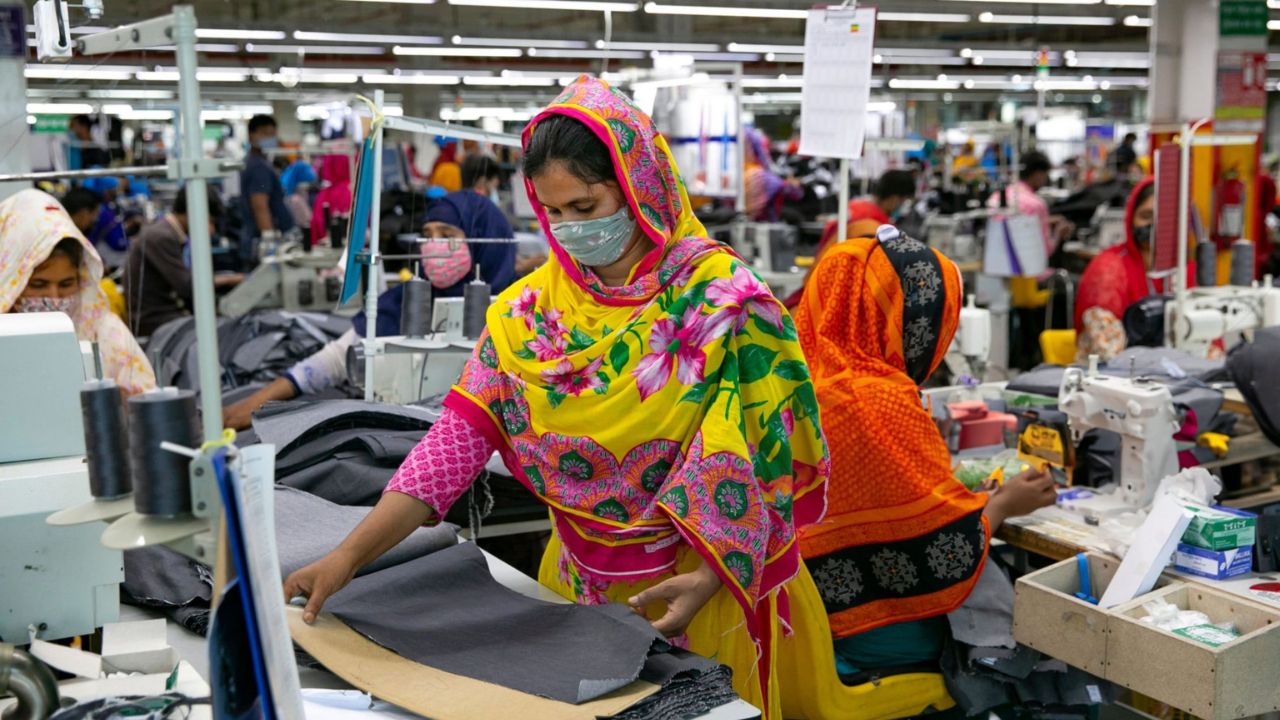
Bangladesh remains heavily dependent on the garments sector, while energy shortages and infrastructure constraints continue to affect industrial productivity.
Under such conditions, officials warned that the sudden loss of trade preferences within a compressed timeframe could weaken export competitiveness and slow development momentum.
Although Bangladesh has already met the criteria for graduation, authorities said successive global and domestic shocks prevented policymakers from focusing fully on structural reforms needed for a smooth transition.
Bangladesh was earlier granted a five-year preparatory period for LDC graduation, scheduled to end in November 2026.
Taking these factors into account, the government has asked the CDP to extend the preparatory period until November 2029.
If approved, officials said the additional time would allow Bangladesh to implement key reforms, restore macroeconomic stability, strengthen competitiveness and improve productivity before graduating.
The request will first be reviewed by the CDP, a subsidiary body of the UN Economic and Social Council (ECOSOC). The committee’s recommendation will then go to ECOSOC before being placed before the UN General Assembly for a final decision.
Officials said the decision at the General Assembly may involve a vote by member states.
Following the request, the finance minister wrote to the foreign minister urging proactive engagement with foreign missions in Dhaka.
Diplomatic attention has been recommended for the United States, Russia, the European Union, India and Nepal.
Officials noted that Nepal, which currently chairs ECOSOC, could play a significant role in the process, although its position on the issue remains unclear.