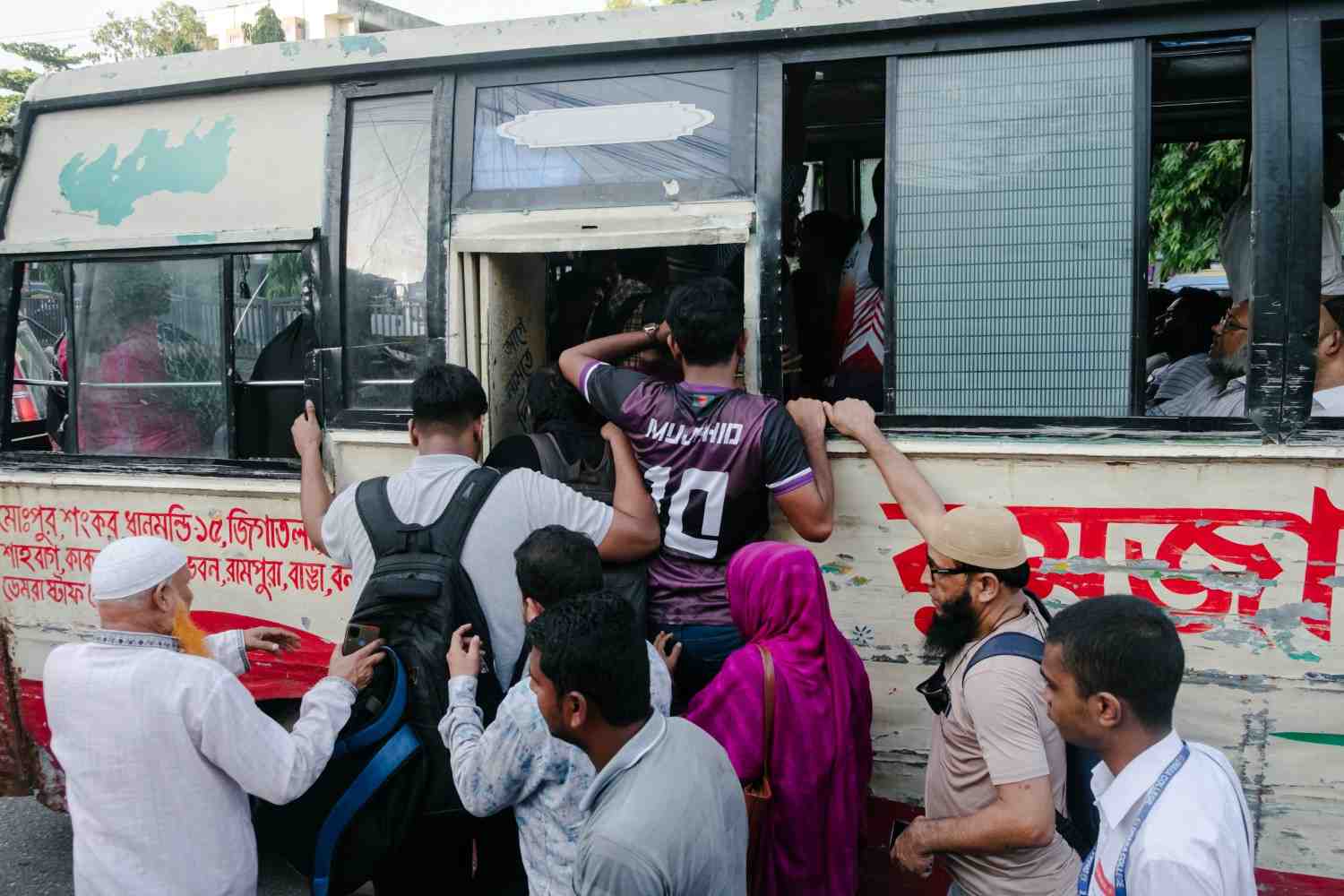
The bus stops with a loud screech. Its body is covered in rust, the windows are cracked, and black smoke pours from the exhaust pipe.
Inside, loose fans hang from the ceiling while worn-out seats shake with every pothole. Yet passengers continue climbing aboard because, for many in Dhaka, there is simply no other option.
Unfit buses have become an everyday reality in the capital. From damaged brakes to broken doors and expired fitness certificates, many public transport vehicles continue to operate despite posing serious risks to commuters. While passengers often complain about discomfort, transport experts warn that the danger goes far beyond inconvenience.
Under Section 47 of the Motor Vehicles Ordinance, 1983, all public transport vehicles were required to obtain a fitness certificate confirming that the vehicle was mechanically safe and roadworthy.

The ordinance was later replaced by the Road Transport Act, 2018, under which operating a vehicle without a valid fitness clearance remains a punishable offence. The certificates are issued by the Bangladesh Road Transport Authority (BRTA).
Despite these laws, unfit buses continue to dominate city roads. Reports from BRTA and transport authorities have repeatedly shown that a significant number of buses in Dhaka operate without valid fitness clearance.




Weak monitoring, corruption allegations, and political influence within transport syndicates are often blamed for poor enforcement.
The risks are enormous. Faulty braking systems can fail in emergencies. Worn-out tyres increase the risk of accidents, especially in the rain.
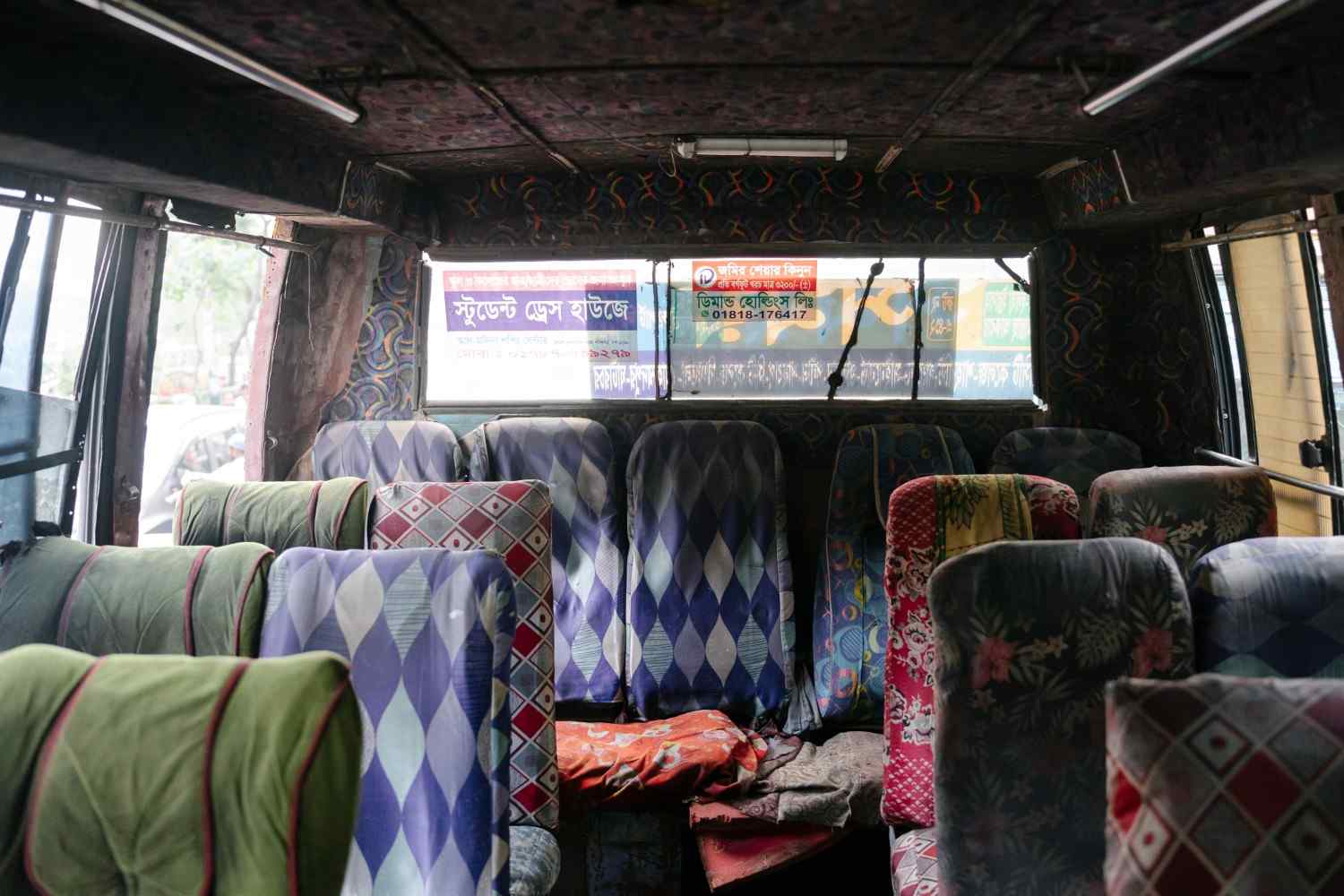
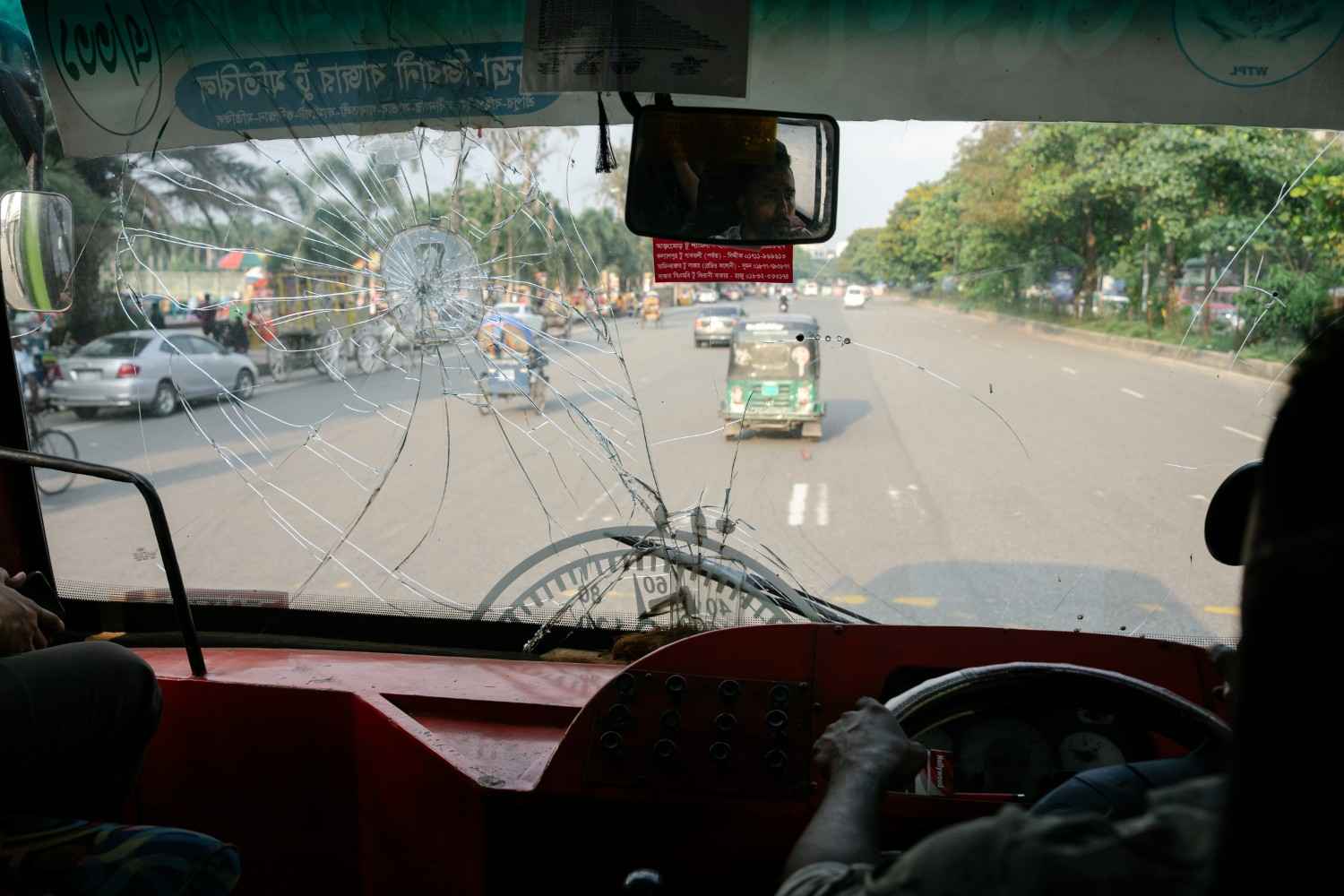
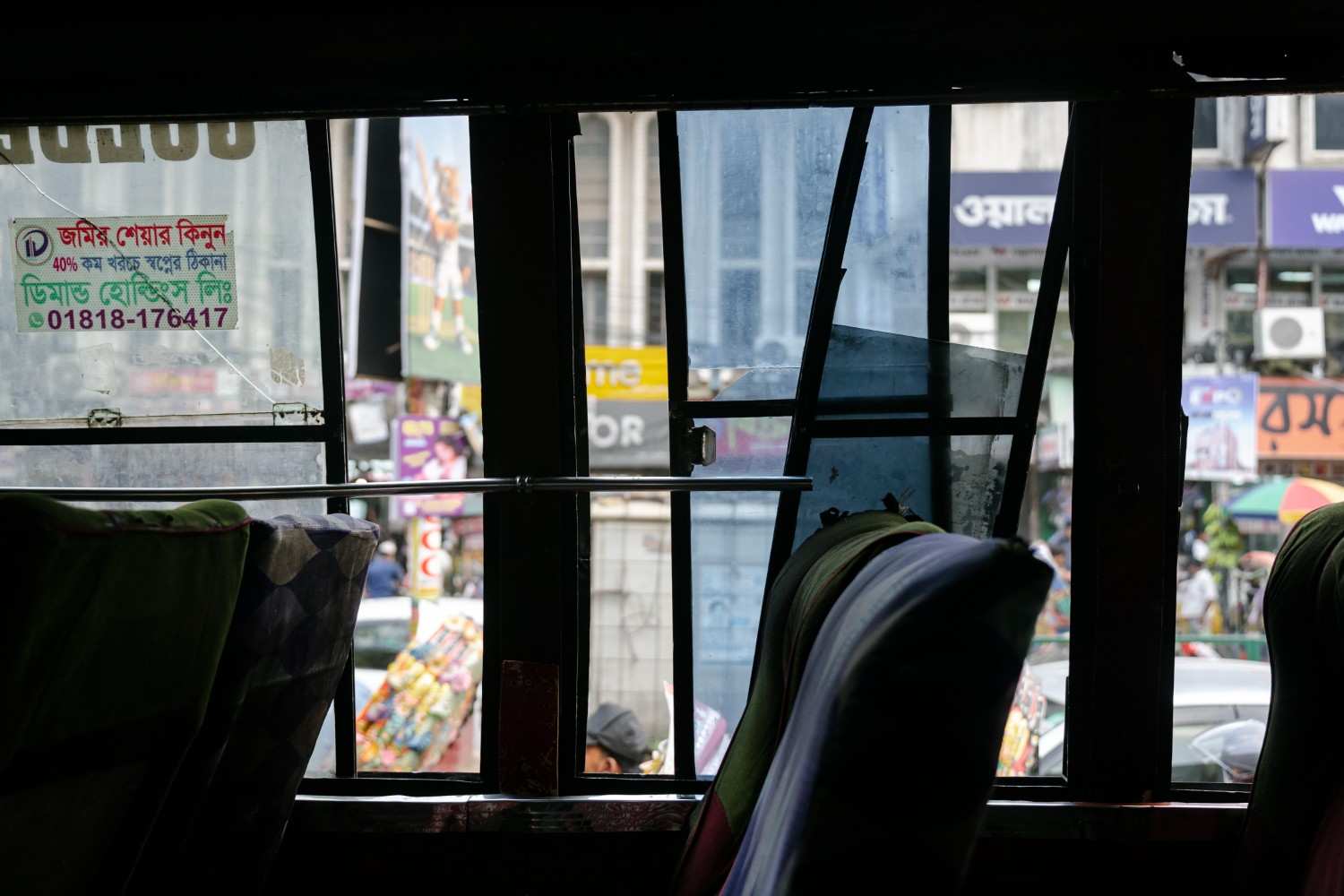
Broken doors and unstable footboards leave passengers vulnerable to falling from moving vehicles. Cracked windshields reduce visibility for drivers, while excessive smoke from poorly maintained engines worsens Dhaka’s already severe air pollution.
Many commuters describe these buses as “moving coffins,” but public transport shortages force people to keep using them. Drivers also face pressure to remain on the road for long hours under trip-based income systems, leaving little room for proper maintenance.
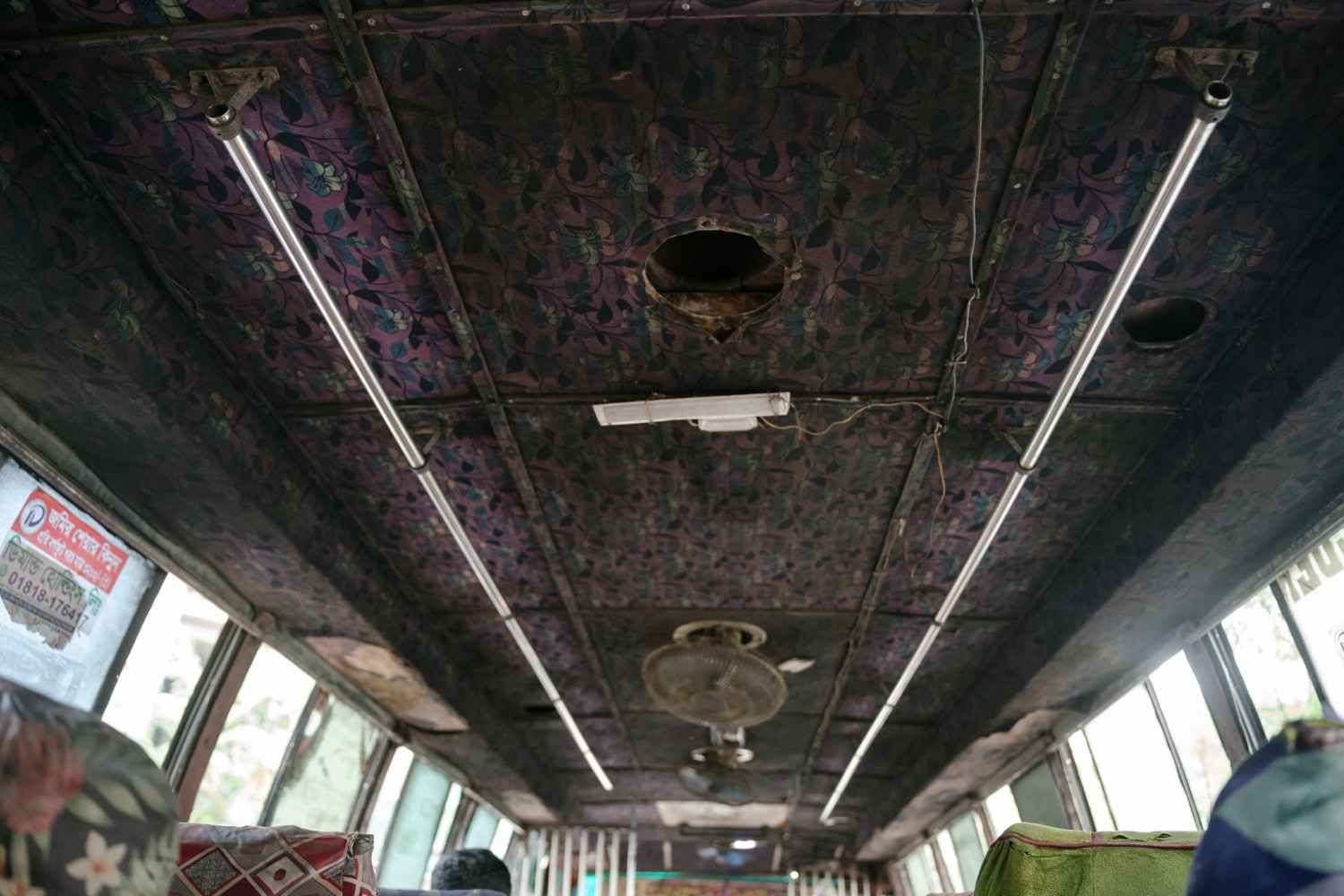
Authorities occasionally launch drives against unfit vehicles, seizing buses and issuing fines. However, the impact is often temporary, with many buses returning to the roads within days.
As Dhaka continues to modernise with metro rail and expressways, the condition of its buses reveals a harsher reality. For thousands of people, daily commuting still means trusting their lives to vehicles that are visibly unsafe.