





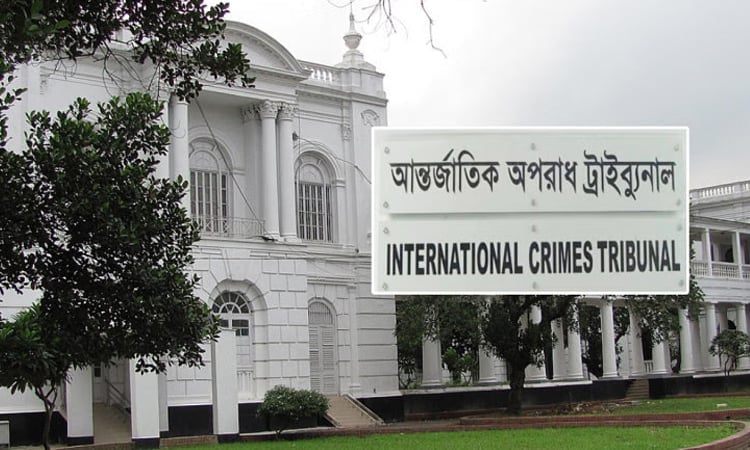
Barrister M Sarwar Hossain, the defence lawyer representing 15 army officers accused of crimes against humanity, has said he will withdraw from defending anyone found to be directly involved in enforced disappearances.
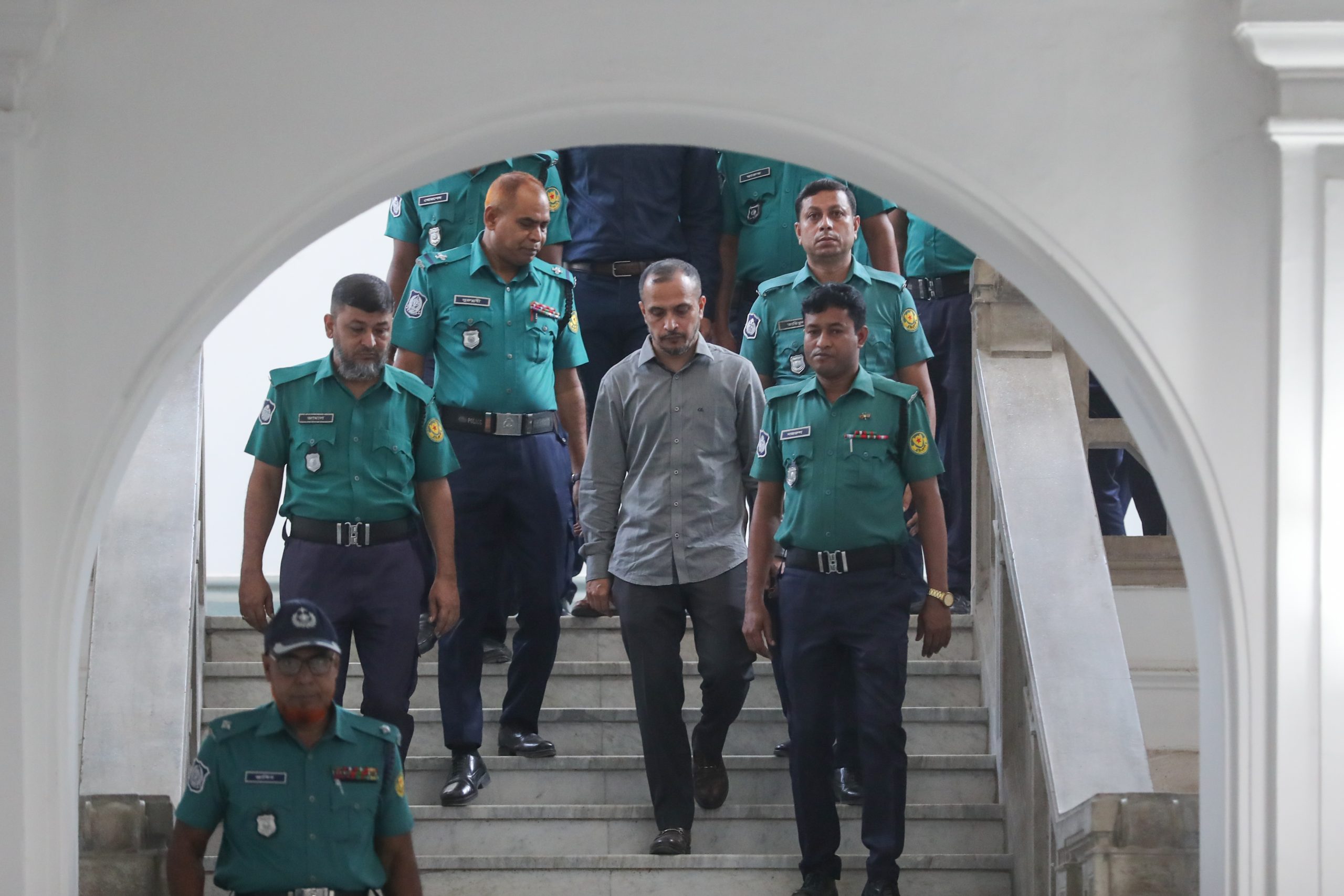
In a Facebook post on Tuesday, Sarwar announced that he would not stand by any officer if the charge sheets proved their involvement in such crimes. His statement came shortly after the officers were sent to a sub-jail at Dhaka Cantonment following their appearance before the International Crimes Tribunal-1 (ICT-1).
Sarwar stated that his professional responsibility was to ensure justice, not to provide unconditional defence. He said he would only defend officers who were innocent or those who had no direct role in the incidents but were unable to prevent them.
The lawyer confirmed he would continue to represent former DGFI director general Lt Gen (retd) Ahmed Tabrez Shams Chowdhury and Maj Gen (retd) Hamidul Haque, describing them as men of integrity and professionalism.
Criticising recent amendments to the Army Act, Sarwar said the provision allowing for dismissal and other penalties before a verdict was “punishment before trial.” He warned that such measures undermine due process and could obstruct justice for accused officers.
The defence lawyer also voiced support for the current Chief of Army Staff, General Waker-Uz-Zaman, commending his leadership during the July 2024 uprising and the transition that followed. However, he stressed that no innocent officer should face punishment under false or politically motivated cases.
Fifteen serving and retired officers, including six brigadier generals and one major general, appeared before the ICT-1 on 22 October in connection with three cases of crimes against humanity, including enforced disappearances and killings. The tribunal later ordered their detention at the Dhaka Cantonment sub-jail.
Sarwar’s comments come amid growing discussion over amendments to the Army Act, reportedly revised three times since the change of government on 5 August 2024. He cautioned that maintaining clauses allowing pre-trial penalties could jeopardize fair trial standards and hinder impartial proceedings in future military trials.


