The Committee to Protect Journalists (CPJ) has urged Chief Adviser Muhammad Yunus to take immediate action to free four journalists imprisoned in Bangladesh.
The New York–based press freedom group said the charges against the journalists appear retaliatory and lack credible evidence. The organisation sent a letter to the chief adviser on Monday, ahead of International Human Rights Day on 10 December.
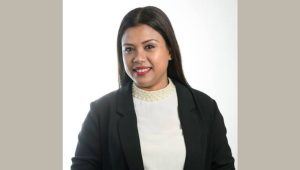
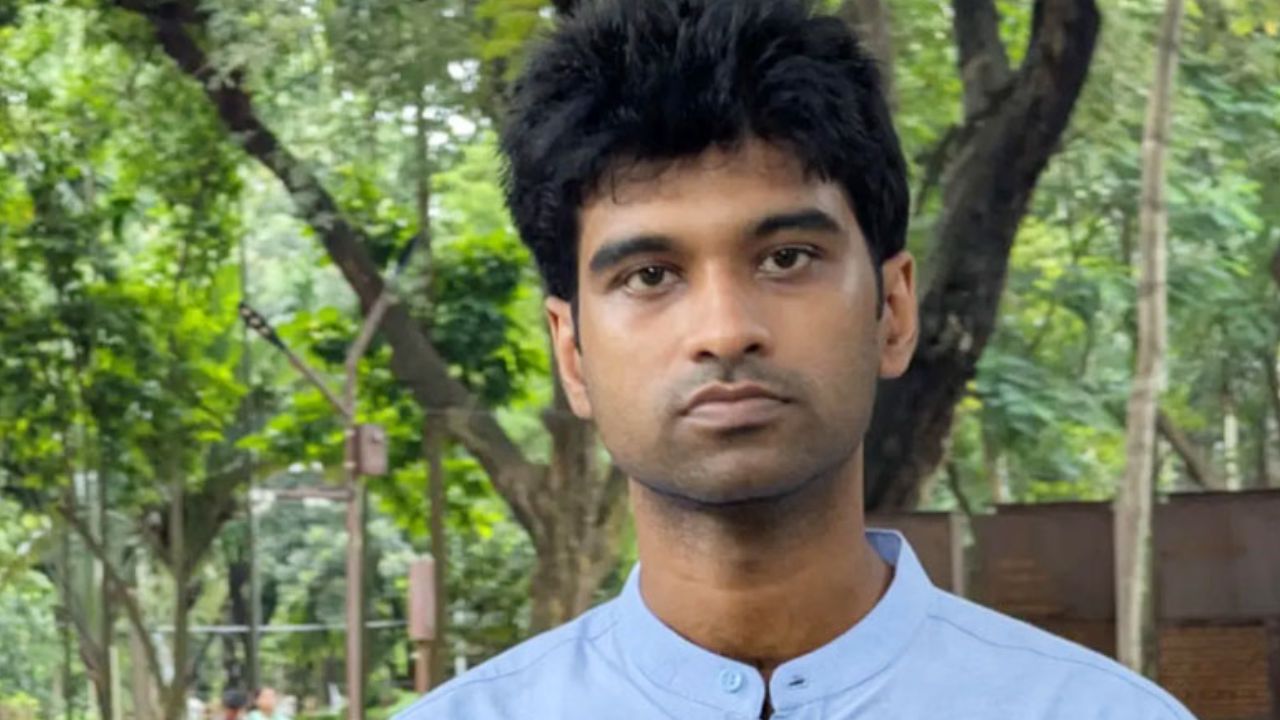
In the letter, CPJ identified the journalists as Farzana Rupa, Shakil Ahmed, Mozammel Babu and Shyamal Dutta. All four face murder charges. CPJ said the accusations are linked to their reporting and perceived political affiliations rather than any proven crimes.
The letter described severe conditions at Kashimpur Central Jail, where the journalists are being held. They are confined to 36-square-foot cells with metal bars instead of doors, leaving them exposed to cold weather and mosquito infestations. Prisoners reportedly sleep on bare concrete floors without mattresses.

Food is insufficient and often inedible, while medical care is critically inadequate. The prison has no permanent doctor, routine medical tests are unavailable, and inmates with serious health conditions — including cancer, diabetes, heart problems and sleep apnoea — have gone months without treatment unless families provide medication.
CPJ noted that in a November 2024 interview with a newspaper, Muhammad Yunus acknowledged that murder charges had been hastily filed against journalists.




At that time, he said the government had halted such actions and formed a committee to review the cases. Despite this, fresh murder charges have been filed against all four journalists since he assumed office on 8 August 2024. They have been repeatedly denied bail.
CPJ also noted that ZI Khan Panna, the lawyer representing some of the journalists, has himself been targeted with a murder allegation. “Freedom of speech and expression are protected under Article 39 of Bangladesh’s Constitution and under the International Covenant on Civil and Political Rights,” the letter stated.
CPJ stressed that the judiciary recognises the press as vital to accountability and democratic governance, and that authorities must uphold these domestic and international human rights obligations.
The press freedom group urged Yunus to mark International Human Rights Day by taking steps to ensure that all imprisoned journalists can return to their families and resume work. CPJ emphasised that meaningful reform requires breaking with previous practices, not replicating abuses.
More than 1,500 journalists from over 100 countries backed CPJ’s call for action during a solidarity initiative at this year’s Global Investigative Journalism Conference in Malaysia.
CPJ said the chief adviser’s personal attention to the matter would demonstrate Bangladesh’s commitment to justice, humane governance and free public discourse.