The closure of the Strait of Hormuz amid the Iran–Israel conflict has put Bangladesh’s energy supply chain under immediate pressure, raising the risk of higher import bills, renewed inflation and fresh strain on foreign exchange reserves if tensions persist.
Nearly all of Bangladesh’s crude oil and liquefied natural gas imports transit the narrow corridor linking the Persian Gulf to the Arabian Sea, leaving the economy exposed to disruption at what is widely regarded as the world’s most critical energy chokepoint.
About one-fifth of globally traded oil and roughly 25 per cent of liquefied natural gas pass through the route. Gulf producers dependent on the corridor hold nearly half of global oil reserves and around 40 per cent of gas reserves. Asian economies, which absorb about 80 per cent of Gulf exports, would bear the brunt of any prolonged blockade.
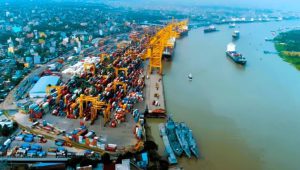
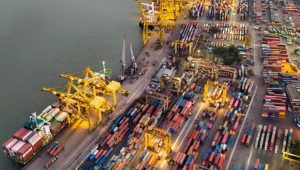
Bangladesh sources fuel from Saudi Arabia, Qatar, Kuwait, the United Arab Emirates and Oman, with almost all shipments bound for Chattogram crossing the strait before entering the Bay of Bengal.
Bangladesh Ocean Going Ship Owners’ Association Chairman Azam J Chowdhury said virtually 100 per cent of the country’s oil and gas imports rely on Hormuz.
“With the strait closed, we will have to source fuel from alternative countries or use longer sea routes. Either way, costs will rise and domestic fuel prices will be affected,” he said.
Industry estimates suggest diverting tankers via longer routes — including the Red Sea or extended Arabian Sea passages — could extend delivery times from 15–25 days to around 45 days. Freight charges may jump by 40–45 per cent, while insurance premiums are also expected to rise.

Former Bangladesh Shipping Agents’ Association Vice Chairman Shafiqul Alam Jewel said longer transit times alone would sharply increase charter and freight costs.
Bangladesh Petroleum Corporation (BPC) convened an emergency meeting in Dhaka on Sunday to assess supply risks and contingency options.
BPC Secretary Shahina Sultana told the Times of Bangladesh that the corporation has measures in place to maintain a stable fuel supply.
“We have a plan to ensure normal supply and are working accordingly. We hope there will be no disruption,” she said.



According to BPC, the country maintains reserves equivalent to 35 to 40 days of consumption, totalling approximately 4,00,000 metric tonnes of various petroleum products.
A vessel carrying 1,00,000 metric tonnes of crude oil had already crossed the Strait of Hormuz before the closure and is expected to arrive in Bangladesh on schedule.
Another crude oil shipment is scheduled for 22 March, though its passage may depend on how the situation evolves.
Bangladesh imports about 1.4 million tonnes of crude oil annually under government-to-government agreements, mainly from Saudi Arabia and Abu Dhabi.
Total annual fuel demand — including diesel, petrol, octane, furnace oil, marine fuel and aviation fuel — stands at roughly 7.2 million metric tonnes, with diesel accounting for the largest share.
Policy Exchange Bangladesh Chairman M Masrur Reaz said prolonged escalation would hit Bangladesh through both supply disruption and higher prices.
“If import bills rise again, exports and remittance inflows fall and inflation resurges, the economic recovery will be at risk,” he said.
The economy expanded by less than 3.5 per cent in the 2024–25 fiscal year, and Bangladesh is targeting 5.5 per cent growth this fiscal year.
Reaz said higher energy costs would widen the trade deficit and strain foreign currency reserves that have only recently stabilised.
Rising fuel prices would feed into electricity generation, manufacturing, transport and agriculture, adding to consumer inflation after a prolonged period of stress since mid-2022, triggered by the Ukraine war.
CFA Society Bangladesh former president Shahidul Islam said the impact would depend on the duration of the conflict and whether crude oil prices breach $100 per barrel. Several global investment banks have forecast that prices could exceed that level if the strait remains blocked.
The Dhaka Stock Exchange reacted sharply on Sunday. The benchmark DSEX index opened 4 per cent lower before closing down 2.47 per cent at 5,461. Of the traded scrips, 353 declined while only 30 advanced, underscoring investor anxiety.
Shahidul Islam said the market reaction may be somewhat excessive at this stage but acknowledged heightened volatility risks.
Analysts also warned of remittance risks. A significant share of Bangladesh’s migrant workforce is employed in the Middle East, and any slowdown in projects or incomes there could weaken remittance inflows — a key pillar of external stability.
Former Bangladesh Garment Manufacturers and Exporters Association director Mohiuddin Rubel said the shock extends beyond fuel supply.
Higher import costs could lift electricity tariffs, transport fares and food prices, testing macroeconomic stability just as early signs of recovery begin to emerge, he said.
Whether the disruption proves brief or prolonged will determine how severely the economy’s fragile recovery is affected, particularly on the macroeconomic front.