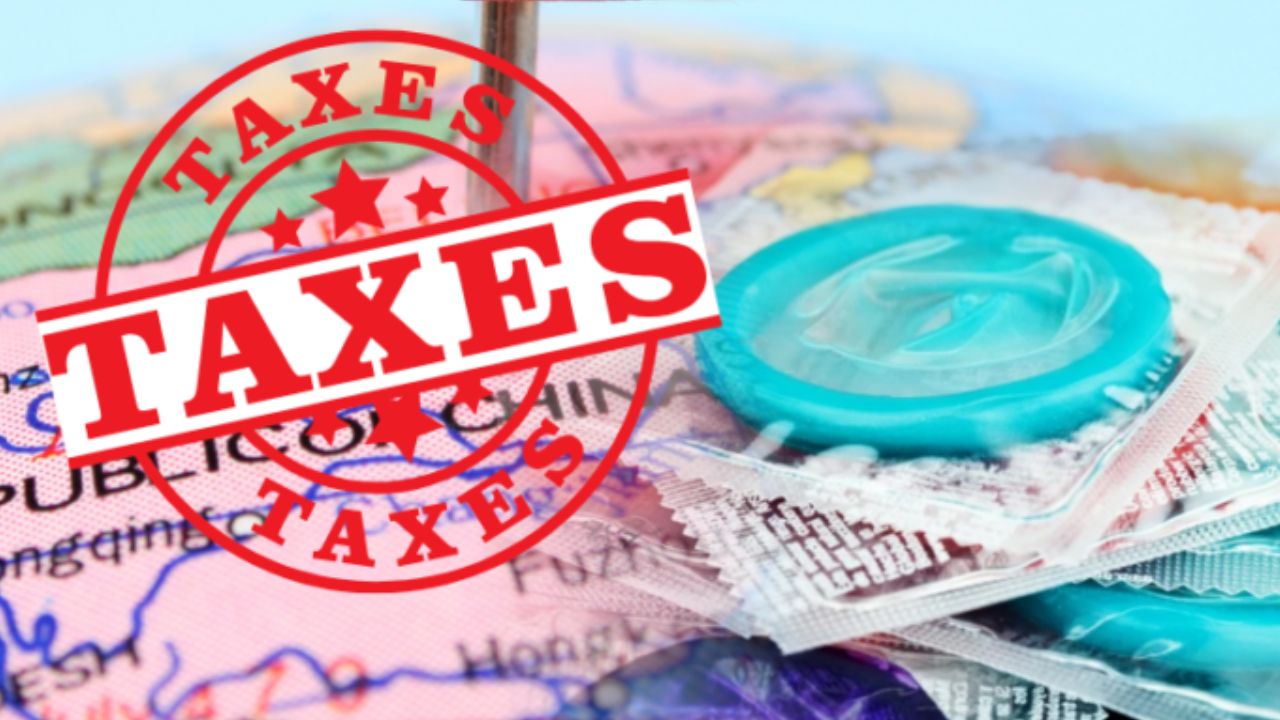

China will impose a value-added tax (VAT) on condoms and other contraceptives from 1 January next year, ending a three-decade exemption as the government seeks to address a declining birth rate while updating its tax framework.
Under the new rule, condoms and contraceptives will be brought under a 13 per cent VAT rate. These products have remained tax-free since the nationwide VAT system was introduced in 1993.
The provision is included in a VAT law enacted in 2024, aimed at modernising China’s tax regime. VAT currently makes up nearly 40 per cent of the country’s total tax revenue.
The move comes against the backdrop of China’s demographic challenges. After enforcing a strict one-child policy for more than 30 years, authorities have spent the past decade rolling out incentives to encourage couples to have more children.

Those measures include allowing up to three children per couple, offering subsidies and discounts on IVF treatments in some provinces, providing cash incentives for additional children, and granting extra paid leave for newly married couples in certain areas.
However, news that condoms and contraceptives may become more expensive has drawn widespread criticism online. “They are really going to extreme lengths just to make people have children,” one user commented on the social media platform Weibo.




The updated VAT law also introduces tax breaks for childcare services and so-called “marriage introduction services.”
Earlier this year, the government earmarked 90 billion yuan (around $12.7 billion) for its first nationwide childcare subsidy scheme, which offers 3,600 yuan per year for each child under the age of three. On Saturday, authorities also announced plans to expand national health insurance coverage to include all childbirth-related expenses.
Despite these initiatives, the impact has been limited. In 2024, China’s birth rate stood at 6.77 per 1,000 people, slightly higher than the previous year but still far below historical norms. Combined with a rising death rate driven by an ageing population, the country’s population has been shrinking for at least three consecutive years.
Against this backdrop, some observers fear that authorities may increasingly rely on restrictive measures rather than incentives. Reports have emerged of women in certain areas receiving phone calls from local officials asking about their menstrual cycles and plans for childbearing.
In December, Chinese media reported that women in a county in southwest China’s Yunnan province were asked to report the date of their last period, a move local health officials said was intended to identify pregnant and expectant mothers.
The condom tax itself is expected to have little practical impact. A typical pack of condoms costs between 40 and 60 yuan, while over-the-counter contraceptive pills range from 50 to 130 yuan per month.