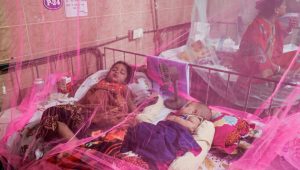
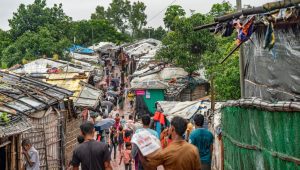
The Bangladesh Child Protection Initiative on Saturday placed a 10-point demand to address the ongoing measles outbreak and strengthen child protection systems at a press conference held at the Taufiq Aziz Khan Seminar Hall of The Daily Star Centre in Dhaka.
The demands were presented amid growing concern over measles infections and child deaths, with speakers calling for urgent reforms in vaccination coverage, health system coordination and crisis communication. Coordinator Hochemin Islam outlined the initiative’s proposals, which focus on transparency, accountability and emergency response improvements.
The group called for regular and transparent public disclosure of measles data, including infections, deaths and district-level response updates. It also demanded an independent review of failures in vaccination, vaccine supply, surveillance, early warning systems, communication and emergency response. The initiative stressed stronger accountability within the Directorate General of Health Services (DGHS), the Expanded Programme on Immunization (EPI) and local health authorities.
It further urged emergency outreach vaccination for zero-dose, under-immunized and marginalized children, along with support for affected families through medical care, psychosocial services and social protection measures. Additional demands included regular reporting on measles-rubella coverage gaps and missed children, preparation of a national child health emergency plan and stronger child safeguarding systems across all child-facing institutions.
The initiative also called for integrating health literacy and vaccine awareness into the education system and launching a nationwide awareness campaign involving media, civil society, teachers, health workers and community leaders.
Speaking at the discussion, Rasheda K. Choudhury, former adviser to a caretaker government and educationist, said Bangladesh must confront deeper systemic and moral failures behind preventable child deaths.
She linked the crisis to weak accountability, poor implementation of child protection policies and repeated failure to translate plans and budgets into action. She also highlighted gaps in health, education, nutrition and social protection, noting that poverty and maternal malnutrition continue to increase child vulnerability.

She said, “We must move beyond blame and recognize shared responsibility. Child deaths reflect systemic neglect, weak implementation, and our collective failure to protect them.”
Sadman Rahman, Consultant at the International Labour Organization, said the outbreak reflects deeper structural weaknesses in data sharing, accountability and crisis communication within the health system, beyond resource limitations.
He added that weak grievance mechanisms and poor coordination are limiting response effectiveness, stressing the need for better planning and information management.
He said, “We lack proper crisis communication and clear guidelines. The principle should be right message, right person, right time, but this is not being followed.”
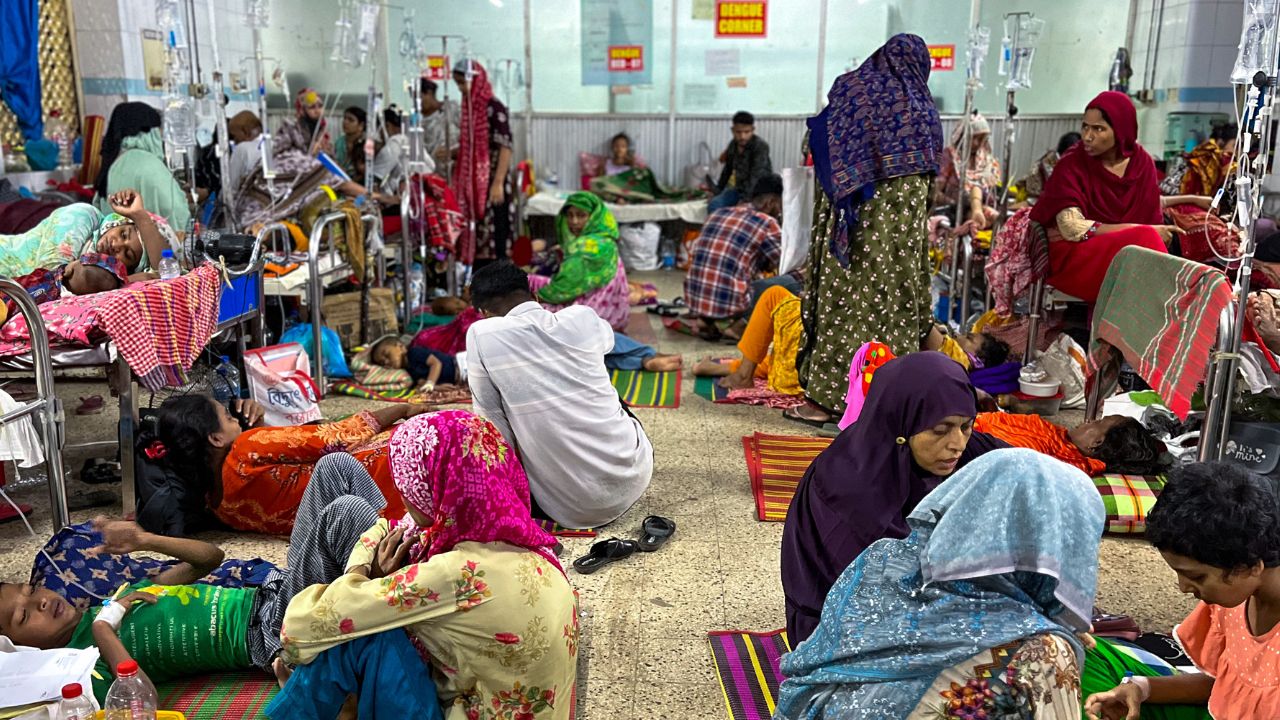


Asif Bin Ali, geopolitical analyst and doctoral fellow at Georgia State University, said Bangladesh’s public health crisis reflects long-standing structural weaknesses in governance, accountability, data systems and emergency response, despite earlier improvements in health indicators.
He pointed to poor crisis coordination, weak communication and the spread of misinformation as key factors worsening outbreaks like measles.
He said, “This is a systemic failure of state and health systems, requiring accountability, clear crisis communication, and protection for affected families.”
Shishir Morol, Special Correspondent of Prothom Alo, said Bangladesh’s measles response has been weakened by poor coordination, inconsistent vaccination coverage and delays in data sharing.
He said gaps in immunisation, limited outbreak preparedness and delays in vaccine supply decisions have contributed to the current situation. He also criticized the lack of real-time hospital and ICU data, arguing that it has made effective response difficult.
He said, “There is a lack of timely data, coordination, and sincerity in the system. Without real-time information and proper planning, children are continuing to die.”
Freedom fighter and journalist Abu Sayed Khan said the government should issue a clear statement on responsibility and restore a control-room based system of regular public bulletins, similar to the COVID-19 period, to help families navigate hospital care and referrals during the outbreak.
He said coordination gaps are forcing families to move between facilities without guidance. He also called for stronger accountability, improved reporting of child deaths and major reforms in the under-resourced public health system, especially for low-income families.
He further said, “This situation is unacceptable. Child deaths must be investigated, responsibility fixed, and health and education spending increased to around 5% of GDP to reduce inequality and improve public services.”
Senior journalist Masud Kamal criticized the handling of the measles situation, saying authorities have deflected responsibility and that systemic failures in healthcare delivery, data management and communication have worsened the crisis.
He raised concerns over conflicting official statements, weak doctor-to-patient ratios and inadequate outbreak management systems. He argued that measles is a manageable disease and should not result in preventable child deaths.
He said, “This is not a disease where children must die. It is a management issue, and failure in communication and responsibility is unacceptable.”
Actress Meher Afroz Shaon said it is deeply unfortunate that Bangladesh still needs discussions on preventable diseases like measles.
She noted that earlier public health campaigns through television, community workers and mass communication once effectively informed people about diseases, treatment and vaccination, but these efforts have weakened over time.
She also warned that misinformation and anti-vaccine narratives in social and religious spaces are growing without accountability, undermining trust in immunisation programmes.
She said, “We are seeing misinformation spread freely, while awareness campaigns and accountability are missing. This gap is putting children’s lives at risk.”