




Chattogram, once celebrated as a city of ponds, lakes, and canals, has lost nearly 2,500 water bodies over the last 40 years. Rapid urbanisation, housing projects, and commercial development are blamed for the disappearance of these vital resources, leading to rising temperatures, worsened waterlogging, and increased fire risks.
According to a recent study by Chattogram Development Authority (CDA), which compared Bangladesh Survey (BS) records from 1980-82 with a detailed 2023 survey, a total of 2,459 ponds and lakes have been filled up across the city’s 41 wards.
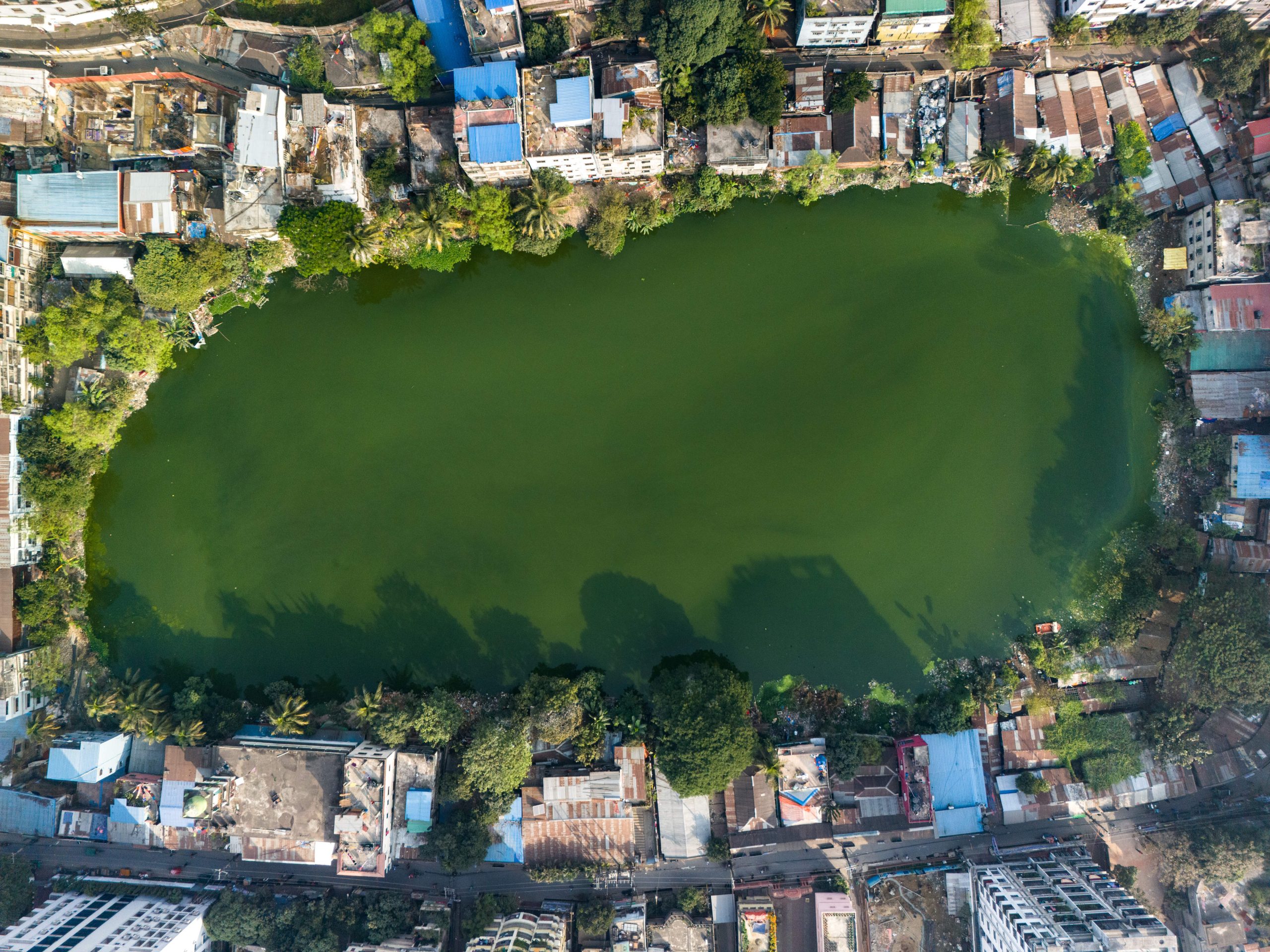
While records showed 4,597 water bodies in the early 1980s, more than half have now vanished, replaced by apartment buildings, factories, garages, and commercial establishments.

East Sholoshahar Ward has recorded the highest loss, with 225 of its 378 ponds disappearing. In North Agrabad, 204 of the area’s 285 ponds have been filled. Environmentalists warn that these figures represent the gradual destruction of the city’s natural environment.
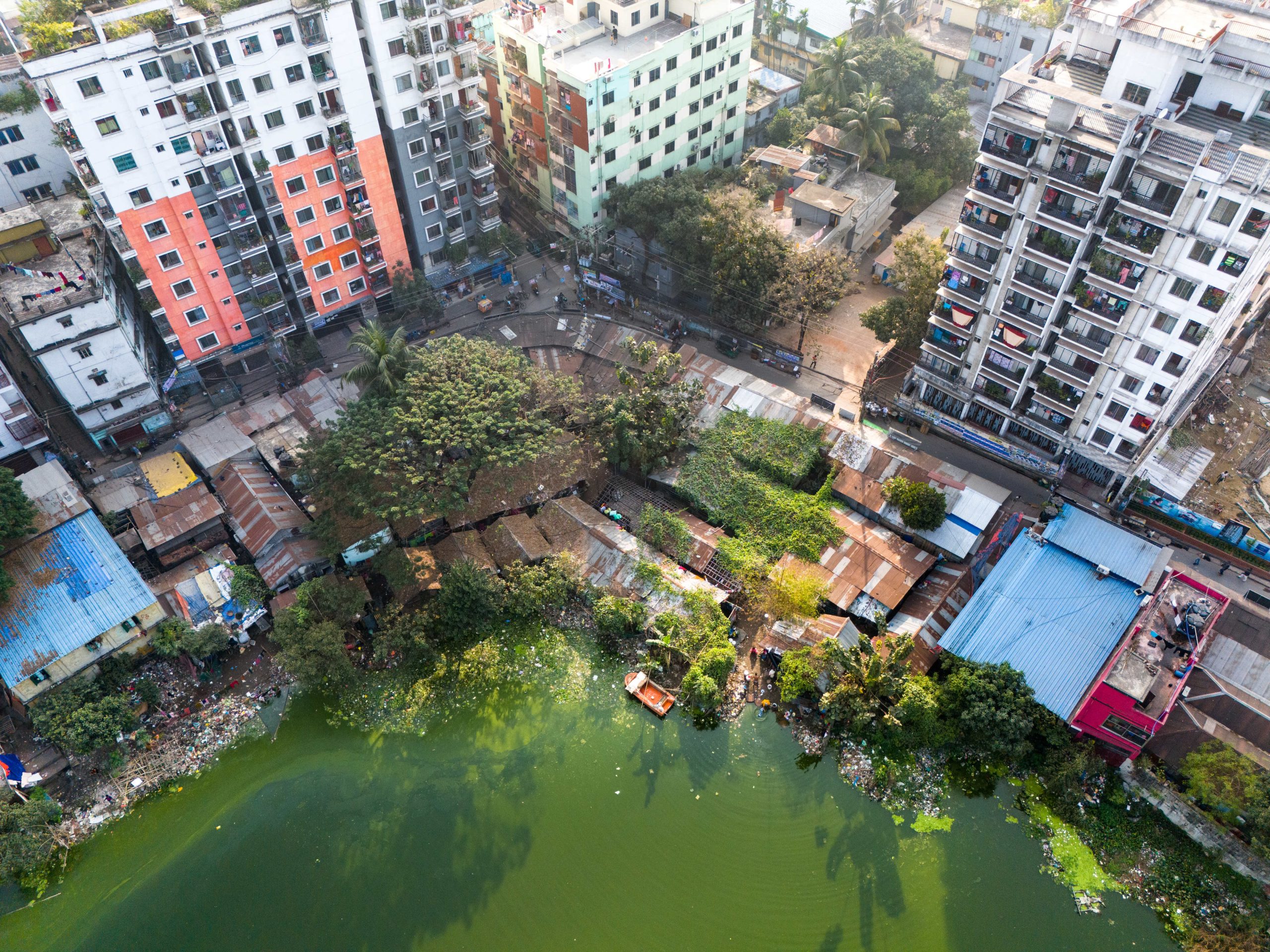
Many neighbourhoods now carry the names of water bodies that no longer exist. Rajapukur Lane in Anderkilla, Michi Pukur in West Madarbari, Dewanji Pukur in Rahmatganj, as well as Komoldoh Dighi and Maillar Dighi in Bahaddarhat, are all examples of ponds that have been buried under concrete.




Rising temperatures, waterlogging
Experts state that ponds and green spaces are essential for maintaining environmental balance. Their disappearance is turning Chattogram into an “urban heat island,” where concrete structures and roads trap heat.
Climate experts note that the loss of the natural cooling process means temperatures can feel 5 to 7 degrees Celsius higher than actual readings.
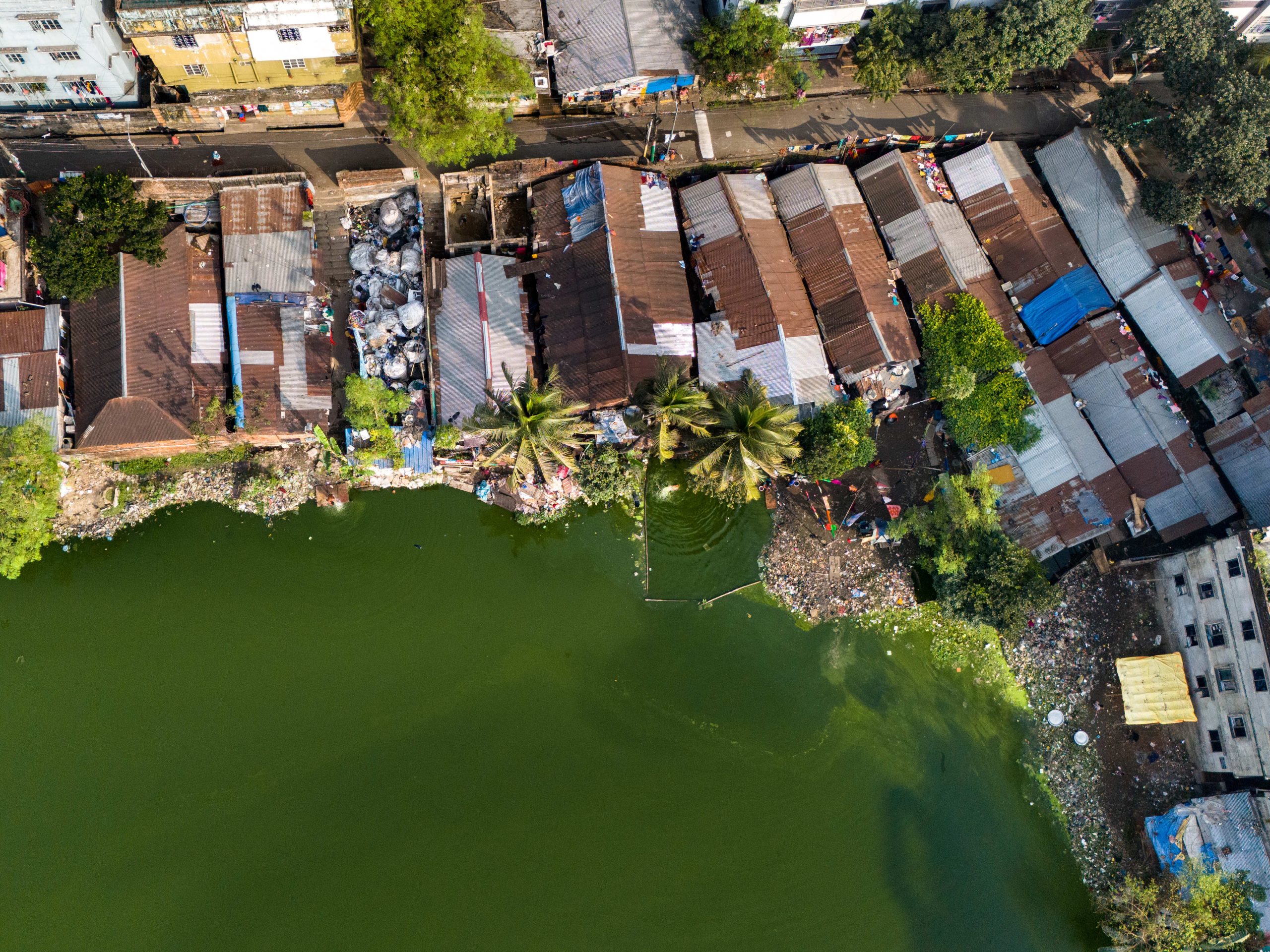
The loss of these natural reservoirs has made city management more difficult. Previously, ponds stored rainwater during heavy downpours; now, the water quickly floods streets and low-lying areas, increasing the severity of waterlogging.
Fire Service officials have also expressed concern, noting that the decrease in nearby water sources makes it harder to control major fires as the population grows.
Legal challenges
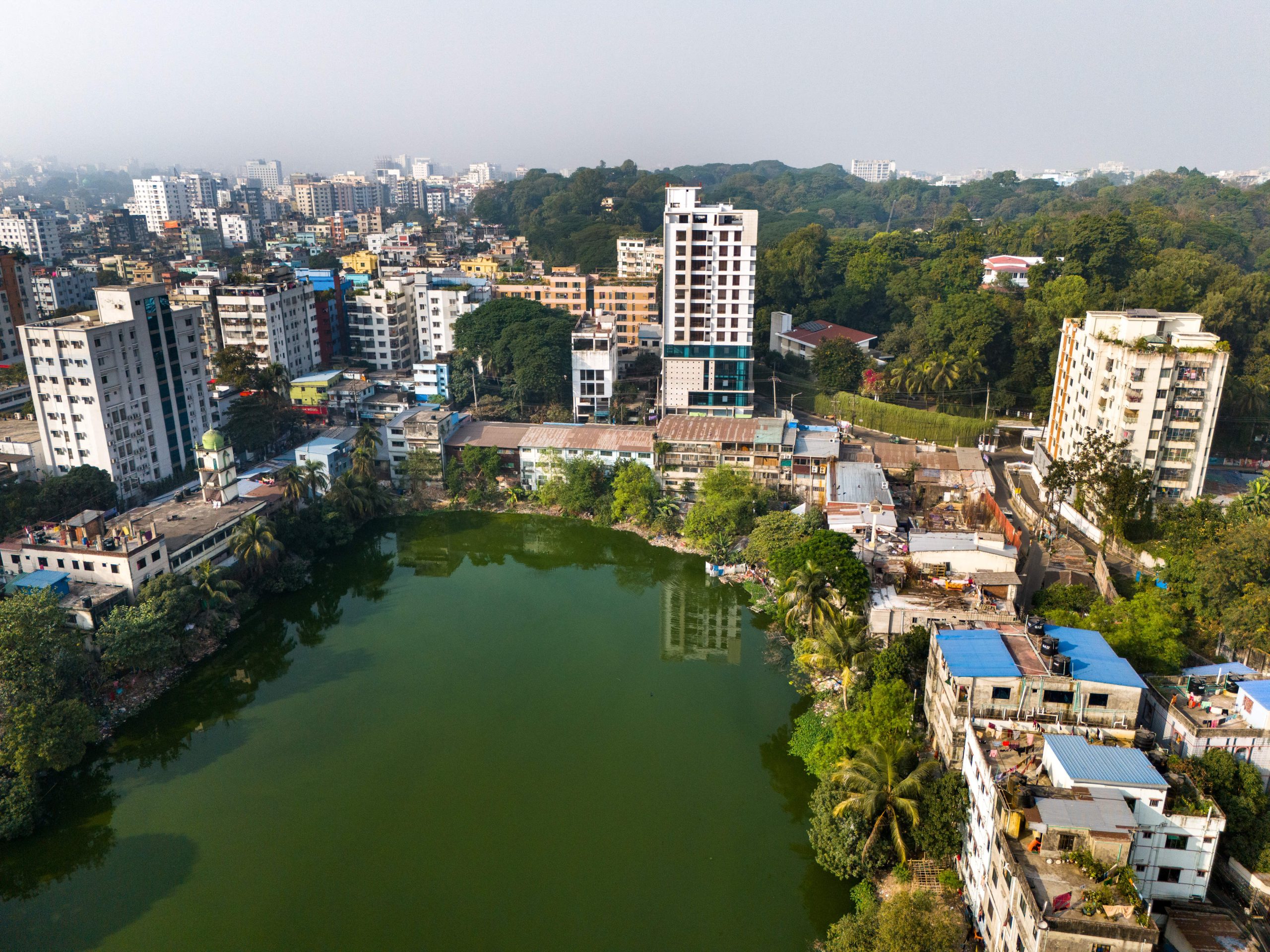
The Water Body Conservation Act, 2000, prohibits the filling of ponds and lakes. However, influential individuals, developers, and businesses reportedly continue the practice.
While CDA officials state that permission is denied for construction on ponds larger than 15 kathas and protection measures are included in the new master plan, experts argue that stronger enforcement is vital.
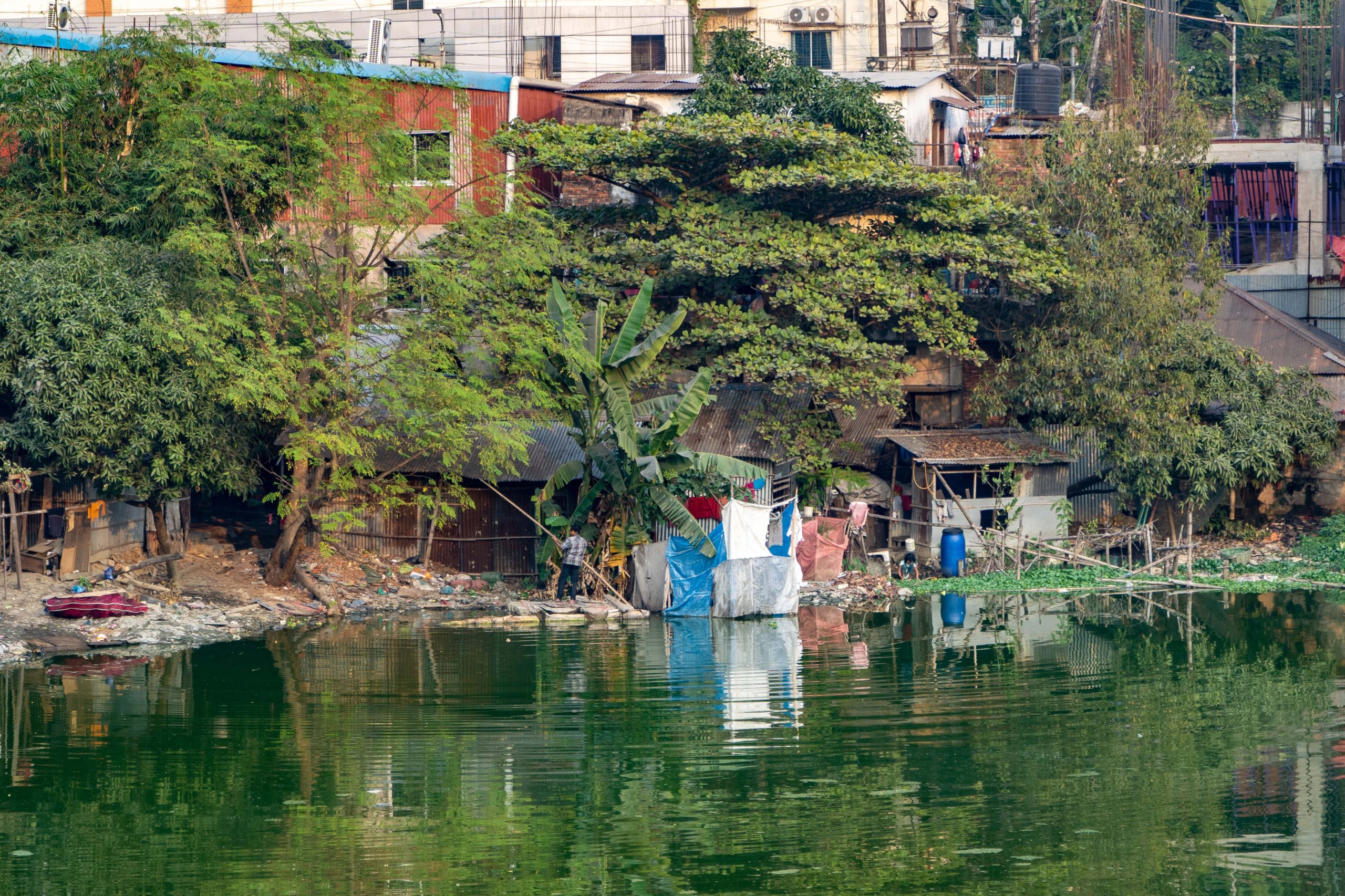
Speaking to TIMES of Bangladesh, urban and environmental expert Kazi Ashikur Rahman Araf said, “The ponds of Chattogram are not just water bodies, they are part of the city’s natural infrastructure. Unplanned urbanisation and weak monitoring have caused many ponds to disappear. This is increasing temperatures, waterlogging, groundwater depletion, and biodiversity loss”.
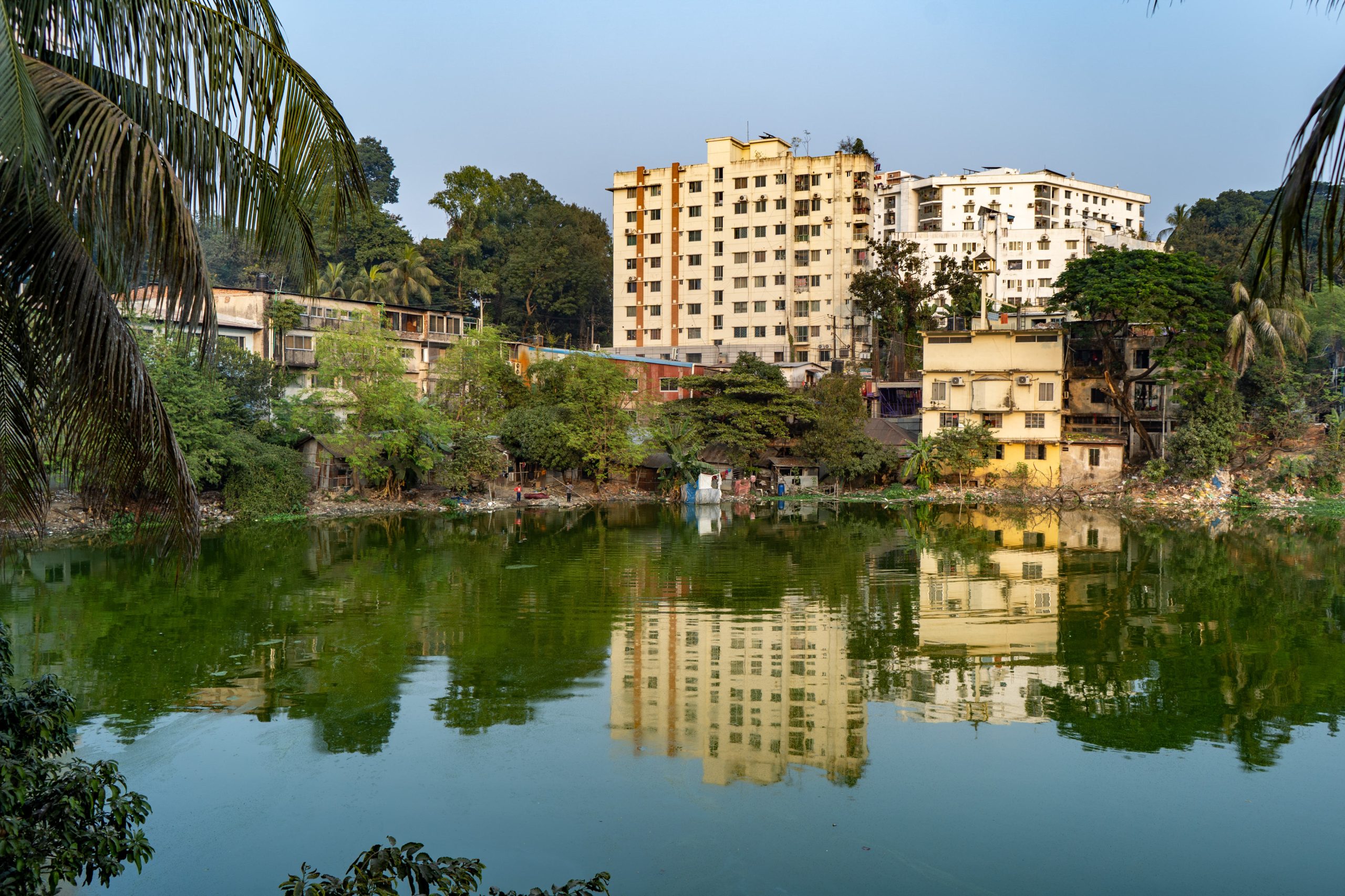
Araf further urged that all water bodies be digitally mapped and that important ponds be declared protected areas. “Strong action is needed against illegal filling and encroachment. Sustainable development is only possible when environmental protection and development go hand in hand,” he added.