
An elephant can walk dozens of kilometres in a single day through the forest. It remembers water sources, follows ancient migration routes, and lives in close family groups.
In Bangladesh, however, not every elephant grows up knowing the forest.
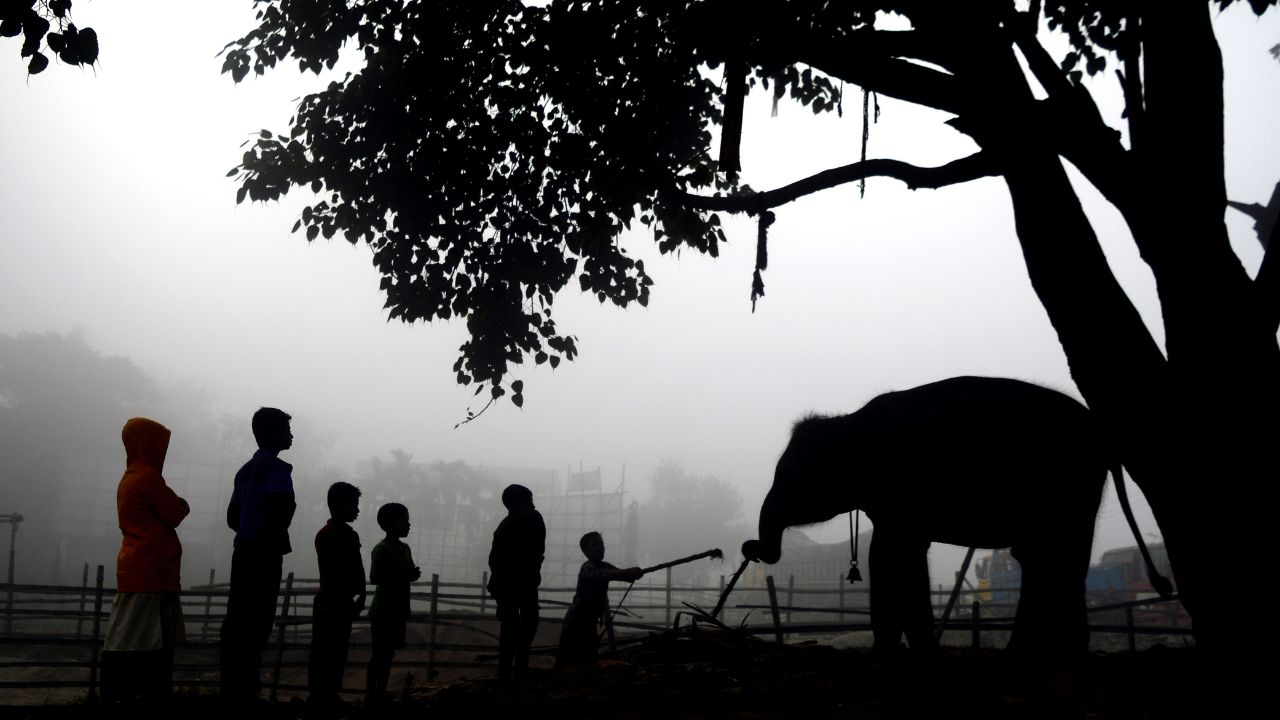
Some are born into captivity. Others spend their lives working alongside people. For generations, they have travelled with circuses, appeared at festivals, and earned money on city streets.
As those traditional livelihoods disappear, many captive elephants remain caught between a past that no longer exists and a future that has yet to be imagined.

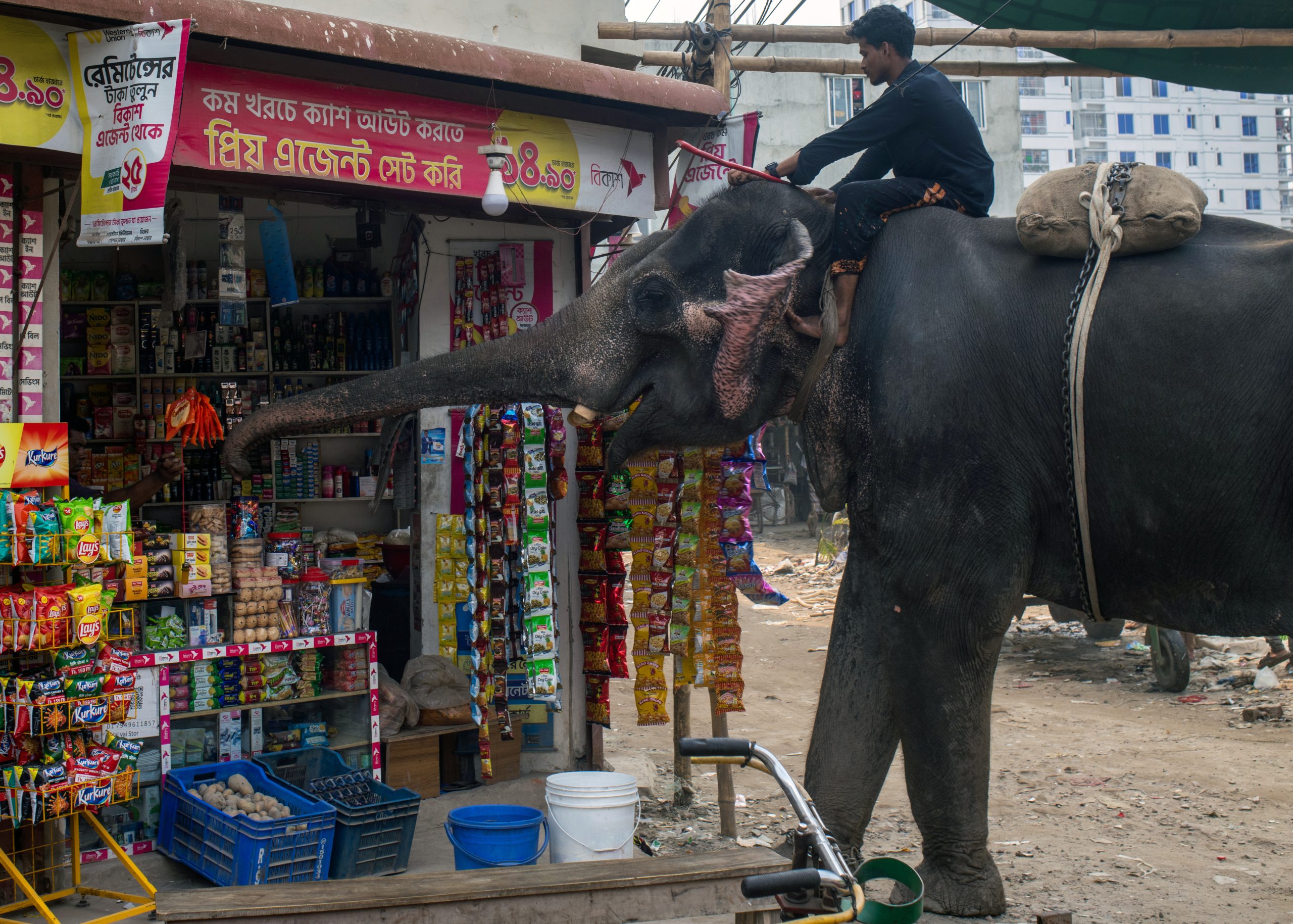
Every day, “mahouts” – a person who rides, trains, and cares for an elephant – take their elephants into busy towns and cities, hoping to earn enough money to feed them. Caring for an elephant is expensive, and many owners have few alternatives.
But the streets offer little that an elephant naturally needs. Concrete replaces soil. Traffic replaces silence. Crowds replace the social bonds of a herd.


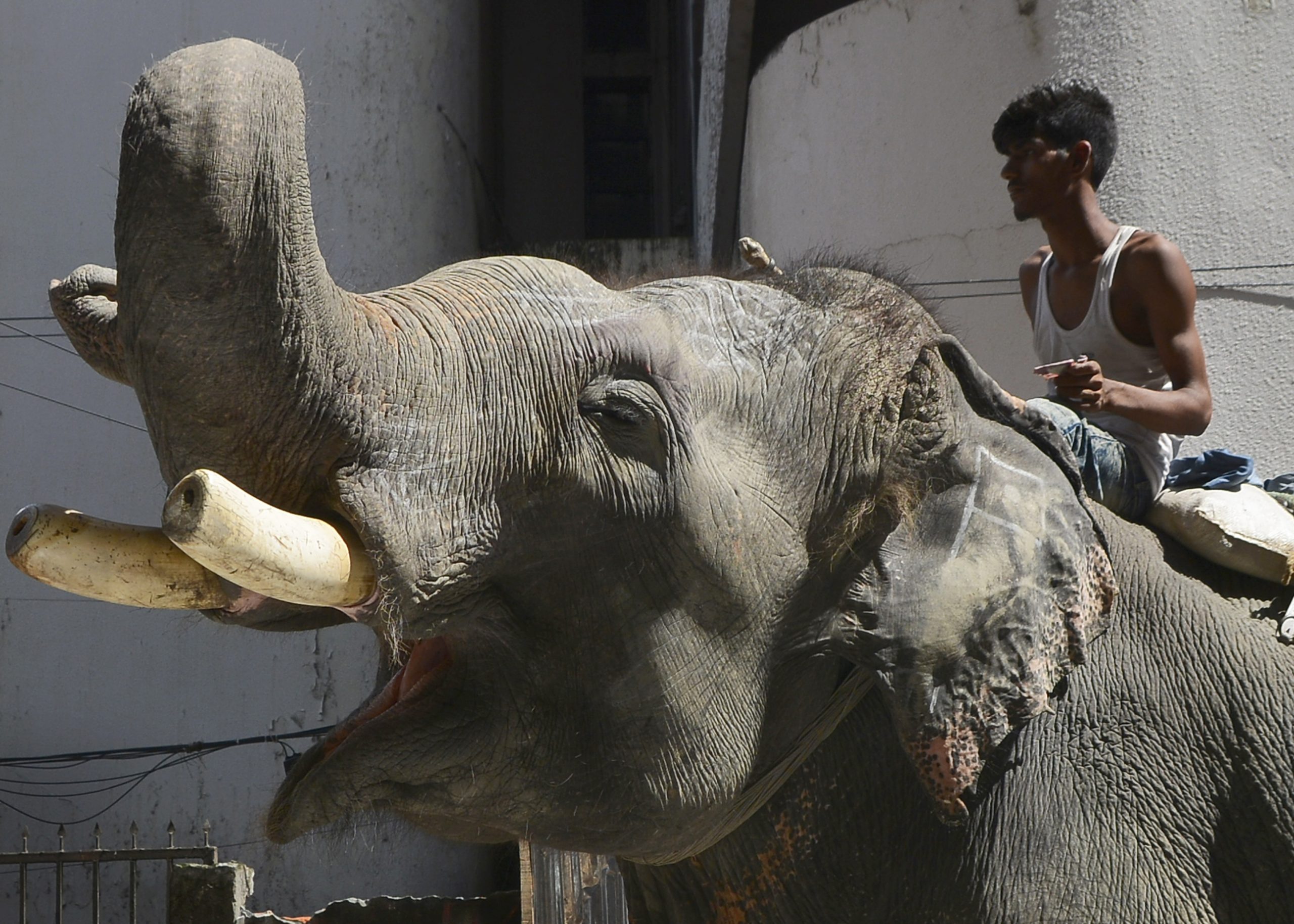
Years of work often leave visible scars. Worn feet, damaged tusks, and declining health tell stories that words cannot fully explain. For many elephants, life continues until their bodies can no longer keep pace with the demands placed upon them.
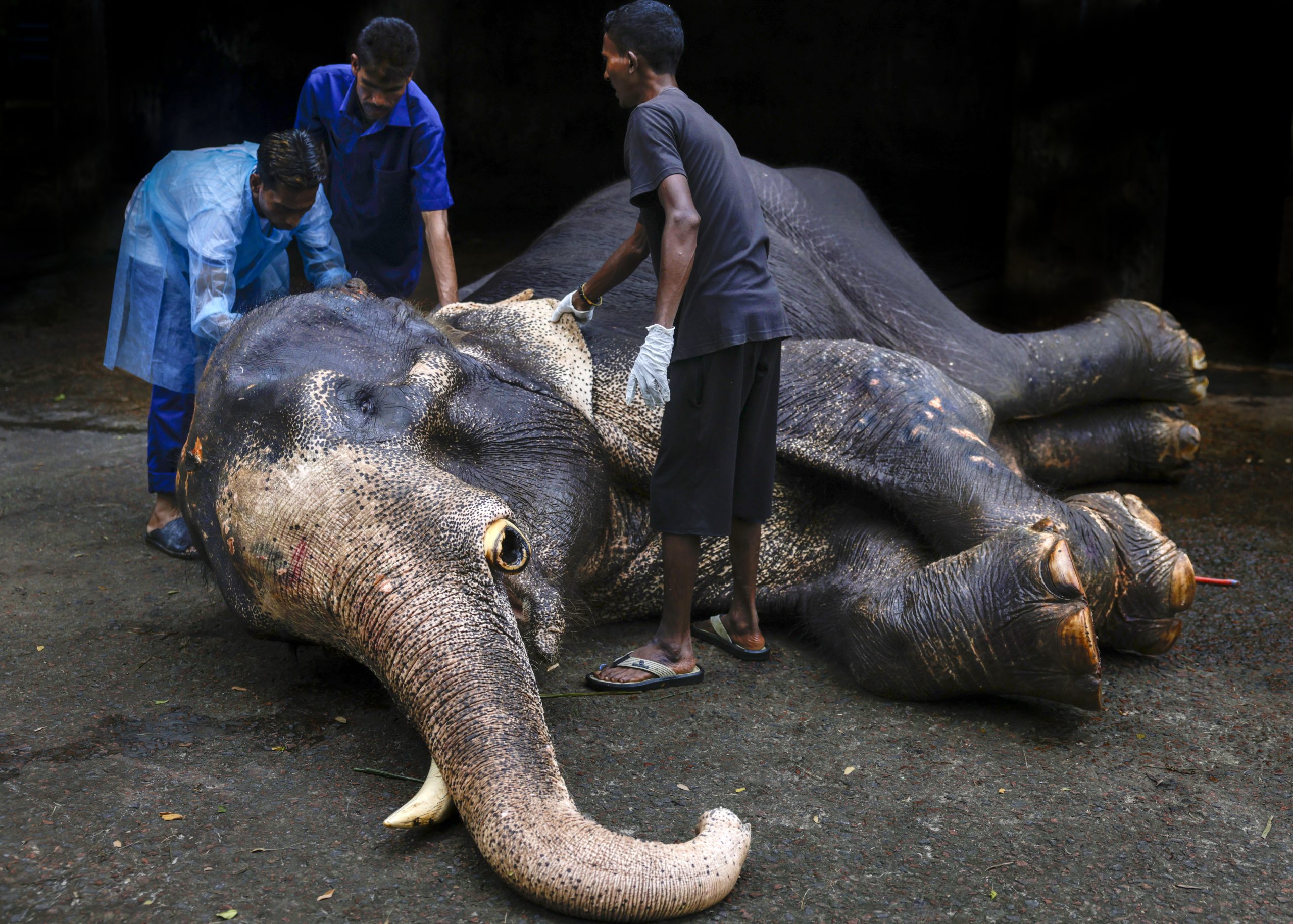
Badsha Bahadur is one of those elephants. After years in captivity, he now resides in the Bangladesh National Zoo, where veterinarians are treating the injuries and illnesses that come with age and a lifetime of work.
Unfortunately, his story is not unique. It reflects the uncertain future facing many captive elephants across Bangladesh.
The Asian elephant is an endangered species, and much attention is rightly given to protecting those that still survive in the wild.
Yet another question receives far less attention: What responsibility do we have for the elephants whose lives have been shaped almost entirely by people?
Their future is not merely an issue of conservation issue, but of compassion. When the work is over, what do we owe the animal that spent its life serving us?