




Businesses have demanded the adjustment (refund) of the advance tax paid at the import stage, as the practice of collecting advance tax has been in place in the country for a long time.
The total claims for this refund amounted to Tk 1,466 crore in September, an increase of Tk 152 crore compared to August.
According to sources from the National Board of Revenue (NBR), a total of 711 applications were pending for refunds at the end of September.
The practice of advance tax collection at the import stage dates back to the British era. Under Section 31 of the VAT Act, importers are required to pay advance taxes at a rate of 3 percent for imported goods and 5 percent for other goods.
However, the NBR has raised this rate to 7.5 percent for the current fiscal year. As per the regulations, each registered importer can adjust the advance tax in a manner that reduces the amount during the relevant tax period or the subsequent four tax periods. The commissioner will resolve the adjustment based on the procedures upon receiving the application.
Section 155 of the Income Tax Ordinance states that the minimum tax payable as advance tax can be paid in four equal instalments.
The NBR sources confirmed that the business community has requested a refund of Tk 1,466 crore based on the 711 applications. In September, 57 new applications were submitted across seven VAT Commissionerates and the Large Taxpayers Unit (LTU), requesting a total of Tk 152 crore as advance tax refunds.
The applications included 163 submissions at the Dhaka North VAT Commissionerate, claiming Tk 340 crore, 165 submissions at the Dhaka South VAT Commissionerate, requesting Tk 207 crore, 42 submissions at the Dhaka East VAT Commissionerate, seeking Tk 249 crore, and 67 submissions at the Dhaka West VAT Commissionerate, demanding Tk 67.74 crore.
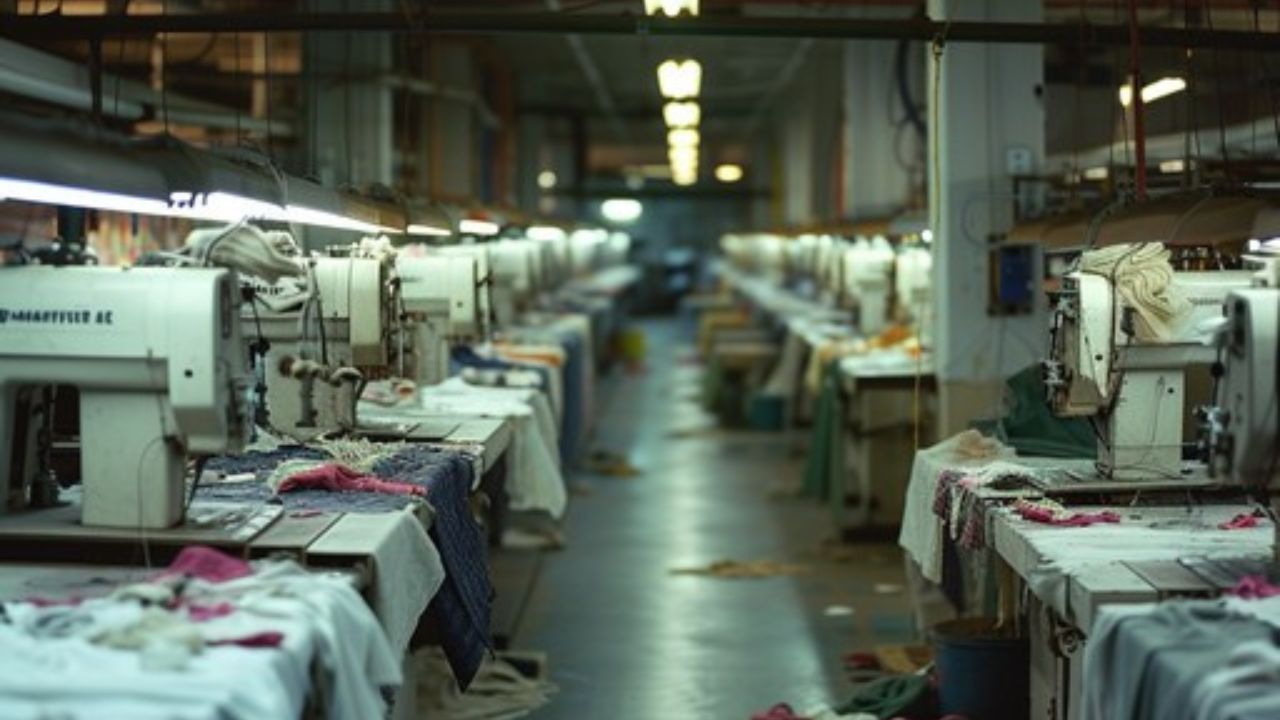
Industries particularly concerned about advance tax adjustments include the textile industry, which is affected by raw materials like cotton and man-made fibre, and essential food products like potatoes, onions, lentils, sugar, and flour. Medical equipment such as wheelchairs, angiographic catheters, and hearing aids are also impacted.
The Chattogram port saw the highest number of applications for advance tax adjustments, with 193 applications claiming Tk 455.19 crore. In Jessore, 9 applications were made, claiming Tk 5.14 crore, and in Sylhet, 9 applications requested Tk 61.62 crore. Other areas such as Rangpur, Rajshahi, and Khulna saw smaller applications, with claims for Tk 7.73 crore, Tk 11.42 crore, and Tk 6 crore, respectively.
Additionally, 6 applications from the LTU requested a total of Tk 49.15 crore.
VAT Consultant Association President Md Hasanul Islam Tipu said that historically, advance tax was collected at 3 percent for special items and 5 percent for regular items. However, in the current fiscal year, the rate has increased to 7.5 percent.
Tipu highlighted that this increase has caused liquidity issues for businesses and contributed to inflation due to the higher cost of goods. He suggested that businesses could transfer tax through VAT returns, allowing one business to transfer a 6.3 percent value to another, as a possible solution to ease cash flow problems.
Belal Khan, Managing Director of BD Paints, told TIMES that refund adjustments would help working capital remain intact, thus increasing business activity. He added that larger businesses would particularly benefit from such adjustments.
Under Section 155 of the Income Tax Ordinance, businesses can pay 25 percent of their advance tax in four instalments: 15 September, 15 December, 15 March, and 15 June each year. The law also stipulates 53 sources for tax deductions.
A senior official from NBR’s Customs Department remarked that while advance tax is collected, businesses often don’t receive refunds. He pointed out that some businesses inflate their prices under the assumption that they won’t receive the refund, treating the amount as profit once refunded.
Chartered Accountant Snehashish Barua, Director of SMAC Advisory Services Limited, emphasized that quick adjustments would ease businesses’ financial burden. He suggested that businesses would regain confidence if they could get the refunds quickly after necessary verifications, knowing that the extra VAT they paid would be refunded.


