







To most nature lovers, Cox’s Bazar is synonymous with the vastness of the sea, yet behind the popular beach town lie hidden hilly forests, ancient archaeological relics, and stories from the nation’s final frontier.
For those seeking to escape the usual crowds of Sugandha or Kolatoli to find a unique travel experience, these lesser-known destinations offer a fresh dimension that stretches from mountain peaks to the Naf River estuary.
Hilly Charm of ‘Mini Bandarban’
Located approximately 20 kilometres from the main town via Marine Drive, a hilly section of Ramu Upazila has earned the moniker ‘Mini Bandarban’ among tourists. Characterised by undulating roads and dense greenery that mirror the Bandarban landscape, the area is accessible from the city by reserved Easybike or CNG.
Visitors can enjoy the scenic slopes and winding roads near Reju Khal while also exploring the ancient Buddhist temples, or kyangs, found throughout Ramu.
A primary attraction is the 100-foot-long reclining Lion Buddha statue in North Mithachhari, which stands as a hilltop testament to Buddhist heritage.

Tracing the footsteps of Captain Cox
The historical identity of the town is inextricably linked to Captain Hiram Cox, the British officer after whom it is named. His bungalow, a silent witness to the region’s past, is situated in Ramu Upazila and remains a key site for history enthusiasts.
Historically, the area was known as Palongki before being renamed in the Captain’s honour. Within the city limits, other significant spiritual and historical landmarks include the Aggmeda Khyang and Maitree Vihar.
Southern frontier at Shah Porir Dwip
At the furthest southern tip of Teknaf Upazila lies Shah Porir Dwip, positioned at the unique confluence where the Naf River meets the Bay of Bengal.
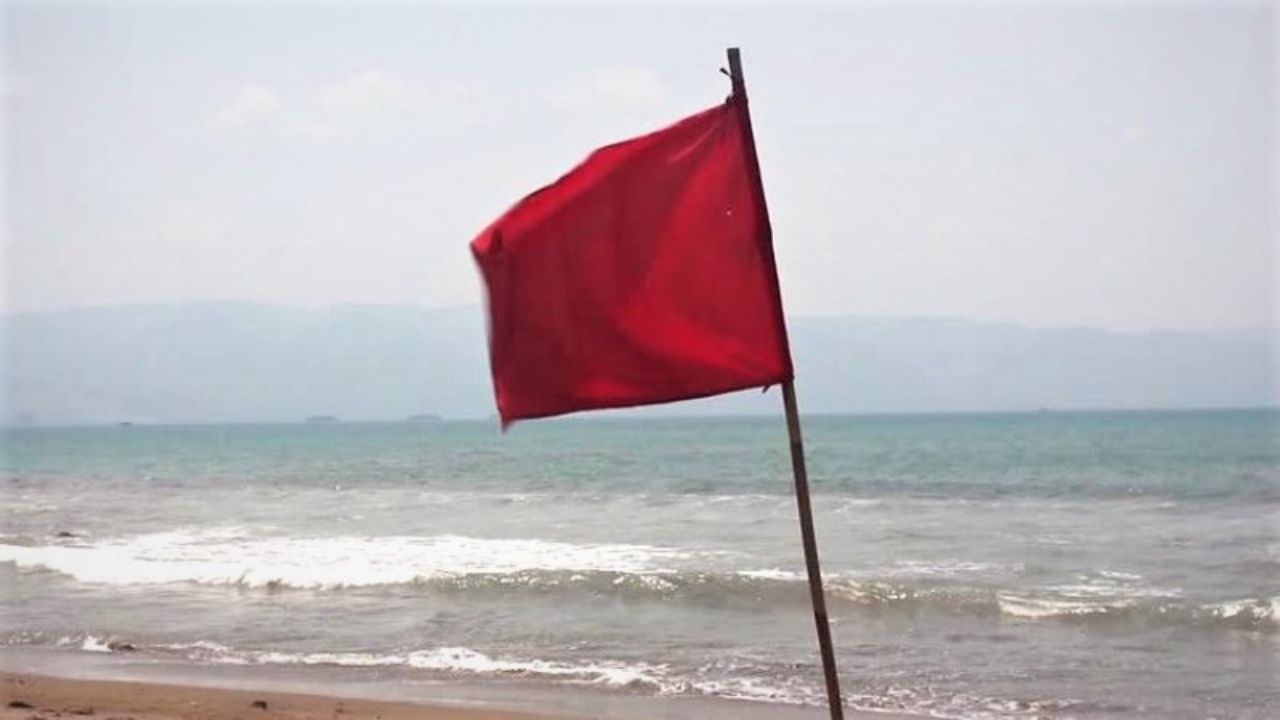


Famous for its primitive natural beauty, the journey from Teknaf via Sabrang offers a striking view of the blue sea on one side and the Myanmar hills across the Naf River on the other.
Due to improved infrastructure, it is now possible for tourists to complete the trip to this southern settlement and return to Cox’s Bazar within a single day.
A structured three-day itinerary
A 3-day, 2-night plan is recommended to cover these sites while using the main town as a convenient base for dining and accommodation.
On the first day, tourists can use rickshaws or “Tomtoms” (electric easy-bikes) to visit Aggmeda Khyang and Maitree Vihar in the morning, followed by Captain Cox’s bungalow in Ramu.
After lunch at a popular city restaurant, the afternoon can be spent at Sugandha or Laboni Beach to watch the sunset, followed by evening shopping at the Burmese Market.
The second day focuses on an early morning departure to the ‘Mini Bandarban’ area near Reju Khal. Travelling by reserved CNG or ‘Auto’, visitors can enjoy the natural scenery before visiting the 100-foot Buddha, the Ramu Seema Vihar, and various other ancient kyangs.
On the return journey, the twilight sky can be viewed from the peak of Himchhari hill. The final day is reserved for an adventurous journey to Teknaf via Marine Drive.
Using a reserved jeep, “Chander Gari,” or CNG-run autorickshaw, travellers can visit Mathin’s Well – located inside the local police station – before proceeding to where the river and sea meet at Shah Porir Dwip. Visitors should head back to Cox’s Bazar by the afternoon.
Essential guidance and safety for travellers
Proper logistical planning is required, and it is advisable to arrange and fix transport in advance for the second and third days of the itinerary.
While local jeeps or CNGs are available for those on a budget, reserving a microbus or a jeep is recommended for groups to ensure a comfortable journey.
It is essential for travellers to carry their National Identity Cards (NID) when visiting border areas like Teknaf and Shah Porir Dwip.
Regarding local cuisine, the markets in Ramu or hotels in Teknaf town are recommended for their fresh maritime fish and traditional bhortas. For general dining, the various restaurants within Cox’s Bazar town remain the most convenient option.


