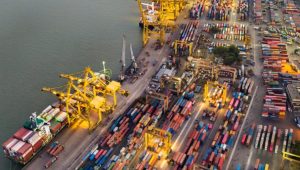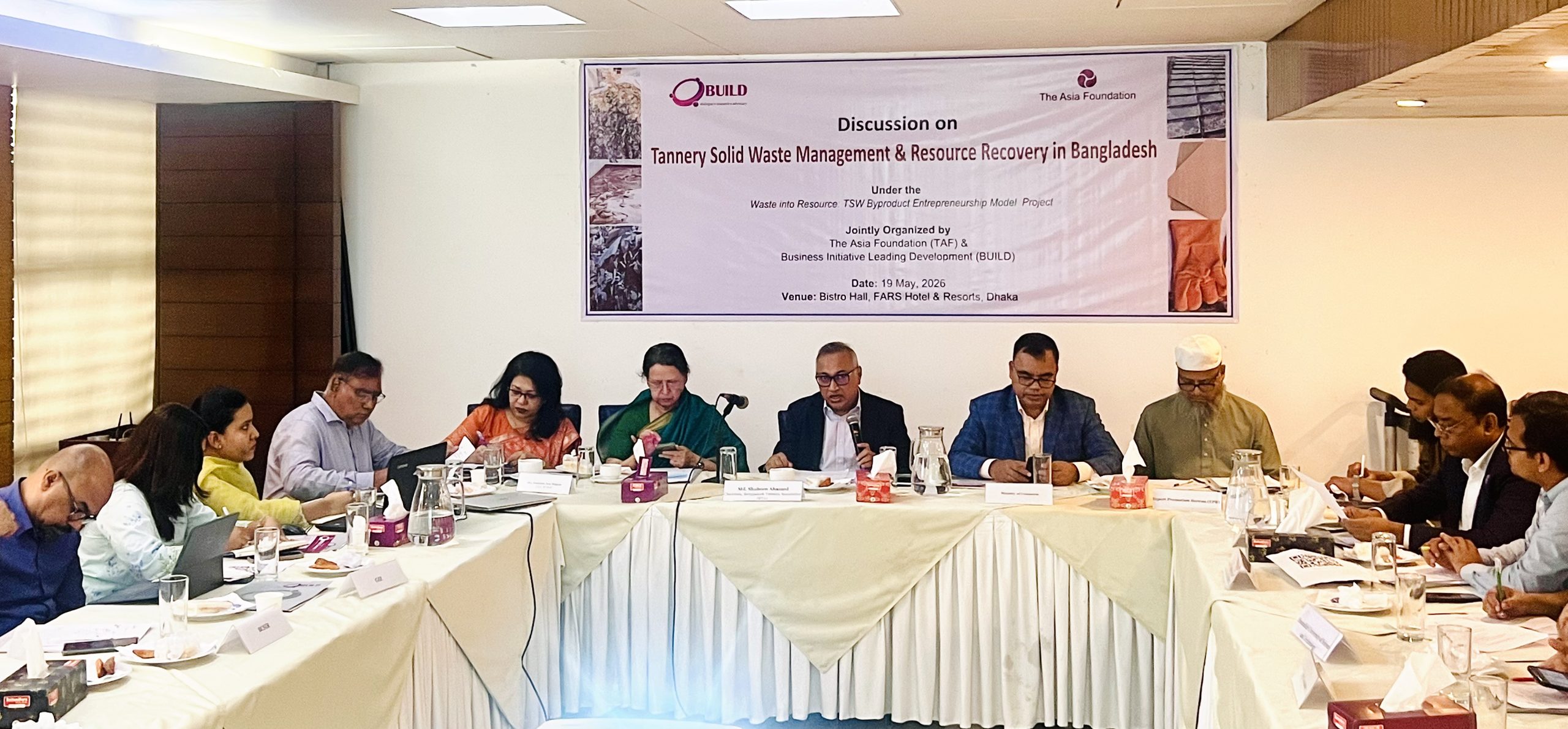



Bangladesh continues to dump about 50 per cent of tannery solid waste (TSW) untreated despite growing demand for recycled leather byproducts, undermining export competitiveness and slowing the transition to a circular leather economy, industry stakeholders said on Monday.
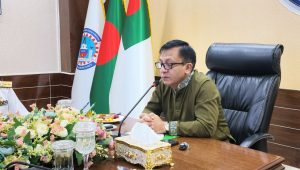
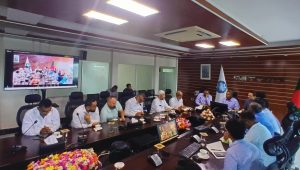
The concerns were raised at a focus group discussion on TSW management organised by Business Initiative Leading Development (BUILD) with support from The Asia Foundation (TAF) under the “Waste into Resource: TSW Byproduct Entrepreneurship Model” project.
BUILD CEO Ferdaus Ara Begum said around half of TSW is disposed of without treatment, with fleshings and toggle trimmings accounting for most dumped waste.
She said weak environmental compliance following the relocation of tanneries from Hazaribagh to Savar has prevented exporters from securing premium global prices despite the presence of South Asia’s largest Central Effluent Treatment Plant (CETP) at the Savar Tannery Estate.

Stakeholders said Bangladesh still imports products such as poultry feed, animal feed and industrial materials that could be produced locally from tannery waste because of infrastructure gaps, fragmented supply chains and weak coordination.
BUILD Research Associate Tanjila Marjahan said Bangladesh generates between 73,000 tonnes and 90,000 tonnes of TSW annually, much of which remains untreated despite strong commercial potential.
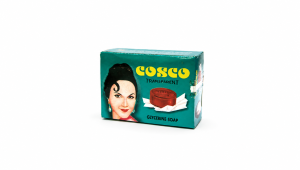
She said waste streams including fleshings, raw trimmings, split leather waste and shaving dust are already being used informally to produce gloves, gelatin, glue, leather board, shoe soles, soap and small leather goods, though the sector remains fragmented and largely outside formal industrial structures.


Bangladesh Tanners Association (BTA) Chairman Md Shaheen Ahamed said effective management of both liquid and solid waste is essential for securing Leather Working Group (LWG) certification, a key requirement for higher-value export markets.
He said management of the Tannery Industrial Estate Dhaka (TIED) is being transferred from Bangladesh Small and Cottage Industries Corporation (BSCIC) to Bangladesh Economic Zones Authority (BEZA), a move he said could create additional pressure for small entrepreneurs through new lease requirements.
He added that an EU-supported initiative has shown interest in establishing an advanced CETP at the estate, while land allocation for small TSW industries under the second phase of the Development Project Proforma (DPP) has remained stalled for years.
TAF Senior Project Manager A M Sajjad Hossain Khan said circular economy solutions in the leather sector require stronger integration of SMEs and informal operators alongside coordinated action among government agencies, businesses and development partners.
Ministry of Industries Deputy Secretary Md Khairuzzaman said plot allocation for TSW entrepreneurs at the Savar estate is underway alongside a feasibility study, while preparations for the second phase of CETP implementation are progressing.
University of Dhaka Professor Mohammed Mizanur Rahman said Bangladesh has significant potential to convert TSW into biodiesel, biogas and organic fertiliser but innovators continue to face funding and land constraints for pilot commercialisation projects.
Entrepreneurs involved in TSW processing said the sector is also facing raw material shortages and inflated costs because of dependence on middlemen and lack of formal collection systems.
Participants said stronger enforcement, policy coordination and industrial investment are needed to formalise tannery byproduct industries and turn leather waste into export-oriented economic activity.