
The Bangladesh government on Tuesday reaffirmed its commitment to preventing and combating the smuggling of migrants (SOM) during a high-level national dialogue held in the capital.
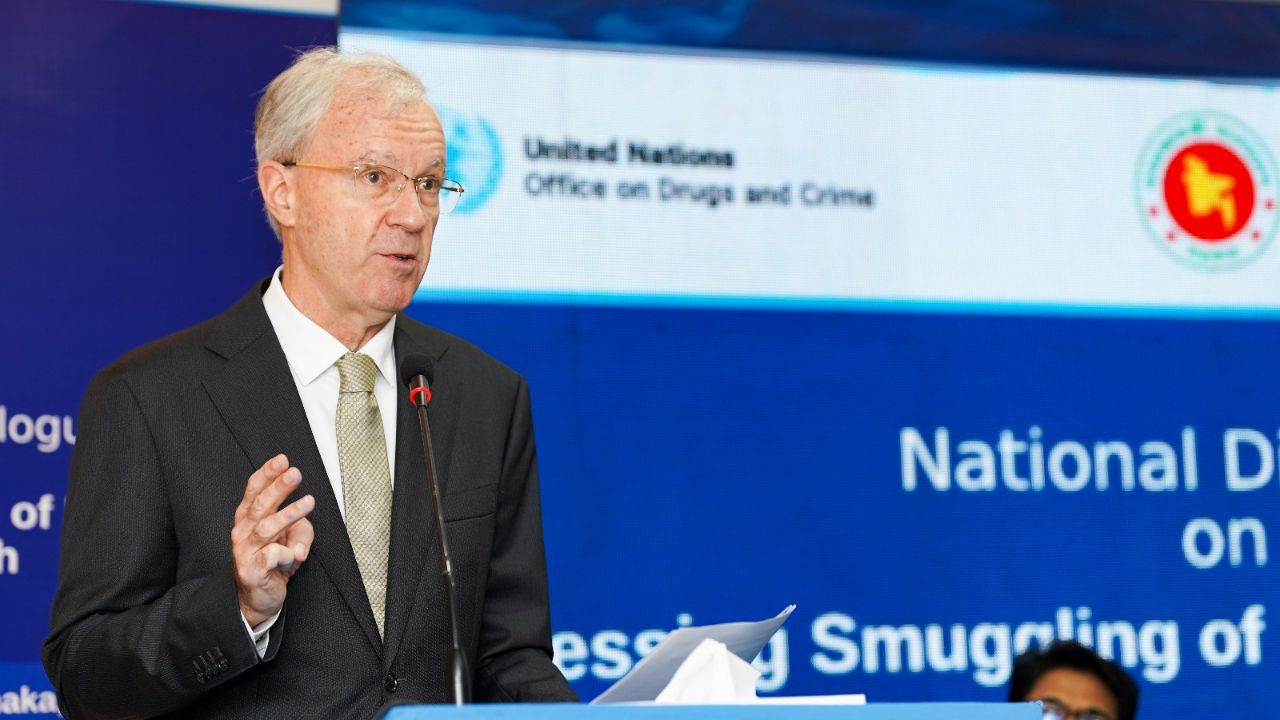
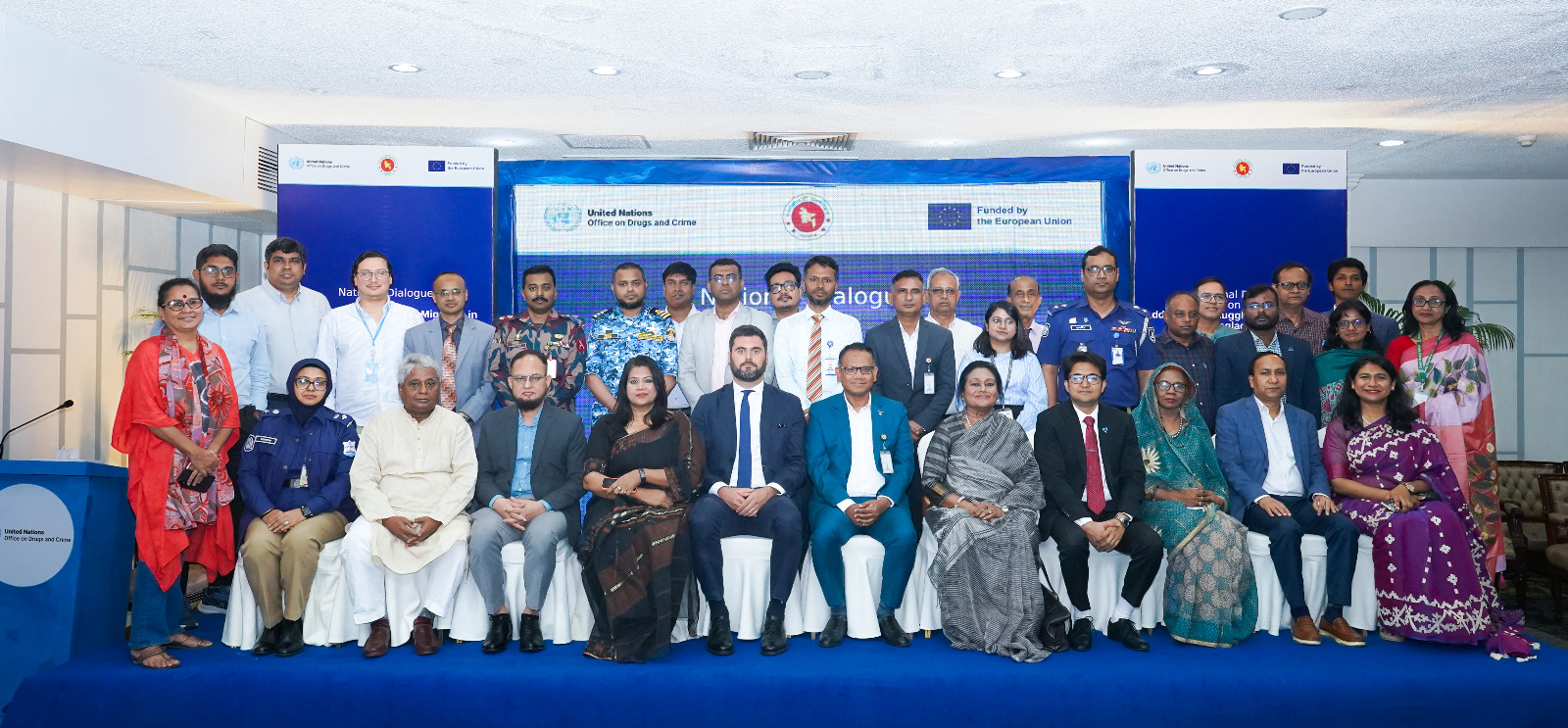
The event, titled “Addressing Smuggling of Migrants (SOM) in Bangladesh: Building a Common Understanding,” was jointly organised by the Ministry of Home Affairs (MoHA) and the United Nations Office on Drugs and Crime (UNODC), read a press release.
The dialogue was conducted under a European Union-funded regional initiative, “Preventing and Addressing Trafficking in Human Beings and Smuggling of Migrants in South Asia.”
The session brought together senior government officials, members of the criminal justice sector, law enforcement agencies, prosecutors, judges, development partners, and civil society organisations.

The primary objective was to strengthen a common understanding of the issue and support the effective implementation of the newly enacted Prevention and Suppression of Human Trafficking and Migrant Smuggling Act, 2026.
As a source country significantly affected by these activities, Bangladesh continues to grapple with the devastating human consequences of organised criminal networks that exploit vulnerable individuals seeking opportunities abroad.




Recent tragedies along the Mediterranean migration route have further highlighted the urgent necessity for robust national and international cooperation to dismantle smuggling networks and protect the rights and dignity of migrants.
The dialogue focused on translating the 2026 legal framework into practical implementation by promoting shared understanding, strengthening inter-agency coordination, and identifying operational priorities across the criminal justice system.
Speaking at the event, Dr Ziauddin Ahmed, additional secretary of the Ministry of Home Affairs, reaffirmed the government’s determination to address this evolving transnational crime.
“The enactment of the Prevention and Suppression of Human Trafficking and Migrant Smuggling Act, 2026 demonstrates our resolve to address this crime while ensuring the protection, dignity, and rights of vulnerable migrants,” Dr Ahmed said, adding that the dialogue marks a significant step towards effective action.
Representing the European Union, Michal Krejza, Head of Development Cooperation at the Delegation of the European Union to Bangladesh, emphasised the EU’s continued partnership in the region.
He noted that the EU is proud to support Bangladesh in strengthening its institutions and implementing international standards through closer regional cooperation.
The outcomes of the dialogue are expected to contribute to identifying priority areas for policy development, capacity building, and future technical assistance to further strengthen national efforts against migrant smuggling.