
Bangladesh has called for increased grants, concessional financing and technology transfer from development partners, saying it faces an annual funding gap of more than $132 billion to achieve the Sustainable Development Goals (SDGs) through 2030 while continuing to shoulder the cost of hosting 1.3 million Rohingya refugees.
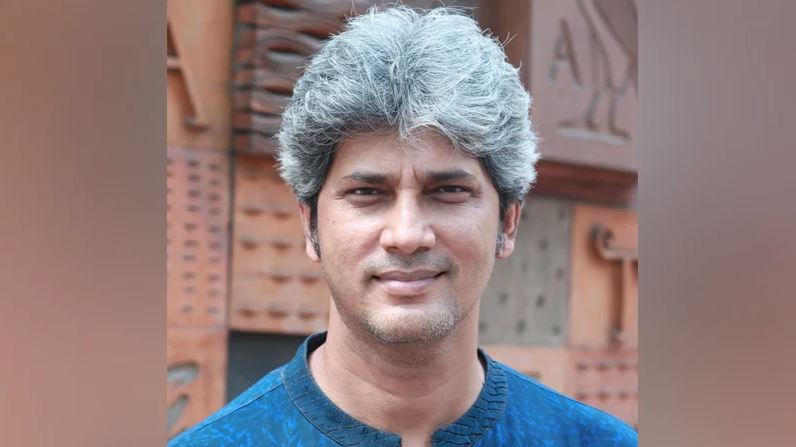
State Minister for Planning Zonayed Abdur Rahim Saki made the call while delivering Bangladesh’s country statement at the General Debate of the High-Level Political Forum on Sustainable Development at the United Nations headquarters in New York on Monday.
Saki said Bangladesh aligns with the statement delivered on behalf of the least developed countries and is participating in the forum with a renewed mandate following February’s “free, fair and credible” election, in which the new government secured an overwhelming two-thirds majority.
According to Saki, the government inherited a fragile economy and weakened institutions and has adopted a three-pronged strategy of “Recovery, Restoration and Reconstruction” to restore stability and lay the foundation for sustainable development.

Bangladesh faces an annual SDG financing gap of more than $132 billion until 2030, with the largest investment needs in clean energy, economic growth and infrastructure, he said.
The country is also facing a 37 per cent funding gap for 1.3 million Rohingya refugees, leaving an immediate shortfall of about $261 million.



Despite these fiscal pressures, Bangladesh remains committed to advancing the SDGs, including reducing extreme poverty, maintaining near-universal primary school enrolment and strengthening climate resilience, according to Saki.
He said the country is pursuing a “transformative journey” under Prime Minister Tarique Rahman’s leadership through its Five-Year Strategic Framework, the United Nations Sustainable Development Cooperation Framework and preparations for graduation from least developed country status.
According to Saki, the government plans to raise spending on education and healthcare to 5 per cent of gross domestic product while scaling up investment in climate adaptation and environmental restoration.
Over the next five years, Bangladesh plans to dredge 20,000 kilometres of rivers and canals to improve water security, reduce flood risks and restore ecosystems. The government also plans to plant 250 million saplings, expand renewable energy, promote green industries and transportation, and develop a carbon market to mobilise green investment and carbon-credit opportunities.
Saki said the government is strengthening domestic resource mobilisation to expand social protection and promote inclusive development. It has introduced a universal life-cycle-based social security programme centred on women to ensure support at every stage of life and launched the Farmers Card to strengthen rural livelihoods, food security and agricultural productivity.
Concluding his statement, Saki urged development partners to provide more grants and concessional financing, transfer technology and accelerate action towards achieving the SDGs so that no one is left behind.
“Bangladesh stands ready to reform, invest and deliver for better implementation of the SDGs,” he said.