Bangladesh’s $39 billion garment industry, which has grown from a collection of small sweatshops into the world’s second-largest apparel exporter, is now facing a critical transition toward man-made fibres (MMF) and locally produced high-value trims.
As the nation nears graduation from “Least Developed Country” (LDC) status, the loss of duty-free trade benefits and rising regional competition from lower-cost producers like Ethiopia and Cambodia are necessitating a pivot from basic cotton garments to more sophisticated, value-added production.
This evolution is being led by forward-thinking manufacturers who are investing in technical infrastructure to overcome logistical hurdles and meet the stringent sustainability demands of global brands, according to an analysis by Forbes’ Brooke Roberts-Islam.
Vertical integration and the synthetic frontier
The scale of Bangladesh’s success is evidenced by its export trajectory, which has surged from $31 million in 1983 to a projected $39 billion by 2025. This 1,000-fold increase was originally built on low-cost labour and expertise in cotton-rich textiles.
However, according to World Bank analysis, the industry has reached the limits of this traditional model and must now expand beyond final assembly.

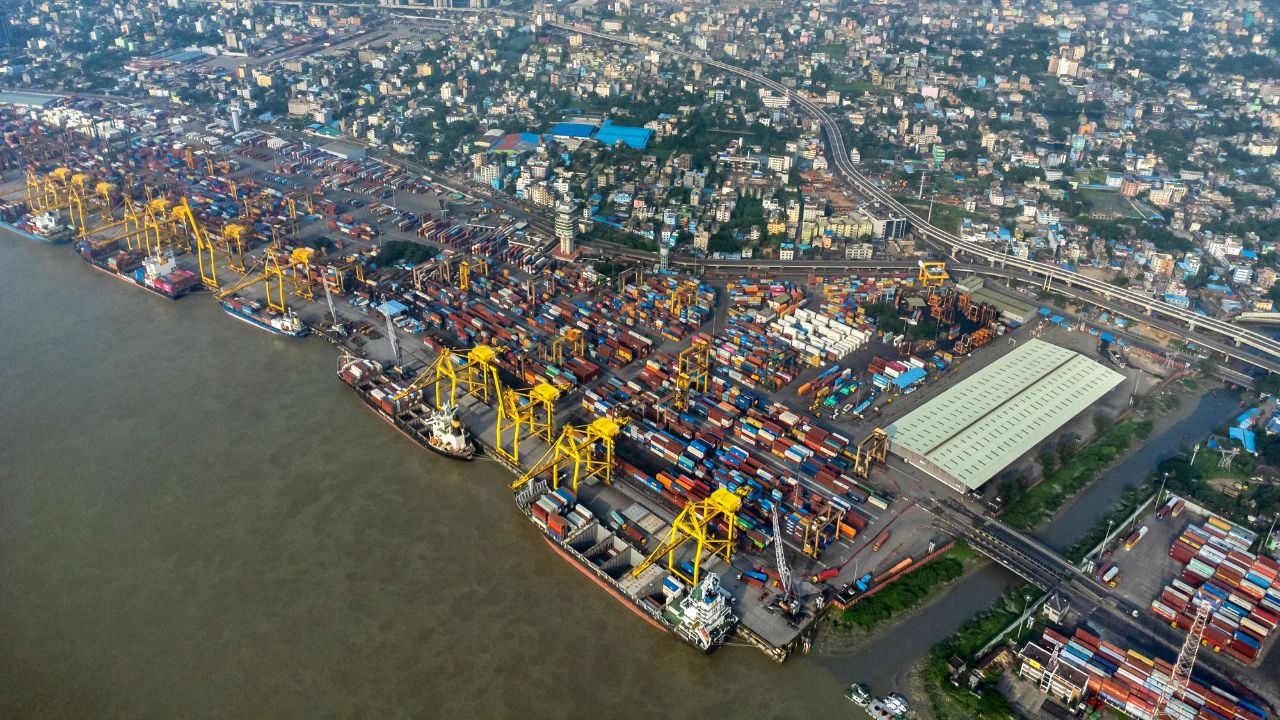
A primary challenge is the reliance on imported technical fabrics. For example, bringing specialised materials from China to Bangladesh can take a month via Chittagong’s deep-sea port, compared to just two days within China.
To mitigate these supply chain risks, companies like Viyellatex are pursuing vertical integration. Established in 1996, Viyellatex expanded into yarn spinning and textile production specifically to address the “pain” of supply bottlenecks.
Under the leadership of founder David Hasanat and his son, Director Amir Hasanat, the firm is now focusing on synthetics as the next essential journey.

While Viyellatex has already conducted test runs for synthetic assembly, Amir Hasanat noted that the transition requires new expertise to manage technical issues like snagging and rigorous quality control.

Similarly, UK-based Equip Outdoor Technologies, which owns the Rab and Lowe Alpine brands, has expanded its Bangladeshi production from basic cotton t-shirts to synthetic insulation jackets and taped rainwear.
Matthew Bingham, the company’s sourcing director, stated that the move to Bangladesh was partly driven by the inability of preferred factories in China to recruit workers as that economy progresses.
Localising the supply chain: The trims revolution
A critical but often overlooked segment of the industry is the production of trims – components such as elastics, labels, and drawcords – which are technically demanding and capital-intensive.
Harnest, a local producer acquired by the pharmaceutical conglomerate Drug International Limited in 2015, is one of the few firms tackling this challenge at scale.



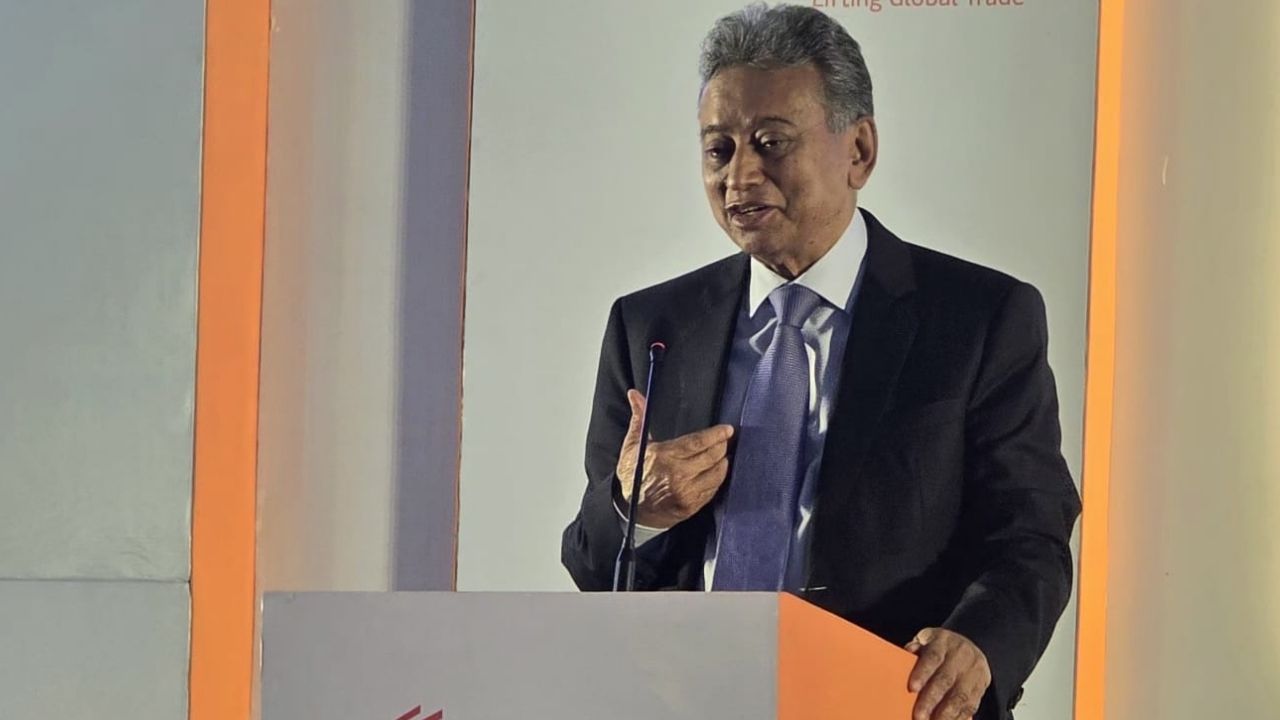
Harnest Chief Executive Assef Shaikh explained that setting up a trims facility requires significantly more capital than a standard garment factory.
By leveraging the reserves of its debt-free parent company, Harnest has increased its capacity tenfold over the past two years, including the installation of a landmark zero-wastewater-discharge plant.

Harnest’s strategic focus is its “Responsible Trims Collection,” which utilizes recycled and biodegradable raw materials to meet the sustainability targets of major global brands.
Major consumers like Lululemon have set ambitious goals, such as using 100% preferred materials by 2030, but have often struggled to find recycled fibres at a commercial scale.
To bridge this gap, Harnest has partnered with global feedstock providers including OceanSafe, Ambercycle, and Indorama Ventures to secure lower-impact raw materials.
By establishing direct sourcing agreements with brands, Harnest aims to replace imported conventional trims with locally manufactured alternatives, offering more flexible lead times and reducing overall supply chain volatility.
Overcoming technical knowledge, perception gap
Despite these infrastructure investments, the industry still faces a “technical knowledge gap” that can limit the expansion of high-end production.
Ashish Ahlawat, Head of R&D at Swedish retailer Ridestore, noted that while Bangladeshi suppliers demonstrate beautiful craftsmanship, they often lack the “back office” rigour and detailed data documentation – such as thorough Fabric Datasheets (FDS) – required for technical outdoor gear.
Currently, Ridestore sources polyester textiles from Bangladesh but sends them to Vietnam for final garment construction. Ahlawat observed that since technical apparel offers higher margins, sourcing decisions are based on systematic rigour rather than just price.

A World Bank report suggests this innovation gap is partly due to the dominance of family-owned businesses that grew without significant foreign direct investment.
Unlike competitors in Vietnam or Cambodia, these firms were historically less likely to hire external managers with established systematic processes.
However, a new generation of internationally educated managers, such as the Hasanats at Viyellatex and Shaikh at Harnest, is now stepping in to modernise these operations.
Furthermore, the industry continues to battle negative global perceptions stemming from the Rana Plaza tragedy, which can make internal brand teams hesitant to choose Bangladesh over competitors like Vietnam for factory audits.
A resilient path toward global competitiveness
The next phase of the industry’s evolution will depend on its ability to fill gaps in local engineering and technical know-how. Industry veterans like Anne-Laure Descours, former Chief Sourcing Officer at Puma, remain optimistic, noting that the workforce is becoming increasingly “tech-driven.”
Descours highlighted that Bangladeshi suppliers were among the first to scale mechanically recycled cotton, with firms like DBL Group producing high volumes of fabric containing 25% recycled content.
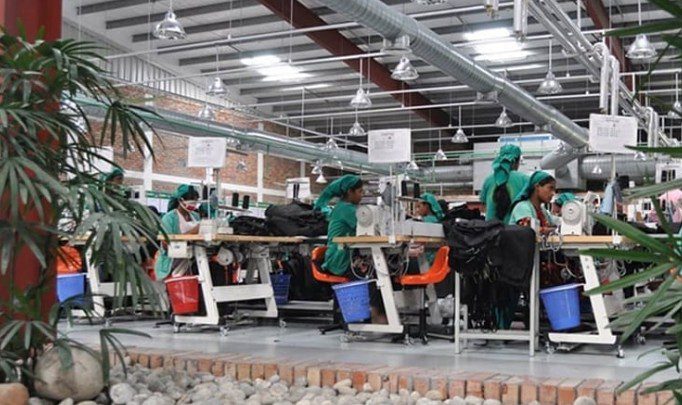
The industry’s transition from a $31 million sector in 1983 to a $39 billion powerhouse was driven by a unique brand of entrepreneurial self-sufficiency.
As the sector moves beyond “bread and butter” cotton basics, it must now secure the sophisticated skill sets and infrastructure necessary for value-added production.
As Ahlawat concluded, the Bangladeshi workforce has proven to be incredibly “gritty,” consistently showing up and performing despite political upheaval, environmental disasters, and global market shifts.
This resilience will be the foundation as the nation strives to maintain its export competitiveness in a rapidly changing global market.