

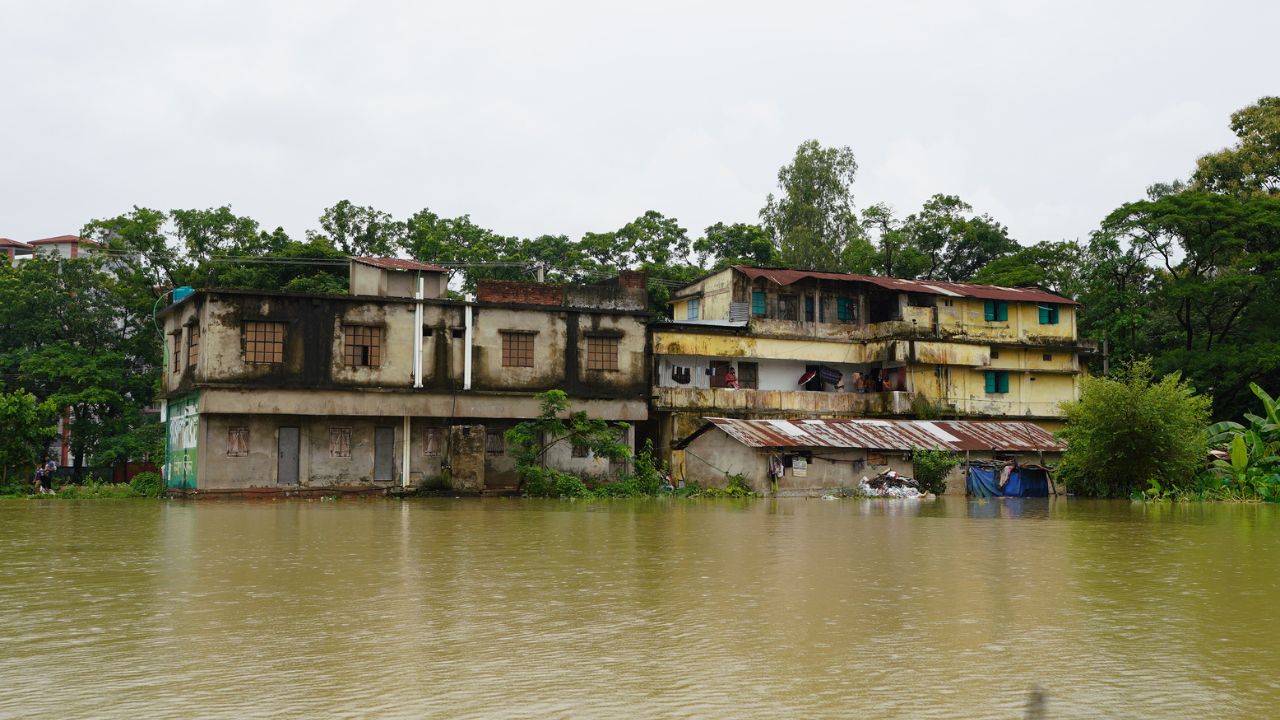



While urban dwellers often welcome the first showers of the monsoon, for millions across Bangladesh, the recent heavy rainfall has transformed the season into one of relentless terror.
From the waterlogged concrete alleys of Dhaka to the paralysed streets of Chattogram and the crumbling hillsides of Rangamati, the nation is currently fighting a multi-front battle against nature’s unprecedented assault.
In the capital, intermittent rains have once again laid bare the chronic structural failures of the city’s drainage network. Despite the government spending hundreds of crores of taka on canal recovery and drainage infrastructure, residents in 141 identified hotspots – including Shewrapara, Badda, and Dhanmondi 27 – find themselves wading through knee-deep water.

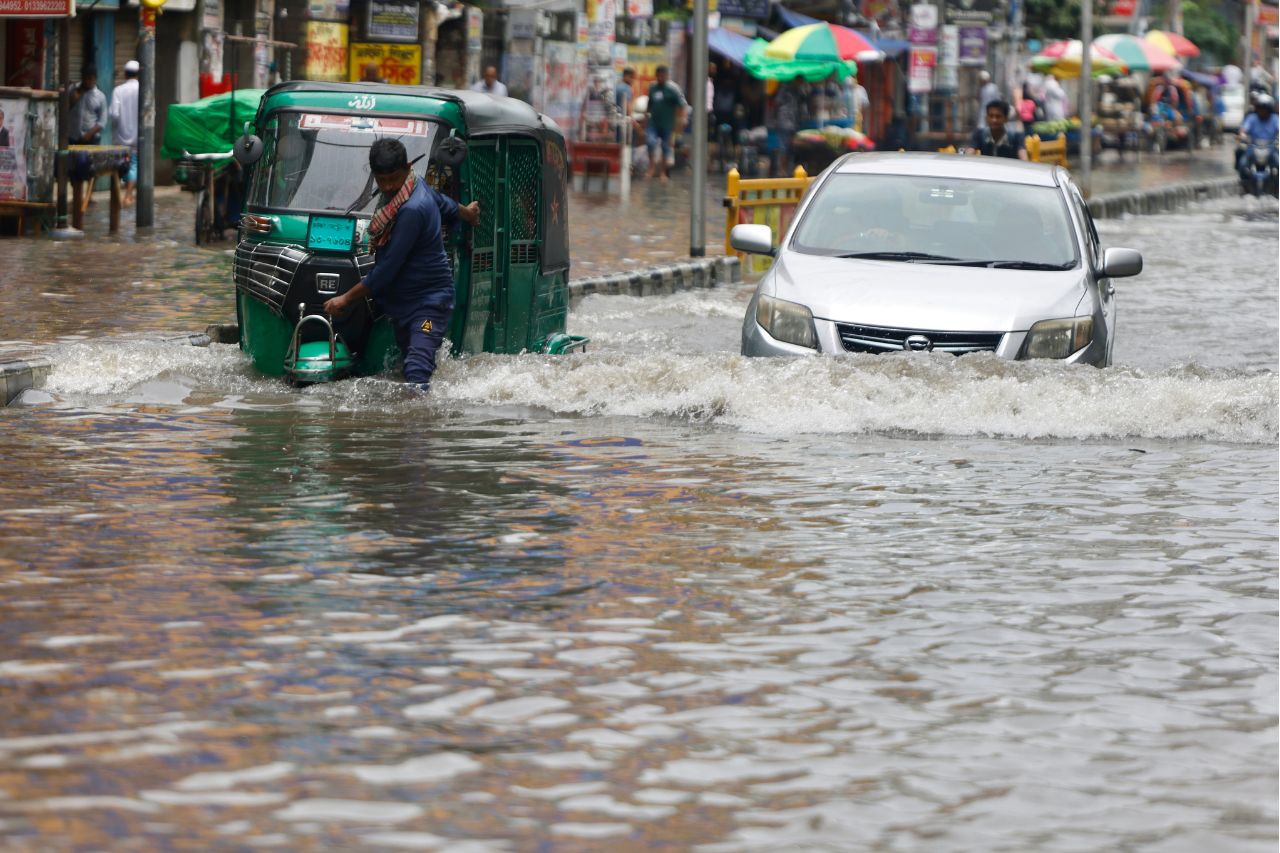
The crisis is fuelled by unplanned urbanisation and shrinking wetlands. Experts note that Dhaka’s pumping stations are currently capable of handling only about 40 per cent of the drainage load, a situation exacerbated by crucial facilities like the Hatirjheel pumping station being out of service.
The situation in the port city of Chattogram is even more dire. Chattogram recently endured 806mm of rain in just four days – the highest recorded since 2000. The deluge has paralysed the city, turning streets in Chawkbazar into fishing grounds and forcing the suspension of vital rail links between the port city and Cox’s Bazar.




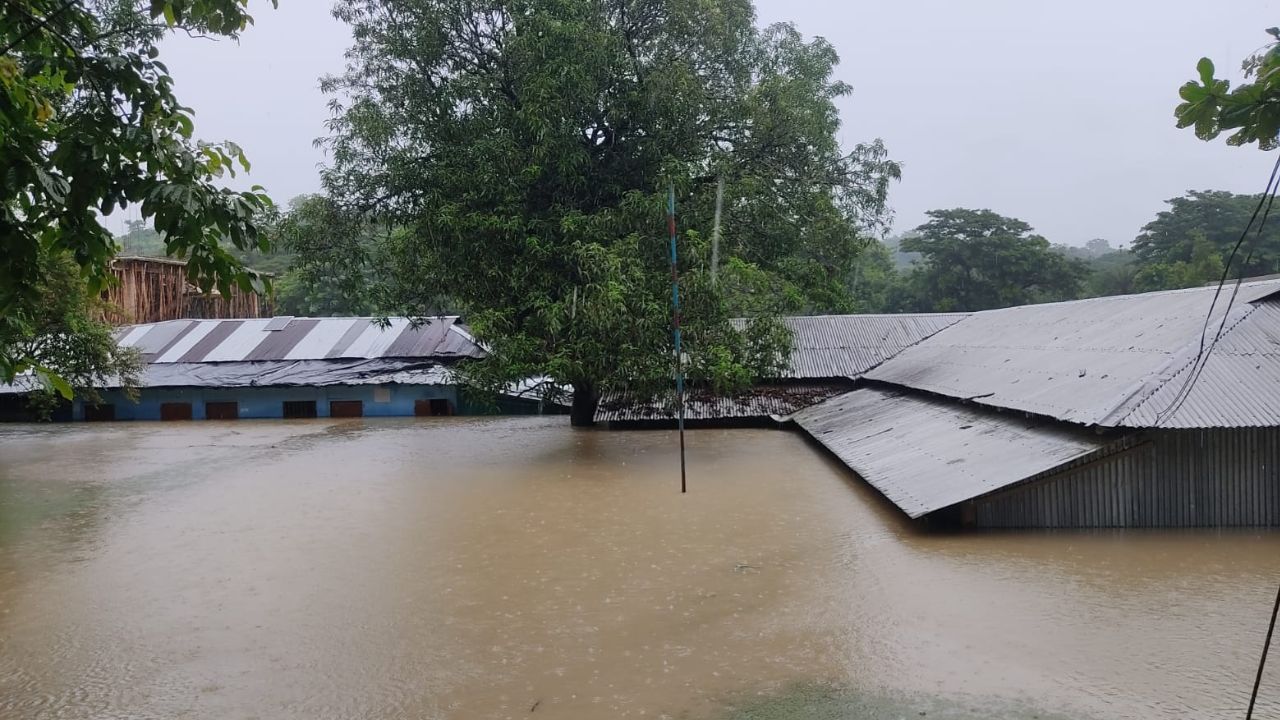
Thousands remain stranded in darkness as power lines are severed, while families cling to tin roofs as their ancestral homes are transformed into stagnant lakes. Chattogram division has already recorded dozens of deaths, including young children swept away by powerful flash flood currents.
The pouring rain takes its most horrifying form in the Chittagong Hill Tracts where, in Rangamati, flash floods have marooned over 12,000 people in the remote Farua union, where a massive landslide at the Arunodaya view point has completely severed transport links.
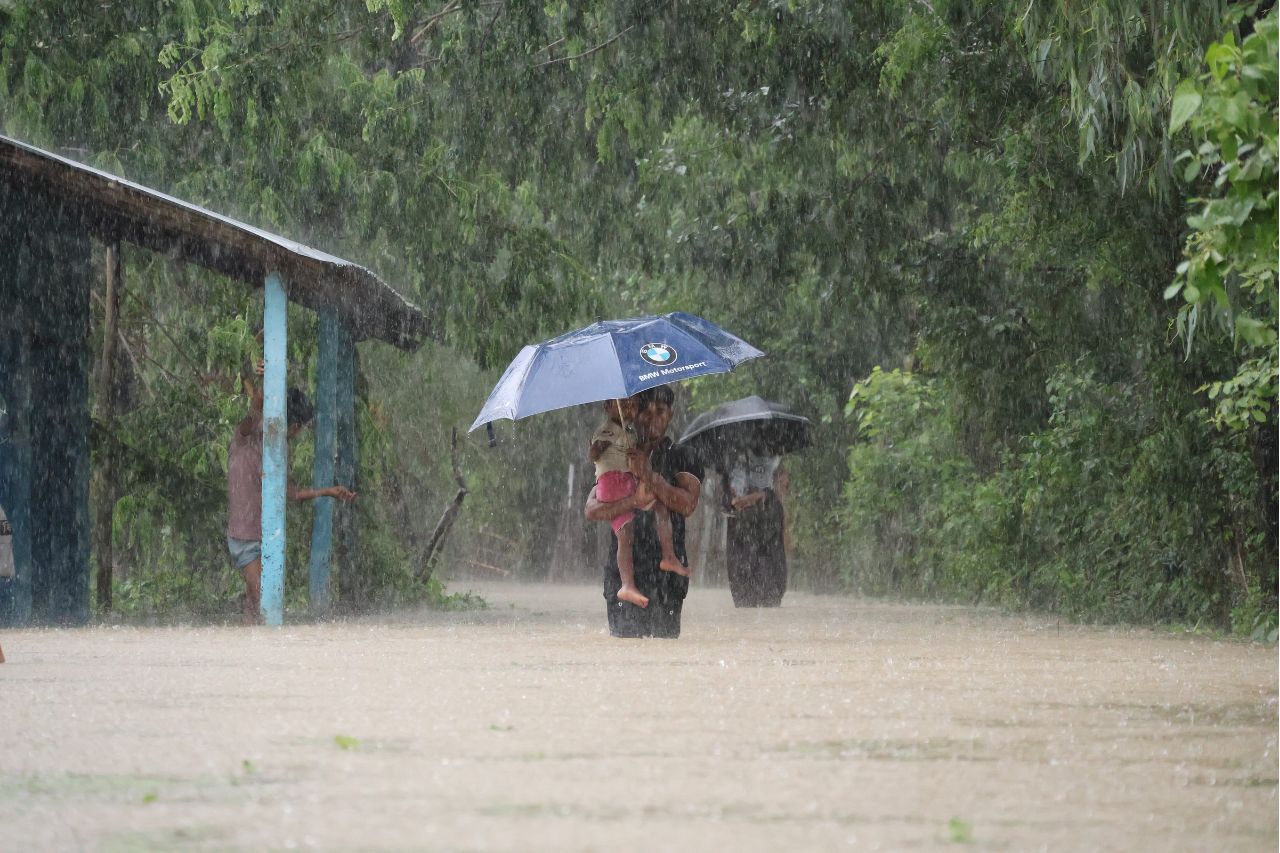
Further north in Sajek Valley, the Bangladesh Army recently completed a two-phase operation to evacuate 561 stranded tourists using boats and bamboo rafts after road communication was cut off by rising waters.
The hills themselves have become treacherous. In Bandarban, five family members were buried alive in a single day when a hillside collapsed onto their home in Aziznagar. Across the district, over 3,500 people have sought refuge in emergency shelters as the Sangu and Matamuhuri rivers breach danger levels by more than a metre.
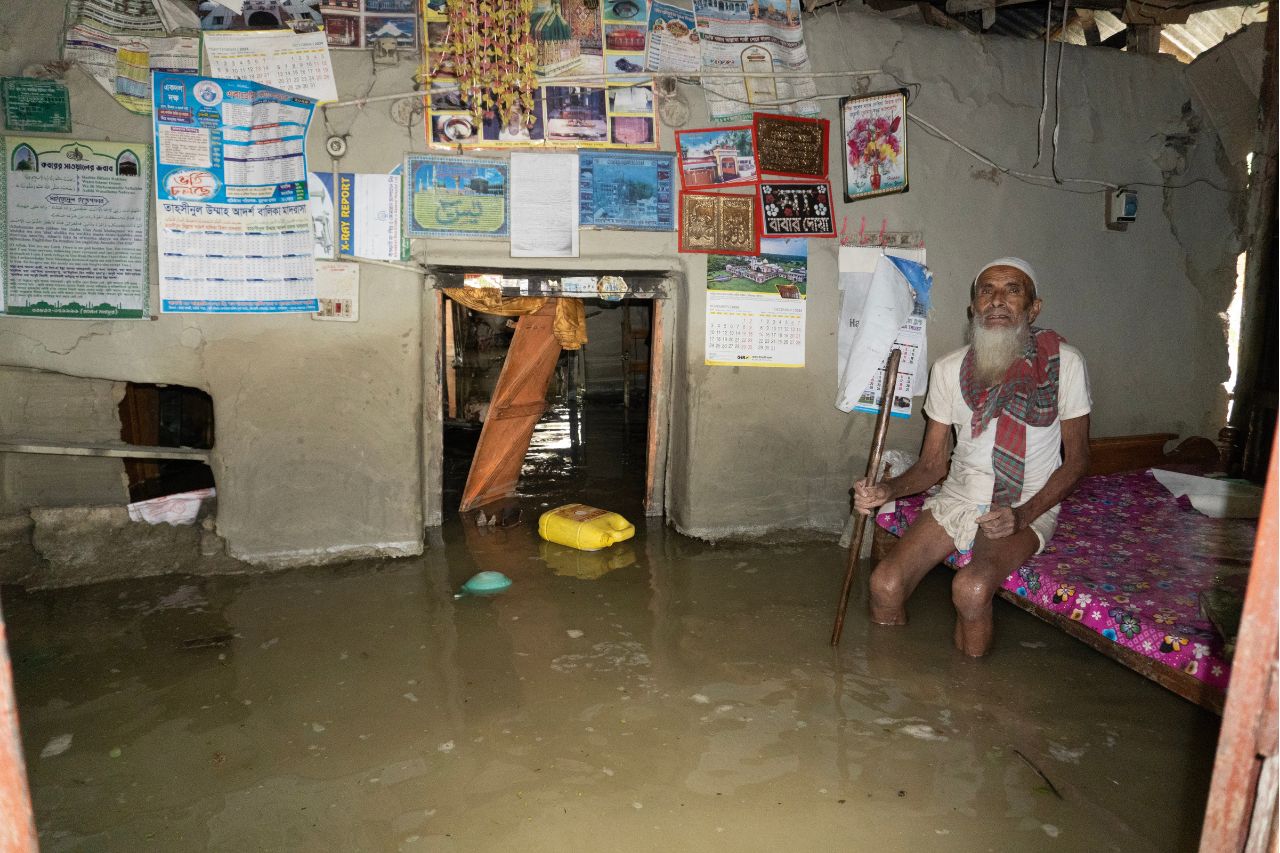
As the Meteorological Department warns of further heavy downpours, a sense of helplessness hangs over the region. Rivers across the country continue to flow dangerously above the danger level, and infrastructure built to clear typical monsoon waters is now utterly overwhelmed.
There is a profound and tragic irony in a nation born of silt and defined by its winding waterways finding itself at the “mercy of nature”. For the riverine people of Bangladesh, the monsoon – once a celebrated “old friend” that nourished the delta – has transformed into a cruel enemy.