
Malaysia has reopened its labour market for Bangladesh and 11 other countries after nearly two years of suspension, following Prime Minister Tarique Rahman’s recent visit to Kuala Lumpur, but uncertainty remains among aspiring migrant workers and recruiting agencies over the next steps.
Malaysia’s Human Resources Minister Ramanan Ramakrishnan announced on Monday that the country’s labour market would reopen for 12 countries, including Bangladesh. The announcement came after Prime Minister Tarique Rahman urged Kuala Lumpur during his visit to resume recruitment of Bangladeshi workers.
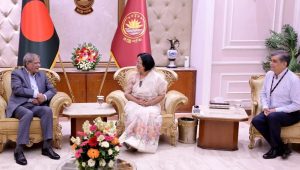
Expatriates’ Welfare Minister Ariful Haque Choudhury confirmed the development while speaking to journalists at Sylhet Circuit House on Tuesday, saying the reopening was a result of the prime minister’s visit.
He also said the government was working to open new labour opportunities in the Middle East, Japan and Mauritius.
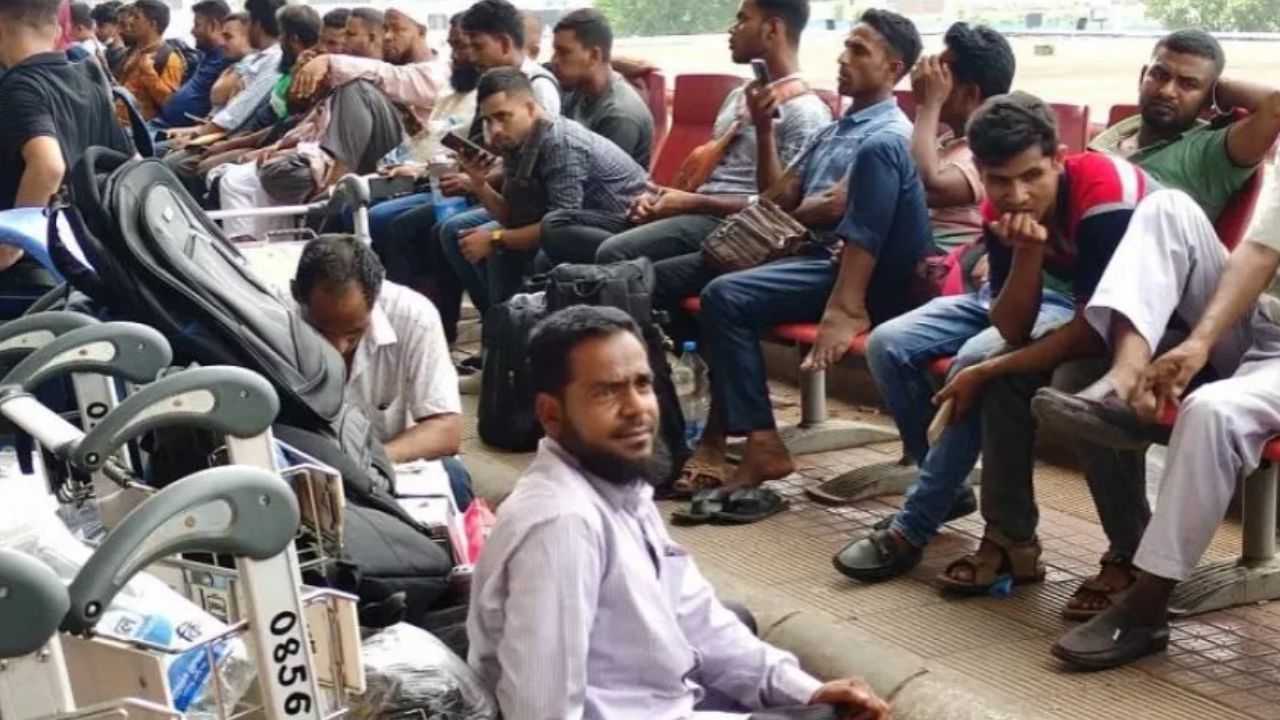
However, despite the announcements from Malaysia and the Bangladesh government, aspiring workers and recruiting agencies said they had not yet received any formal directives on the recruitment process.

Ebaidul Haq from Dapdapia union in Jhalokathi, who paid an agency nearly two years ago before Malaysia abruptly suspended recruitment, said he contacted the Bangladesh High Commission in Malaysia and was informed that no official communication had yet reached them.
Nadim Hossain, another aspiring migrant worker from the same area, said they had been waiting for Malaysia to reopen recruitment since the suspension on June 1, 2024, but the absence of a clear government announcement had left them uncertain about their future.
Members of the Bangladesh Association of International Recruiting Agencies (BAIRA) said no specific procedural decision had so far been taken for Bangladesh, adding that Malaysia’s announcement was a general decision covering all 12 countries.




Former BAIRA joint secretary Mohammed Fakhrul Islam said recruiting agencies had been expecting positive developments since the prime minister’s visit, but warned that reopening the market did not mean worker recruitment would begin immediately.
He said a technical group and a joint working group meeting between the two countries would be needed, along with amendments to the existing memorandum of understanding on labour migration.
“We held a high-level meeting with the secretary of the Ministry of Expatriates’ Welfare and Overseas Employment just two days ago, but we received no guidance regarding Malaysia’s market reopening,” Fakhrul said.
He advised aspiring workers not to pay money to any recruiting agency at this stage, warning that some dishonest agencies had already started seeking payments.
Before the suspension in 2024, Malaysia itself selected recruiting agencies eligible to send workers from Bangladesh. The system was introduced partly to break alleged syndicates and curb claims of irregularities in the recruitment process during the Awami League government’s tenure.
This time, the Ministry of Expatriates’ Welfare and Overseas Employment has said Bangladesh will decide which agencies will be authorised to send workers.
State Minister for Expatriates’ Welfare and Overseas Employment Md Nurul Haque said the ministry would soon categorise recruiting agencies to prevent future disruptions in overseas employment.
Under the proposed system, aspiring workers would be able to select agencies based on category ratings published on the ministry’s website.
However, BAIRA members have expressed concerns that the categorisation process could create further complications, particularly as many agency owners left the country after the fall of the Awami League government, while new entrepreneurs are seeking entry into the sector.
Former BAIRA secretary general Ali Haider Chowdhury warned that categorising agencies could lead to the creation of syndicates or monopolies similar to those previously seen in countries including Jordan, Brunei, Singapore and Thailand, which he said could harm the migration market.
BAIRA itself has remained without an elected leadership for around two and a half years following the fall of the Awami League government, the interim administration period and the formation of the BNP government. The association is currently being run by a government-appointed administrator, creating distance between the organisation and the government.
Stakeholders said ensuring a transparent and smooth process for sending Bangladeshi workers to Malaysia would depend on policy reforms, restructuring of recruiting agencies and, most importantly, the government’s political commitment.