


Two decades after a devastating grenade attack tore through a political rally in Dhaka, the absolute acquittal of all accused by Bangladesh’s highest court has left a profound judicial vacuum.
While the Appellate Division has upheld the High Court’s landmark acquittal of BNP Chairman Tarique Rahman, Lutfuzzaman Babar, Abdus Salam Pintu, and all other convicts, the full copy of the verdict remains unpublished.
Consequently, a haunting question has resurfaced on this solemn anniversary – now that the trial, conducted under allegations of political manipulation, has been concluded, where is justice for the 24 dead and over a hundred injured?
Dismissing the state’s appeal, a six-member bench of the Appellate Division led by the then chief justice Syed Refaat Ahmed delivered a unanimous verdict on 4 September 2025. This verdict was delivered with observations, subject to some modifications and retractions of certain parts of the High Court’s judgment.
However, the question remains as to who was responsible for the deaths of two dozen people and whether any new judicial process will determine their liability.
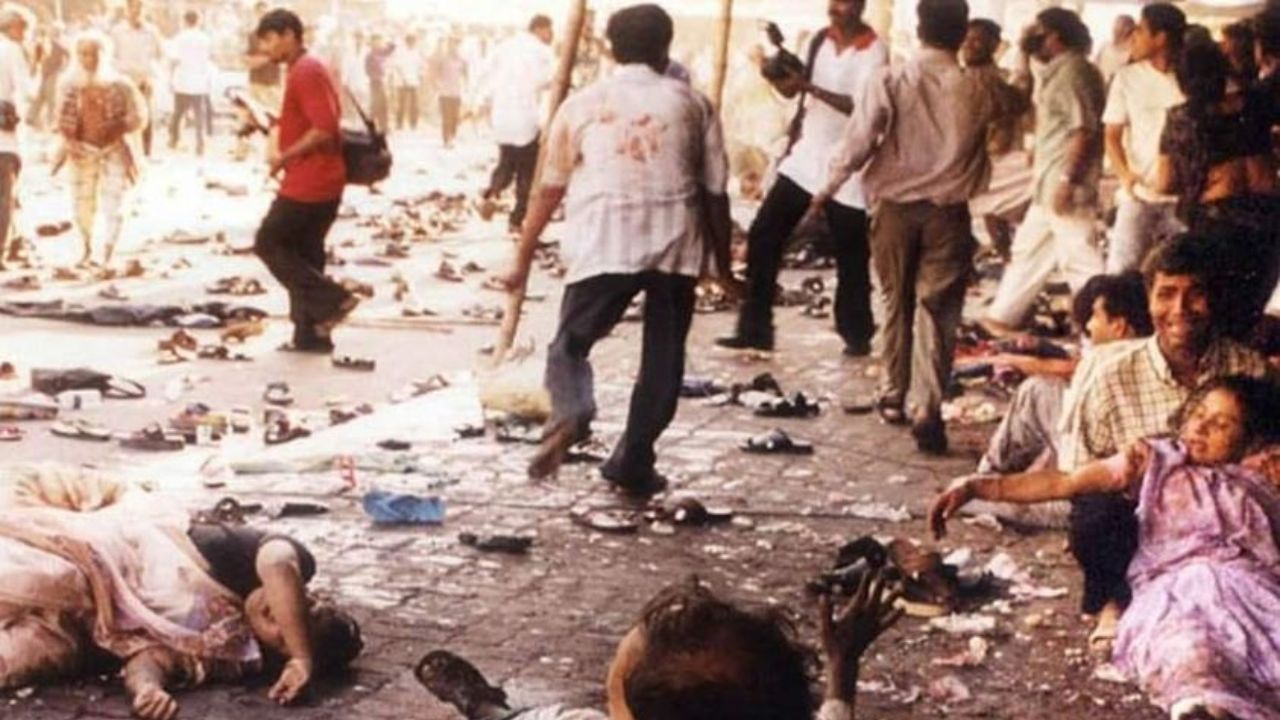
The attack that claimed 24 lives
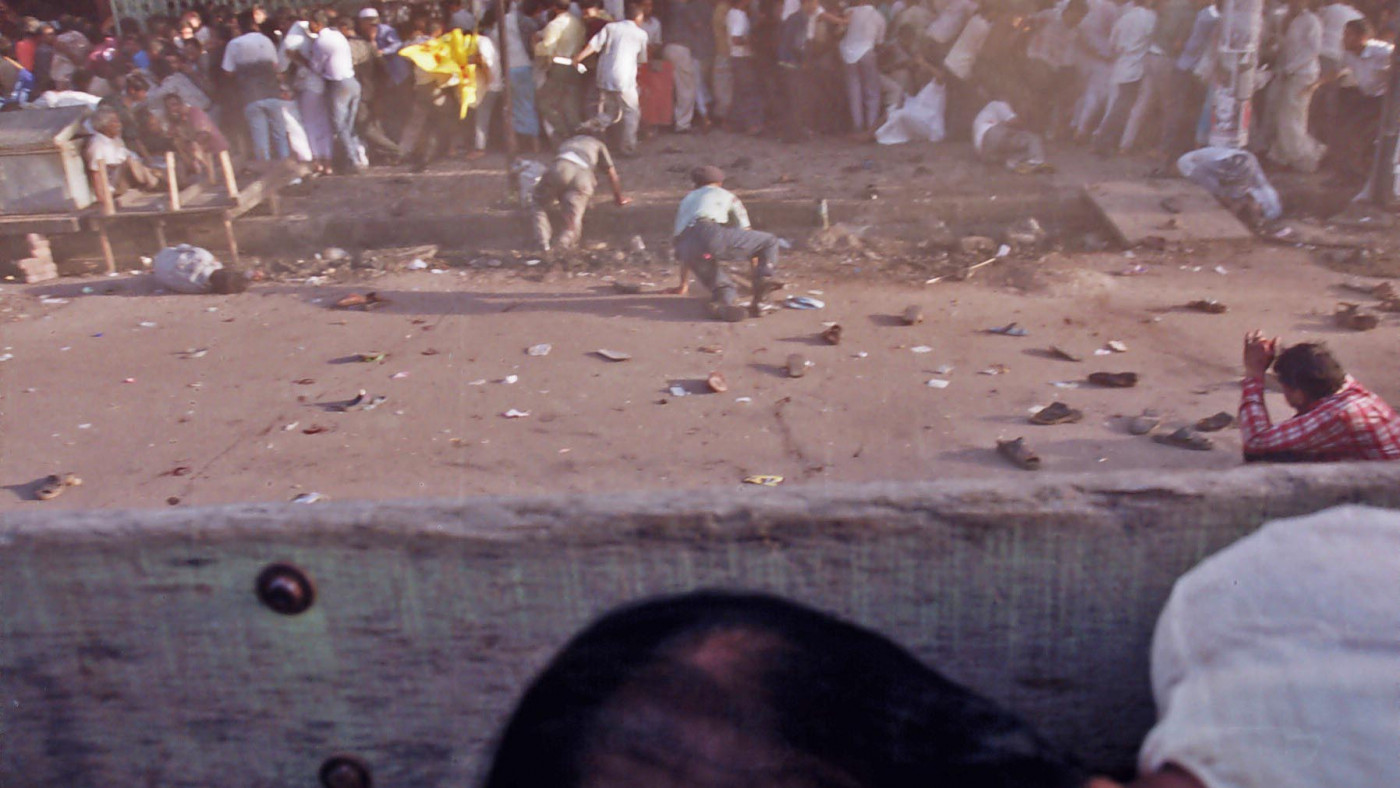
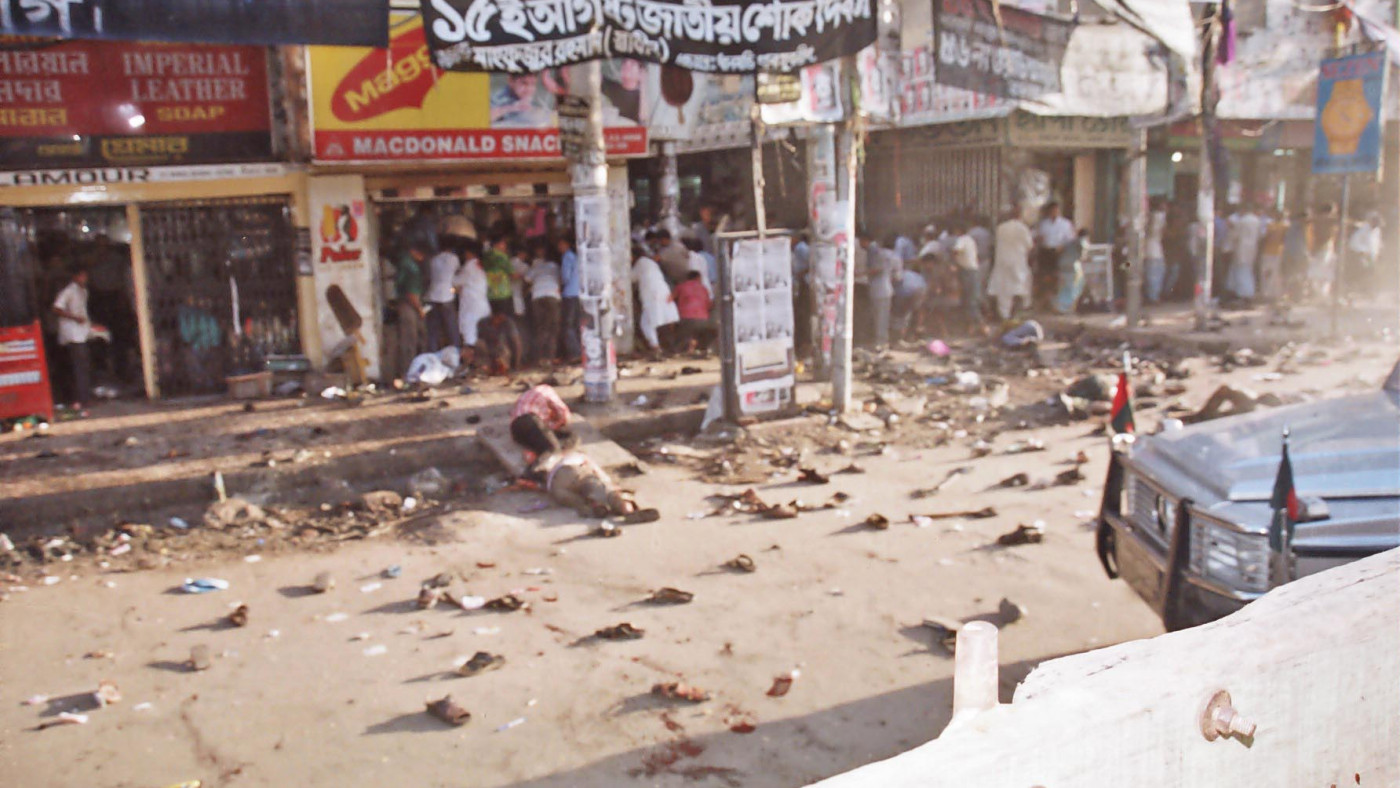
On 21 August 2004, a grenade attack targeted an Awami League rally addressed by its President Sheikh Hasina at Abrar Fahad Avenue in the capital, killing 24 and injuring over a hundred.
After two cases under the Penal Code and the Explosive Substances Act were filed and tried, Judge Shahed Nuruddin of Dhaka Speedy Trial Tribunal-1 delivered the verdict on 10 October 2018.
The verdict sentenced 19 people, including former State Minister for Home Affairs Lutfuzzaman Babar and Deputy Minister for Education Abdus Salam Pintu, to death. Nineteen others, including Tarique Rahman, received life imprisonment, and 11 were handed various prison terms and fines.

The case documents were sent to the High Court as a death reference, required for executing death sentences, alongside pending appeals.
Following the Awami League government’s fall on 5 August 2024, the High Court began hearing the case on 31 October.
On 1 December, the High Court declared the trial based on the supplementary charge sheet illegal and void.
Rejecting the death references and accepting appeals, it acquitted all convicted accused, including Lutfuzzaman Babar and Tarique Rahman, who was a fugitive. The state appealed, but the Appellate Division dismissed it.
From re-investigation to second charge sheet
Defence lawyer Mohammad Ali claimed the trial was politically motivated. He noted that CID official Fazlur Karim submitted the first charge sheet in 2008 during the caretaker government’s tenure, on which the trial began at Speedy Trial Tribunal-1.



However, after the Awami League took power in 2009, the case was sent for reinvestigation, which was prolonged from 2009 to 2014.
Later, a second charge sheet implicated top BNP leaders, including Tarique Rahman, Lutfuzzaman Babar, and Abdus Salam Pintu.
“Filing a charge sheet against the top leaders of BNP through a second investigation and starting the trial on that basis was politically motivated,” said Mohammad Ali.
He claimed the allegations could not be proven, adding, “Falsehood is never proven. In the court of justice, in the court of truth, they have been honourably acquitted by the High Court, which was upheld by the Appellate Division.”
Questions over the trial process
Mohammad Ali’s complaints are not limited to the investigation or the charge sheet; he also questioned the trial court’s environment and the judge’s role.
“Whenever testimonies were recorded in this case, lower court Judge Shahed Nuruddin behaved badly morning and afternoon,” he said.
He alleged that chief state counsel Syed Rezaur Rahman used to shout, and the police controlled the entire corridor of the court, making cross-examination impossible.
He further alleged that before court sessions, Judge Shahed Nuruddin and chief state counsel Syed Rezaur Rahman arrived at almost the same time and spent about an hour in the judge’s chamber.
In Mohammad Ali’s view, the BNP leaders would not have received this acquittal without the political transition. He strongly criticised the trial court judge’s role and claimed the trial process was influenced.
Let justice run its course
SM Shahjahan, another defence lawyer, views flaws in the investigation as the primary reason for acquittal. He noted that after the first charge sheet in 2008, 61 witness testimonies were recorded, but the case trajectory changed when the new government took power in 2009.
“In my view, flaws in the investigation are the main reason behind the acquittals in this case,” he said. Emphasising the need to keep the judiciary and investigations free from political influence, he said, “Let justice run its course. Let the river of justice flow naturally.”
According to him, if the ruler, government, political party, or political interests influence the trial process, it is impossible to ensure justice.
Mohammad Ali echoed this sentiment, believing that following any incident, the investigation should be conducted free from state or political interference. “The investigation must be impartial,” he said. “Only then can the real perpetrators be identified and brought to trial”.
Observers note that free from political influence, Bangladesh’s investigative agencies have historically unravelled complex mysteries and brought culprits to justice. However, political or administrative interference disrupts investigations.
Through the second investigation, the case’s normal trajectory was altered by deliberately implicating the BNP, leading to the final acquittals.
Lingering question after acquittals
The convicts in the 21 August case have been acquitted by the High Court’s verdict, which has now been upheld by the Appellate Division’s judgement. However, the acquittal does not mean that the attack on 21 August 2004 did not take place.
The death of 24 people and injuries to over a hundred others in that attack remain at the heart of the judicial history of this case.
The question now remains: since the trial process that once handed down sentences has been declared illegal and void, what is the path forward to prosecute the actual perpetrators of the attack?
Lawyers say that once the full text of the Appellate Division’s verdict is published, the legal interpretation of this question may become clearer.