


Algeria has invited Bangladesh’s Max Group to establish a manufacturing plant in the North African country, offering support including land, utilities, industrial raw materials and tax incentives as both sides explored ways to expand bilateral trade and investment.
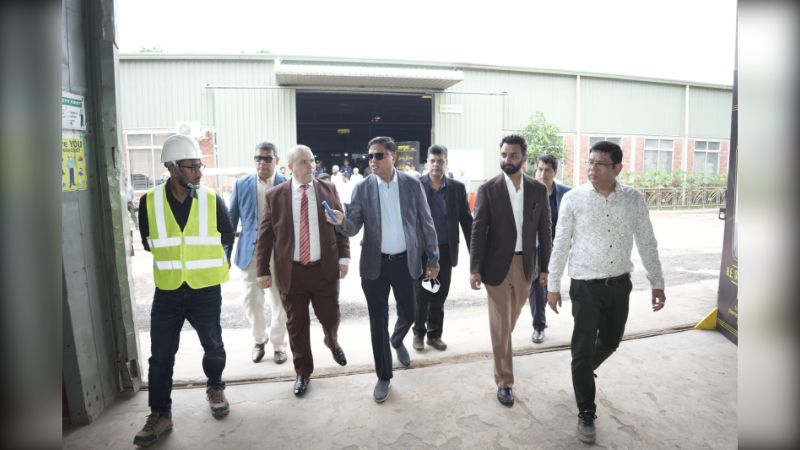
The proposal came during a visit by Algerian Ambassador to Bangladesh Abdelouahab Saidani to the group’s industrial facilities on Friday. Accompanied by senior embassy officials, the envoy toured the conglomerate’s manufacturing operations and held talks with its top management.
Speaking after the visit, Saidani said he saw “immense potential” to expand business and investment between Bangladesh and Algeria.
He said Algeria’s reserves of steel, natural gas and petroleum could be supplied competitively to Bangladeshi industries, while the Algerian market offered opportunities for exports of high-quality Bangladeshi finished goods.
The ambassador formally invited Max Group Chairman Golam Samdani Bhuiyan to visit Algeria and proposed that the company establish its own company and manufacturing plant there. He said the Algerian government would facilitate the investment by providing support for land, utilities, raw materials and a favourable tax regime.

Saidani also said 22 draft agreements between Bangladesh and Algeria had already been prepared, with most in the final stages before signing.
He said the Algeria-Bangladesh Business Forum, comprising business leaders from both countries, would play a key role in strengthening commercial cooperation.
During the visit, the ambassador toured AFA Steel Industries Ltd, which manufactures springs for vehicles, before visiting Max Industries Ltd’s stainless steel pipe plant, crockery production line and Maxcrete Limited’s AAC block manufacturing facility.

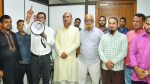
He said he was impressed by the group’s manufacturing capabilities, production processes and quality control standards.
Bhuiyan said Max Group had spent its first four decades focusing on import substitution to reduce foreign currency outflows but now saw export-oriented growth as its next phase.
He said the company had already begun exporting stainless steel products to Malaysia and several African countries, while some products were also being sold in Germany.
The chairman said the current government’s incentives had renewed export interest but stressed that stable, long-term policies would be needed to sustain industrial investment.
He identified lubricant manufacturing in Bangladesh using base oil imported from Algeria as a potential area of cooperation, alongside exports of Bangladeshi steel, engineering products and construction materials.
Bhuiyan also proposed making practical industrial training mandatory for engineering graduates before professional certification, modelled on the medical profession. He said Max Group would provide practical training and entrepreneurial experience to 50 engineers each year.
The group, which once employed more than 17,000 people, including 400 graduate engineers, now has a workforce of between 7,000 and 8,000. Bhuiyan said expanding business activities and government projects were expected to create new jobs.
He also outlined Max Group’s future investment plans in semiconductors and rooftop solar energy, while calling for reduced bureaucratic complexity to restore investor confidence and for resolving Dhaka’s traffic congestion.
Bhuiyan said Bangladesh needed many more large industrial groups over the next five to 10 years to drive domestic investment, boost exports and generate employment.
The visit concluded with both sides expressing their intention to deepen commercial relations and their expectation that the engagement would lead to greater investment, industrial collaboration and export growth between Bangladesh and Algeria.