


Bangladesh is a country that has overcome many controversies and contradictions to ensure a significant decrease in poverty, an increase in export volumes, and a relatively high rate of GDP growth for several years. The Global Fund and the World Bank have repeatedly noted the country’s economic success. However, good indicators are deceptive as they conceal serious internal problems. A superficial analysis of the current state of the economy suggests that Bangladesh is a vulnerable country with weak economic fundamentals.
The most apparent fact about the current state of the Bangladesh economy is that it is highly dependent on the ready-made garments industry. More than 80% of Bangladesh’s exports are comprised of textile goods. Such a heavy emphasis on the industry poses serious long-term risks for the country’s economic security. The ready-made garments sector is capital-intensive, technologically sophisticated, and requires advanced managerial capabilities. Bangladesh lacks alternatives to compete with countries such as Vietnam and India, which have upgraded their economies by entering the high-tech manufacturing sector.
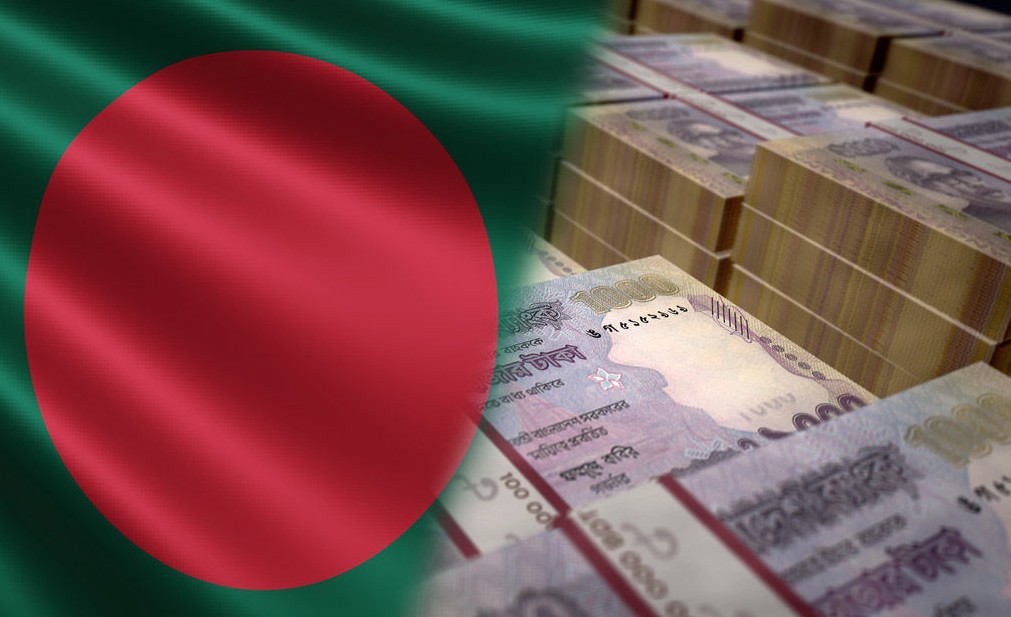
Another major threat to Bangladesh’s economic growth is its unstable financial system. However, the central bank has taken some measures to regulate the banking system. The banking system in Bangladesh suffers from weak governance, opacity, and regulatory arbitrage. Depositors do not benefit from the implicit government guarantee, and problem loans need to be written off or restructured on a regular basis. The reserves of Bangladesh have been depleting at an alarming rate in recent years. This is a major source of concern for the government, which is already facing challenges in maintaining economic growth and may soon be forced to turn to the IMF for assistance. The devaluation of the Bangladeshi taka has created adverse conditions for the population as well as businesses, as the purchasing power has decreased significantly.

A strong fiscal policy is a cornerstone of any economy, and Bangladesh’s fiscal policy is weak, primarily due to its low tax-generating capacity and an ineffective tax system. The country’s tax policies have failed to meet the challenges posed by a growing economy and an increasing number of taxpayers. The National Board of Revenue has demonstrated limited ability to raise revenues, which has resulted in a large budget deficit and an overall decrease in the standard of living. Tax collection in Bangladesh is impeded by a corrupt bureaucracy that protects vested interests from paying taxes. This undermines government authority and fuels social inequality.
Energy is one of the most pressing issues in Bangladesh today. Fluctuating natural gas prices, insufficient electricity generation, and inadequate reserves pose serious risks to businesses and the general population. Meanwhile, people are forced to deal with periodic power outages and unreasonably high electricity prices. The government has launched several major energy infrastructure projects, but so far, these initiatives have had only limited success in addressing the country’s energy problems. Without access to affordable and reliable electricity, businesses and industries cannot thrive, and Bangladesh will remain incapable of diversifying its industries and improving its economic resilience for years to come.




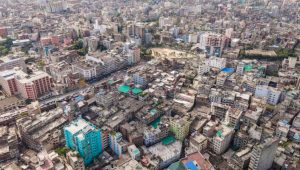
Perhaps the most serious economic threat to Bangladesh is climate change. With its low-lying coastal regions, Bangladesh is vulnerable to rising sea levels, which threaten to inundate large parts of the country. The World Bank has reported that climate change has the potential to undermine Bangladesh’s GDP growth and economic prospects in the years to come. Bangladesh has already suffered from devastating natural disasters, including the catastrophic cyclone and flood of 2022, which caused physical damage and loss of life. Climate change is a major threat to the agriculture sector, which employs a considerable proportion of the labour force. In addition, climate catastrophes generate hundreds of thousands of climate refugees who put enormous pressure on the capital, especially Dhaka.
Bangladesh has the potential to overcome many of these problems if it undertakes serious measures to reform and stabilise its economy. However, the main reason for Bangladesh’s economic vulnerability remains weak governance, which has failed to deliver on key economic reforms, resulting in institutional, regulatory, and policy inconsistencies that hinder economic development and undermine confidence in economic and political institutions. Overall, governance reform is the cornerstone of Bangladesh’s economic transformation, without which the country will be unable to address any of the pressing economic issues, from the fiscal crisis to the banking sector crisis.
To stabilise the economy and ensure long-term economic security, Bangladesh must pursue a multi-pronged strategy that includes diversifying exports, restructuring and revitalising the banking system, improving the tax system, and enhancing energy security. The government should focus on transitioning the country from a reliance on traditional, low-cost industries to a competitive high-tech economy that emphasises value-added products and technology-enabled services. The most effective way to achieve this is to invest in high-tech industries and enter the global high-tech manufacturing market.
The views expressed in this article are solely those of the author
The writer is a columnist and political analyst