Hatirjheel was once a dream. When it opened in January 2013, people called it a gift, a modern breathing space inside an overcrowded city. The bridges lit up in colours, the water shimmered at night, and for a moment, Dhaka felt hopeful. Construction began around 2007-08, the major work was finished by 2012 and the Army eventually handed over maintenance to RAJUK. It was supposed to be simple after that. Just keep it clean. Keep it alive.
But today, the dream smells rotten. From far away, Hatirjheel still looks beautiful. Walk a little closer and the truth hits your nose before your eyes. The water stinks. The banks feel unsafe. And the people who come here every day don’t need scientific terms to describe what they are facing.
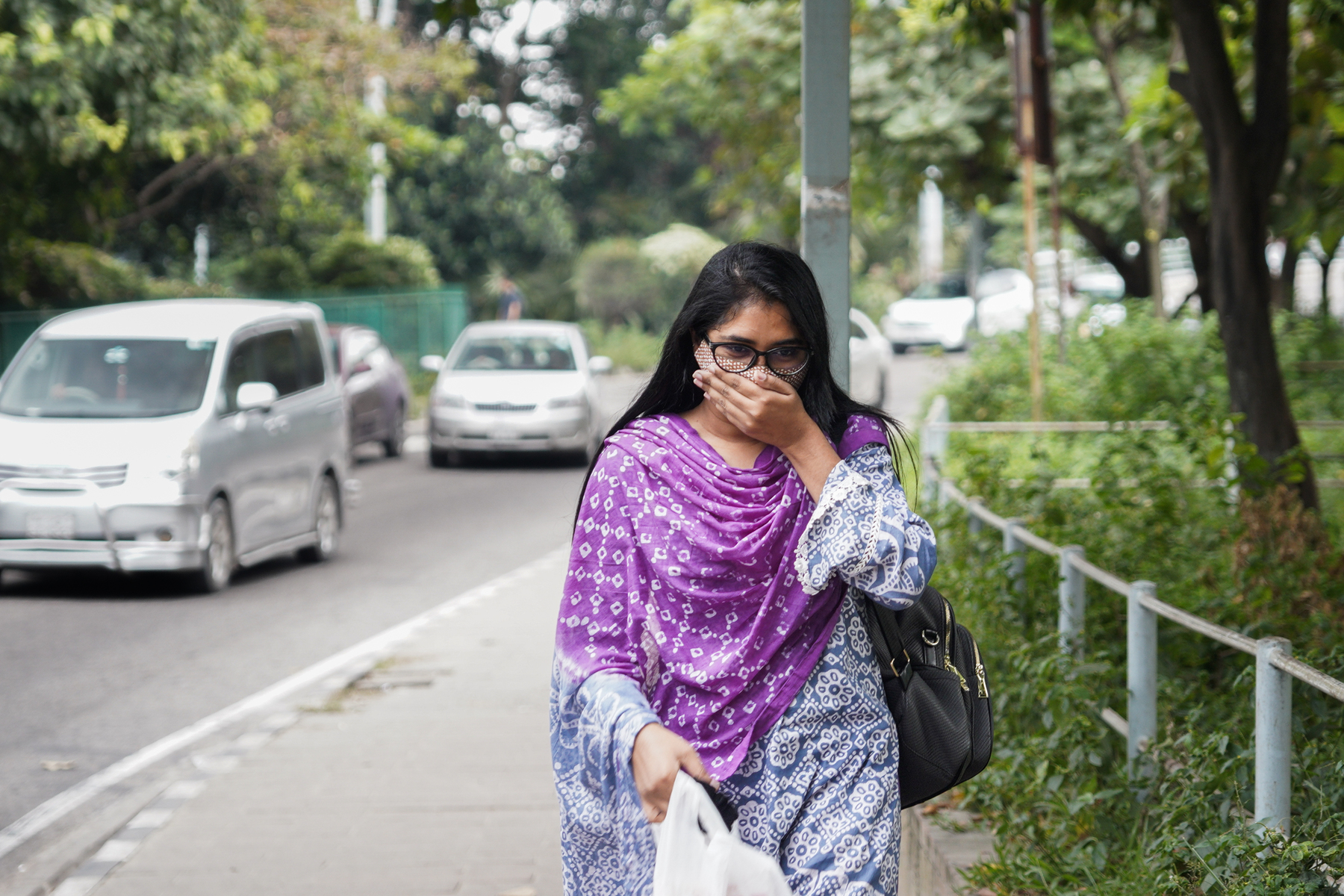
Nazneen, a regular visitor, said, “These days the smell here is unbearable. You can’t even stand for long. And for women, honestly, this place doesn’t feel safe anymore.”

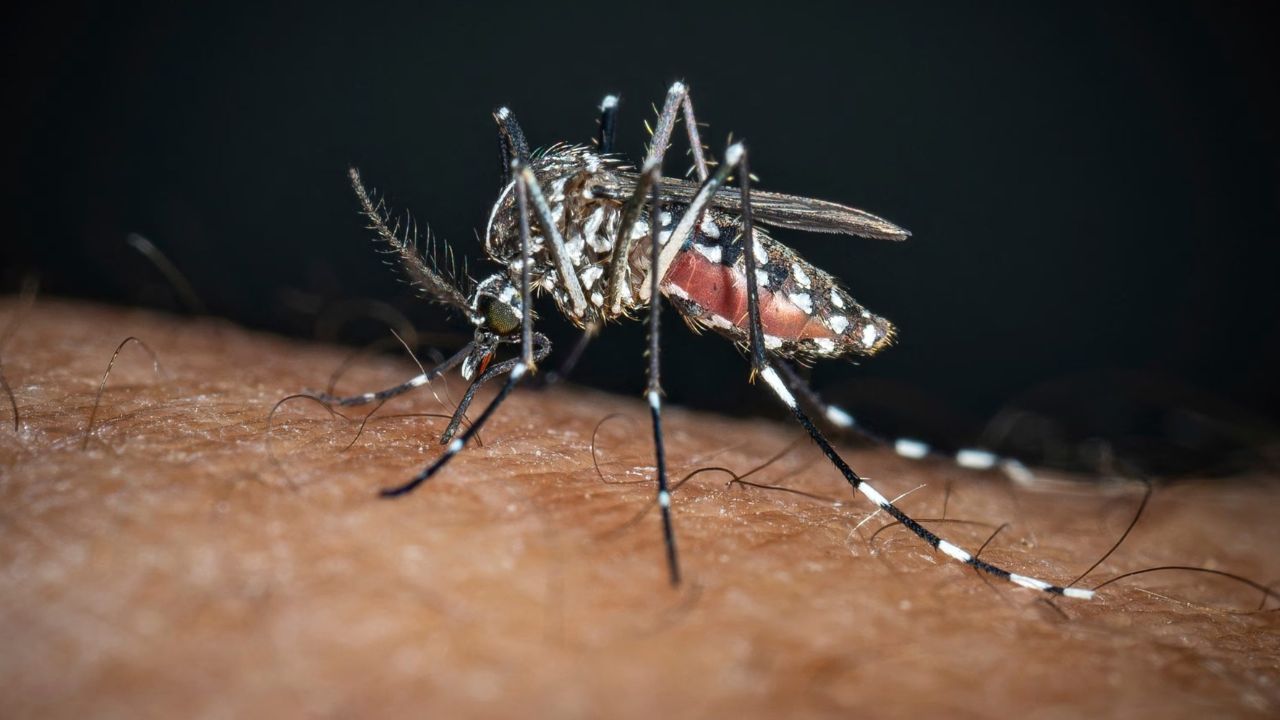
Another visitor, Muhammad Bellal, had wanted a peaceful evening sit-down but left within minutes due to mosquito bites and the sour smell rising from the water.
Even restaurants inside Hatirjheel are suffering. One restaurant worker said, “From evening onwards, mosquitoes attack like crazy. Customers get irritated and leave early, and some have even stopped coming. We burn mosquito coils every day. But we haven’t seen any City Corporation or RAJUK team doing anything here to control mosquitoes.”


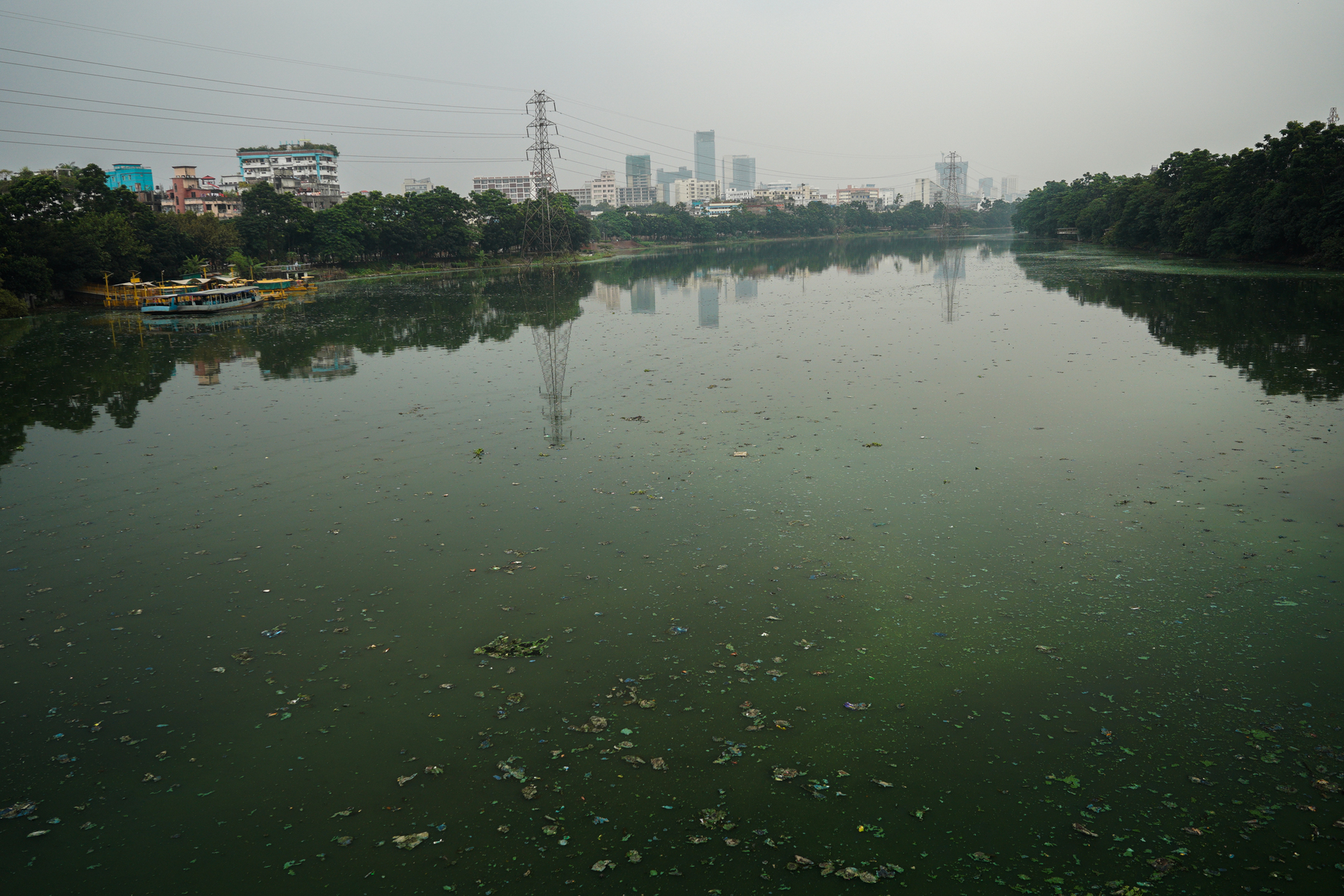
These are not just everyday city complaints. The problem is deeper, predictable, and seasonal. Environmental researcher Dr Ahmad Kamruzzaman Majumder said, “The water stays somewhat acceptable only during the monsoon months. From November onward, the oxygen level in the water drops sharply. Suspended solids rise to double or triple the DoE standard. During the dry season, the ecosystem simply collapses and the smell becomes sharper.”
The reason, he said, is obvious. Dhaka’s sewage is quietly entering the lake. More than 40 sewer-line connections feed into Hatirjheel. Add engine oil, grease, plastic waste, and random dumping; the lake becomes a toxic bowl.
Authorities admit the problem exists but pass responsibility from one agency to another. RAJUK Chairman Engineer Md Reazul Islam said “RAJUK alone cannot fix everything without cooperation from City Corporation, WASA and the police.”
He said they have already repaired some roads, changed dustbins, and will soon repair lights. He also admitted that major drainage connections are still pending because of “complex coordination.”
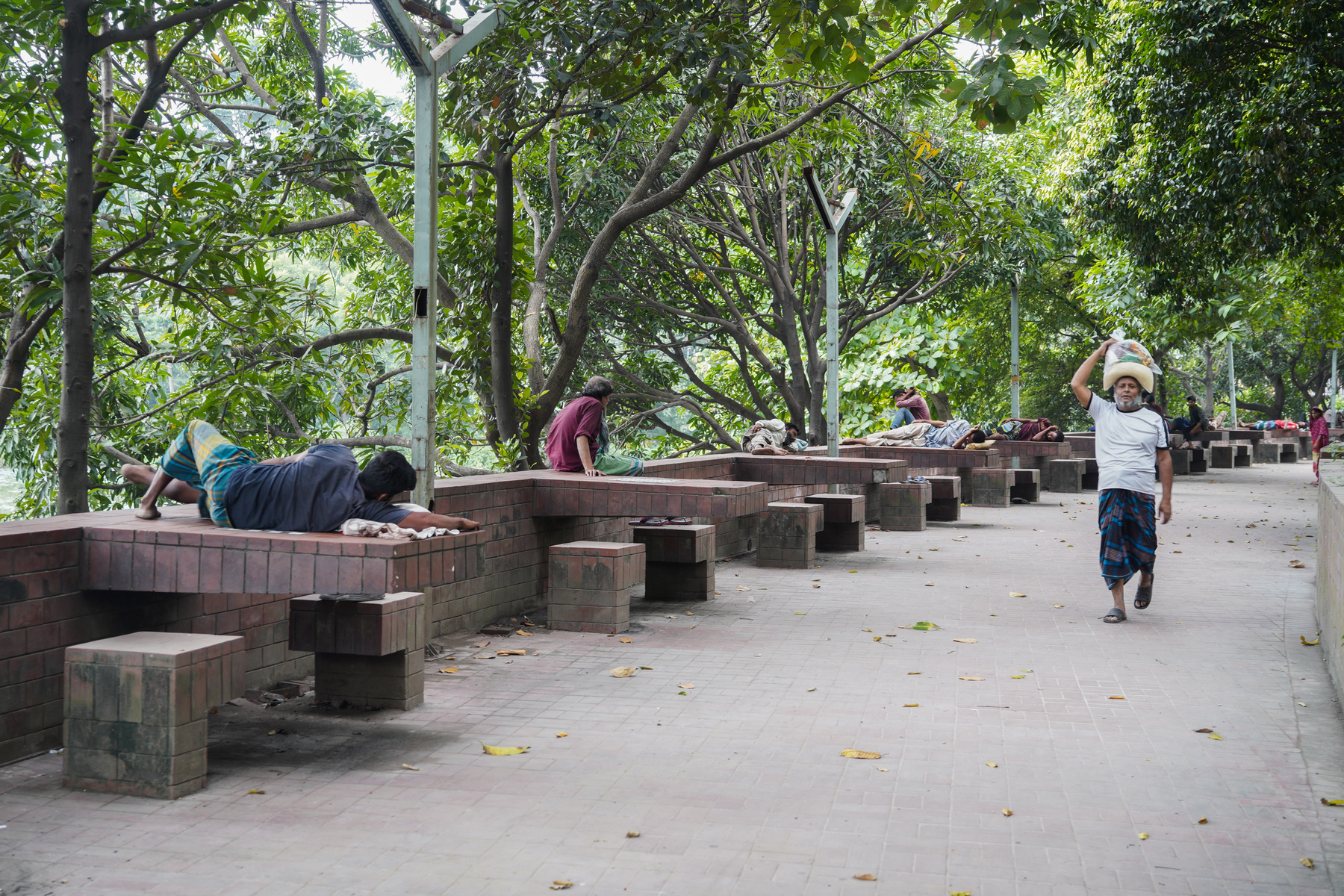
There is a social breakdown, too. Hatirjheel are now occupied by drug users, floating groups, beggars and hawkers. Families avoid certain corners. Women feel unsafe because the lighting is poor and the surveillance is weak.
Yet Hatirjheel still matters. It is not just a pretty spot. It is part of Dhaka’s water-retention system. It is one of the few open spaces where people can breathe. It can still recover. All sewage entry points must be sealed. Lights must work. Security must be visible. Maintenance must be routine, not reactive.