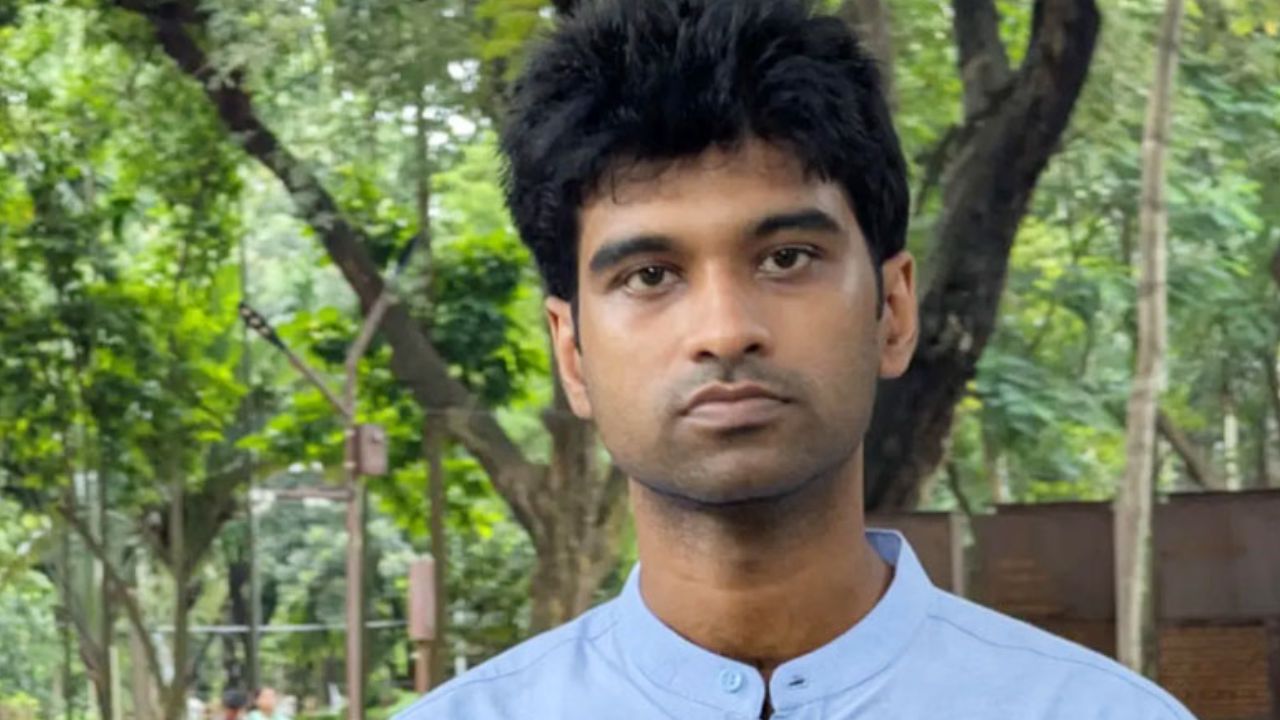
A stir has erupted in Narail’s Kalia upazila after Syed Ashiq Billah, who once filed a case against BNP Chairperson Begum Khaleda Zia, was reportedly listed as a “July Injured” person. Critics have rushed to blame the district administration and civil surgeon without any formal investigation, drawing public attention and debate.
However, an independent inquiry has revealed a different story. According to official records, Syed Ashiq Billah was listed as a “July Injured” person through the Combined Military Hospital (CMH) in Dhaka under the government’s MIS (Management Information System). He was included in the list as he was undergoing treatment at CMH during the July uprising period. Questions have since emerged over whether he was injured while supporting the movement or while working to suppress it.
When contacted, Narail Civil Surgeon and Member Secretary of the District Injured Verification Committee, Dr Md Abdur Rashid, said, “He was not listed from Narail. We have no information about him. He was included in the injured MIS through CMH Dhaka. Therefore, the district administration bears no responsibility for his inclusion. If evidence proves that he falsely claimed to be a July Injured person, we will recommend action to the ministry.”

An official from CMH, requesting anonymity, explained, “We treated everyone who was admitted here during July–August uprising, regardless of their political affiliation. We did not prepare the injured lists. Two coordinators from the Ministry of Liberation War Affairs were responsible for recording the injured in the MIS database.”
Claiming himself to be a genuine “July Fighter,” Syed Ashiq Billah said, “I actively joined the anti-discrimination movement in Dhaka’s Mohammadpur area on 19 July, during which I was injured. Based on my medical documents and official records, I was rightfully recognised as an injured ‘July Fighter’ in the government gazette.”



Sources from the Narail DC office said that 68 individuals from the district are listed as injured July Fighters. Among them, many were injured during protests in Narail, while others were hurt in Dhaka, Khulna, or other districts. The controversy began after Syed Ashiq Billah’s name appeared in the list. On 26 October, around 30–40 people staged a human chain in front of the DC office demanding a fresh verification of the injured list, with several BNP-affiliated figures seen leading the protest.
After the July uprising, the government compiled the injured lists through two channels. Initially, all public hospitals were instructed to include those injured during the uprising in the Health Directorate’s MIS database. The Ministry of Liberation War Affairs later verified and cross-checked the entries before finalising the gazette. Experts, however, note that limited manpower made it difficult to thoroughly investigate every case, leaving room for errors or false inclusions.
For administrative purposes, the ministry later forwarded MIS IDs of the listed injured individuals to their respective districts, enabling them to receive allowances and other benefits locally. Those unable to seek hospital treatment at the time due to unrest submitted personal medical records and photos to district-level committees for inclusion.
Each district committee was headed by the Deputy Commissioner (DC) and had the Civil Surgeon as member secretary, along with Upazila Executive Officers (UNOs) and local students movement coordinators. Most committees were reconstituted after 5 August with newly appointed officials, who relied heavily on information provided by movement leaders during verification.
Narail DC Sharmin Akter Jahan told TIMES of Bangladesh, “I was not the DC of Narail before 5 August, so I didn’t witness the movement firsthand. Many people transferred their injured IDs here from Dhaka, Khulna, or Jashore. We simply processed the paperwork. Those who applied locally were vetted by the Civil Surgeon and hospital doctors. We also sought confirmation from local movement leaders. If anyone still doubts a particular inclusion, they should file a written complaint. We will investigate and take appropriate action.”