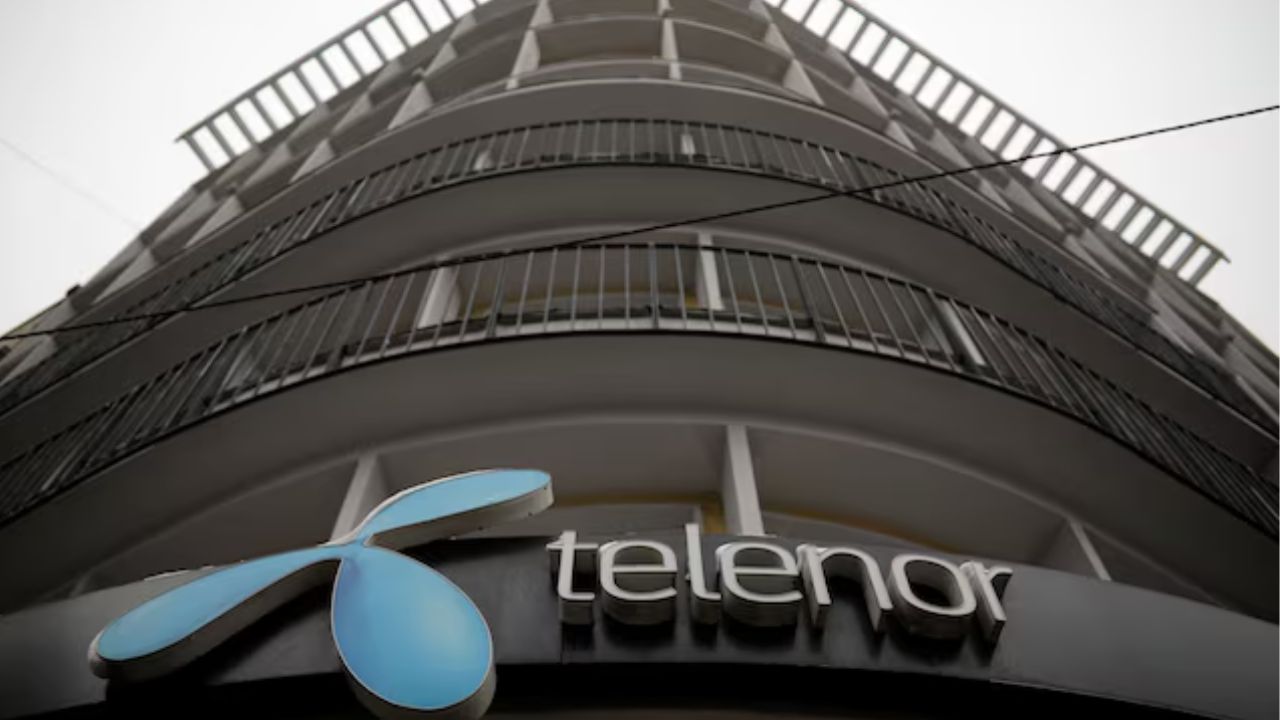

Myanmar civil society groups plan to sue Norwegian telecom giant Telenor, accusing it of violating user privacy by handing over customer data to the military junta, information allegedly used to arrest, torture, and kill civilians after the 2021 coup.
In a statement on Tuesday, Defend Myanmar Democracy and the Myanmar Internet Project said they had filed a pre-action notice, the first formal step toward a lawsuit, accusing Telenor of enabling military surveillance by sharing user call logs and location data, reports Reuters.
Telenor, once one of Myanmar’s biggest foreign investors, exited the market in March 2022, selling to military-linked conglomerate Shwe Byain Phyu, a move critics say gave the junta full access to user data, a claim the company denies.
A copy of the legal notice reviewed by Reuters alleges that the data handover began before the sale and that Telenor complied with junta surveillance demands in order to avoid sanctions and safeguard its employees. The firm is majority-owned by the Norwegian government.

In response, Telenor said in a statement that it had already addressed similar allegations during previous investigations by Norwegian authorities. The company described the Myanmar situation as “tragic” and said it faced a ” no good options” under military rule.
“Refusing military orders would have been interpreted as sabotage or terrorism, directly endangering our employees,” the company stated. “As in all countries, Telenor Myanmar was legally obligated to provide certain data to authorities under national laws.”
However, the Centre for Research on Multinational Corporations (SOMO), which is supporting the civil society groups, claims the shared geolocation and call data was weaponised by the junta to target dissent. “This wasn’t just metadata, it was a digital roadmap to activists and their families,” said SOMO researcher Joseph Wilde-Ramsing.



The military coup in February 2021 plunged Myanmar into a brutal civil conflict, with security forces cracking down on protestors and opposition figures.
According to the Assistance Association for Political Prisoners (AAPP), nearly 7,000 civilians have been killed and around 30,000 arrested since the military takeover.
One of the most high-profile victims was Phoe Zeya Thaw, a former MP and hip-hop artist executed in 2022 alongside three activists.
His wife, Tha Zin, a claimant in the case, said in a statement, “I was shocked and devastated to learn that Telenor may have contributed to my husband’s arrest,” alleging his phone data was handed to the military just before his detention.
Though no direct evidence was cited in the public documents, legal representatives from Simonsen Vogt Wiig, the Norwegian law firm handling the case, said senior executives at Telenor were aware of and approved data-sharing practices under junta pressure.
Ko Ye, another claimant, said many people in Myanmar trusted Telenor over local operators due to its Western ownership.
“We believed they would protect our privacy. But instead, our personal data was turned against us,” he told Reuters. “Corporations must be held accountable. Data privacy is a fundamental human right.”
Neither Shwe Byain Phyu nor Myanmar’s military government have responded to requests for comment.