


The common belief: goodbyes are hard to digest. But there are farewells which the heart refuses to accept.
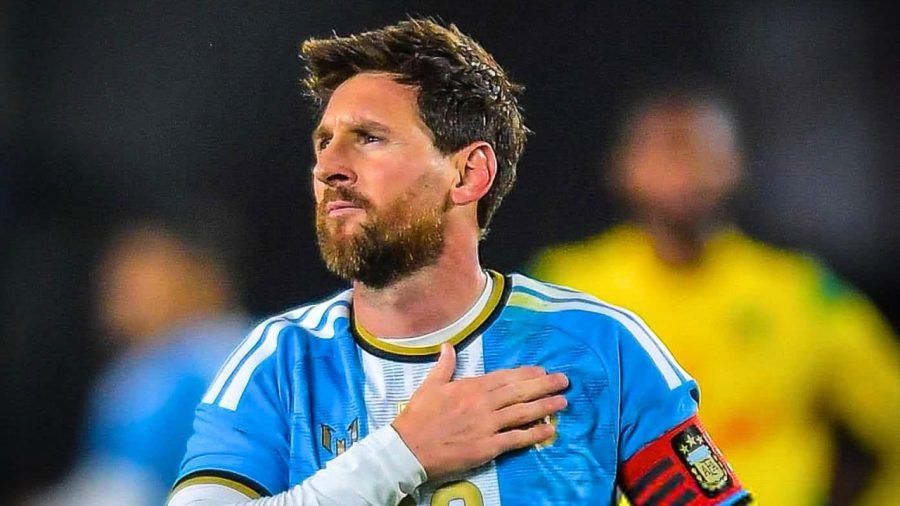
When Messi played his last game against Benin and then gave an emotional speech, the world could only hope this was not real.
The magic he wove kept the world captivated for almost 20 years and what he did for the Argentine national side will be etched in the annals of football.
But, why just Argentina?
Messi belonged to the world; his skills thrilled millions and whether one supports the Albiceleste or not, admiration for the Argentine wizard is universal.
If there was a football magician who added flair to the game, standing out as an example of a disciplined sportsman, then Lionel Messi would come on top.
No off the field controversy, hardly any salacious gossip, a person devoted to his craft, Messi set up the template of how someone gifted with sporting finesse should live.
This is not to demonise the ‘bon viveur’ approach to living by other sports stars but if many celebrated sports personalities pursued a flamboyant and, sometimes, a hedonistic lifestyle, then Lionel Messi was the opposite.
He stands out as the ascetic in the world of football often characterised by extravagance and excess.

A person who did not allow fame, glory and the dough to lead him to the path of a sybarite.
No footballer wants to quit the game, whether it’s a global star or the celebrated player of a small club.
Football is a drug and leaving it triggers a series of withdrawal symptoms, the first of which is the inner desire to never hang up the boots.
As Messi said in his speech: I don’t’ want to leave this pitch; I don’t want this to stop!
Alas, the end must come and it’s always wise to step back when one is at his/her prime.
Messi played six World Cup tournaments, went to final in three of them, took the trophy once, and in all of them, remained the centre of attention.



But let’s look at Lionel and how his brilliance triggered an Argentina craze in Bangladesh.
After Maradona won the World Cup in 1986, a large number of football lovers in Bangladesh titled towards Argentina, especially those who did not support Brazil and were looking for a South American alternative.
Argentina had won the first World Cup in 1978; at that time, live matches were not shown in Bangladesh although the names of stars from that side: Mario Kempes, Osvaldo Ardiles, Daniel Passarella trickled through.
However, the real Argentine frenzy can be attributed to Lionel Messi because he became the poster boy of the team in an age when social media began to dominate our lives.
The result of that was evident during the last World Cup when whole of Dhaka University campus had to be shut off with help from the police during Argentina matches.
The same scene was seen across several university campuses across the country.
Without doubt, Lionel Messi was at his best in the World Cup, playing, assisting, scoring and above all, giving millions of Bangladeshis the vicarious pleasure of winning at the highest stage of football.
Those who bemoan the fact that Bangladesh is far away from football’s apex stage only need to see the depth of support for the Albiceleste.
And it was not just supporters wearing the iconic blue and white jersey, waving flags.
In its most ostentatious form, fans painted their cars in Argentina colours, with several groups from Old Dhaka heading towards the large screen set up at TSC in open hood jeeps draped in Argentine flags.
The credit for much of this admiration goes to that one man, the number ten, Lionel Messi.
While speculation is rife as to what Messi might do after he withdraws from the national side, the player himself has given some hints: buy a club and play a role in the skill development of young players.
That’s indeed encouraging news but he can buy several clubs across the world, devoting his time in helping young footballers across continents.
Actually, his idea of owning a club only triggers a selfish hope in us all: with so much popularity and love for both Messi and Argentina, why not buy a club here in Bangladesh?
Far-fetched?
What can be the immediate benefits of such a move?
A stronger relation between Bangladesh and Argentina, opening a sporting conduit that can have a lasting impact on our football.
Wait, there’s more: once a sporting link is established, trade relations can expand, much to the benefit of both nations.
But Messi can also be involved through a club he buys in Argentina or anywhere else in the world if that sporting entity actively explores a global youth development programme.
The possibilities are countless, but the end line is, Bangladesh would be excited to hold on to Lionel Messi in some form even after he retires from football.
By the way, how about a short trip to this country which stayed awake late into the night during the World Cup to cheer for the Albiceleste and, of course, their talisman.
Argentina almost lost the World Cup final in 2022 against France, only to win it by the skin of their teeth, on penalties.
The Albiceleste were on top of the world, Messi had his wish fulfilled not just because they held their nerve but also because they had the heartfelt prayers of millions from Bangladesh.