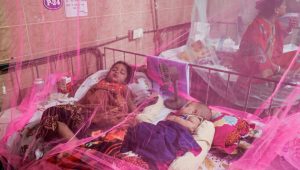
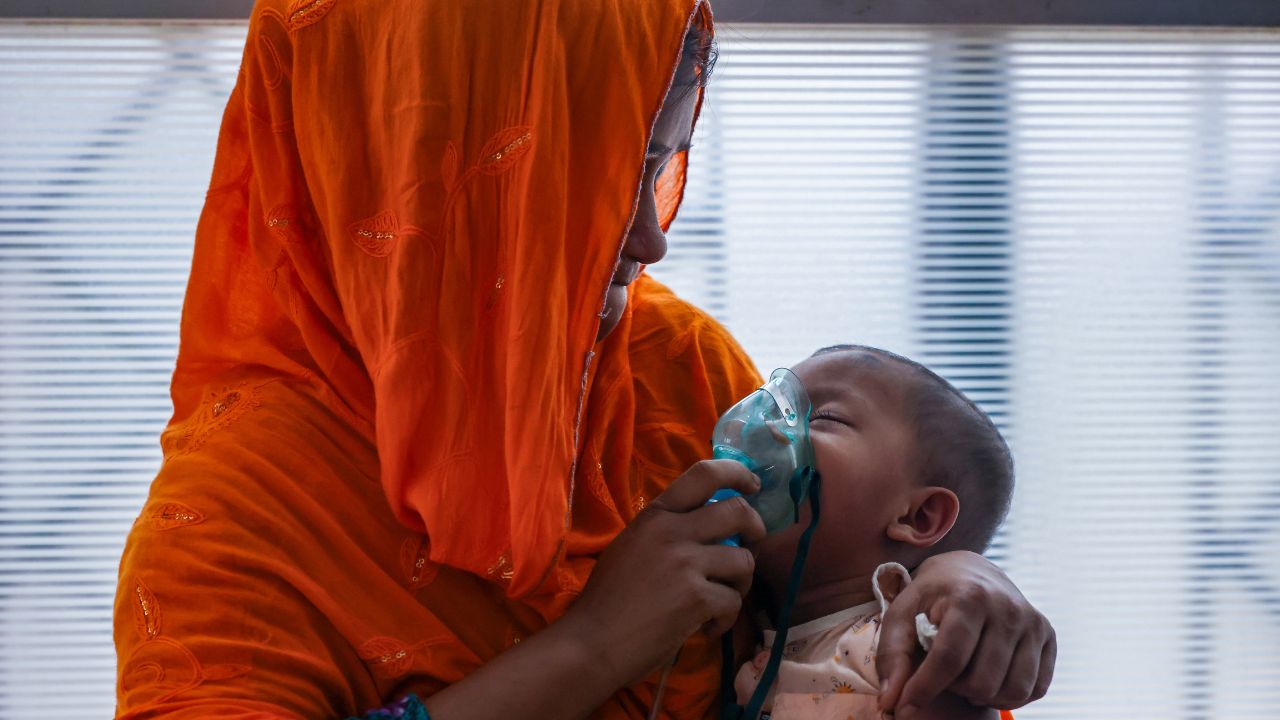
More than 9,000 patients with measles-like symptoms have been admitted to public and private hospitals in Chattogram, with 26 deaths reported so far, according to Civil Surgeon Office data as of 3 October.
A total of 9,209 patients with suspected measles symptoms have been hospitalised, of whom 8,945 have recovered and returned home. Another 264 remain under treatment at different hospitals.
Of 2,515 samples sent for testing, 743 have so far tested positive for measles. Twenty-six patients with measles-like symptoms have died, including three confirmed measles patients.
Doctors said samples could not be collected from all patients admitted with suspected symptoms. As a result, all 9,209 hospitalised patients cannot be considered confirmed measles cases.
Pressure from suspected measles patients continues at the dedicated measles block of Chattogram Medical College Hospital.

A shortage of beds has forced some patients to be treated in general wards, raising concerns that the infection could spread to other patients.
Doctors said some children admitted for treatment of other illnesses had later returned to hospital with measles-like symptoms after initially recovering.


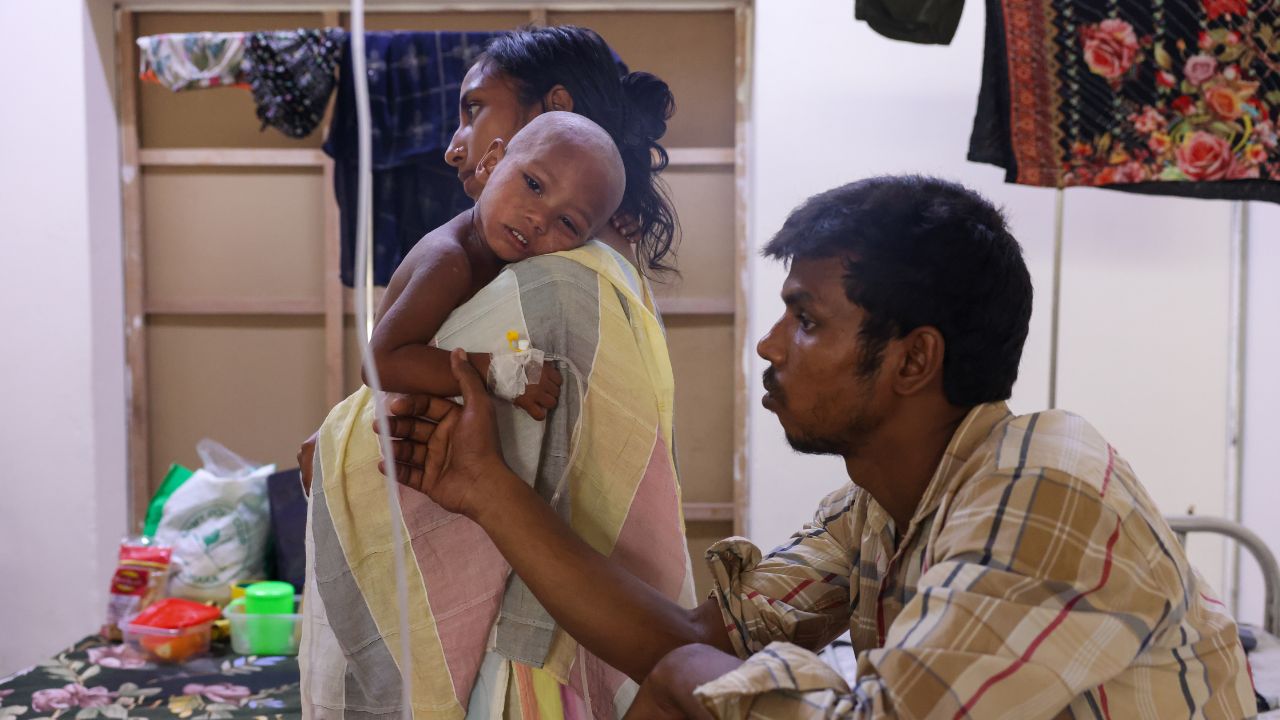
Mohammad Musa Mia, head of the Department of Paediatrics at Chattogram Medical College Hospital, said the situation remained largely unchanged, with patients continuing to arrive every day with measles symptoms.
He said many of the children brought to hospital had not been vaccinated. Some were not yet old enough to receive the vaccine, while others had received the first dose but missed the second.
Some children who had received both doses had also been admitted with measles-like symptoms, he said.
Musa said suspected measles patients were being treated separately and suggested that a dedicated hospital for measles patients could help reduce the risk of transmission to people receiving treatment for other illnesses.
Chattogram Medical College Hospital Director Brig Gen Mohammad Taslim Uddin said patients with measles-like symptoms were being treated separately.
He said the number of patients had increased, but the hospital authorities were trying to ensure the best possible care.Meanwhile, a recent study on children infected with measles in Chattogram found that 46 per cent of the affected children were aged below nine months.
The first measles vaccine is usually administered at nine months, meaning a significant proportion of the infected children contracted the disease before reaching the scheduled age for vaccination. The children covered by the study ranged in age from two months to 11 years.
The study found that 75.5 per cent of the children were from rural or remote areas, while 64.8 per cent belonged to families with low socioeconomic status.
Around 31 per cent of the infected children were suffering from acute malnutrition. Lack of awareness or forgetting vaccination dates was the most commonly cited reason for children missing vaccination, accounting for 52 per cent of cases.
Another 30 per cent missed vaccination because they were ill, 8 per cent because their mothers were ill, 4 per cent due to fear of vaccination and another 4 per cent because their vaccination cards had been lost.