

The latest fuel price hike is putting fresh pressure on consumers and businesses through higher transport and production costs, while also increasing government revenue from taxes and VAT collected on petroleum products.
The government raised fuel prices citing higher international market prices and concerns over smuggling to a neighbouring country. But the increase has also boosted state earnings from fuel taxation, as higher import costs automatically raise tax collections.
Bangladesh Petroleum Corporation (BPC) officials said the government’s tax earnings from fuel have increased from around Tk32 per litre before the hike to more than Tk37 now.
BPC Deputy Manager (Accounts) M Shariful Islam told TIMES that refined diesel currently carries a 25 per cent tax burden, including 6 per cent customs duty, 15 per cent VAT, 2 per cent advance income tax and 2 per cent advance tax.
Tax rates on petrol and octane are slightly lower, while furnace oil used for power generation carries a tax burden of nearly 37 per cent.
However, the government has never publicly disclosed the full breakdown of fuel import costs, operational expenses, taxes and losses, despite repeatedly citing BPC losses as the reason for price adjustments.
Several energy ministry officials declined to comment on the issue when contacted by TIMES.
Fahmida Khatun, distinguished fellow at the Centre for Policy Dialogue (CPD), said the actual import costs, operational expenses, taxes and losses of BPC should be made public.
“During periods of abnormal price increases in the international market, taxes could be reduced temporarily and reconsidered once the situation normalises. This would help maintain a balance between consumer and government interests,” she said.

Global crude oil prices are currently hovering around $100 per barrel, with each barrel containing 159 litres.
Following the latest increase, Bangladesh’s diesel price has risen to Tk135 per litre, petrol to Tk160 and octane to Tk165.
The country imports around 1.5 million tonnes of crude oil annually and 3.5 million to 4 million tonnes of refined diesel, which is more expensive than crude oil.
Shipping costs have added to the pressure. BPC’s Shariful Islam said freight charges have climbed to $22 per barrel, around double last year’s level.
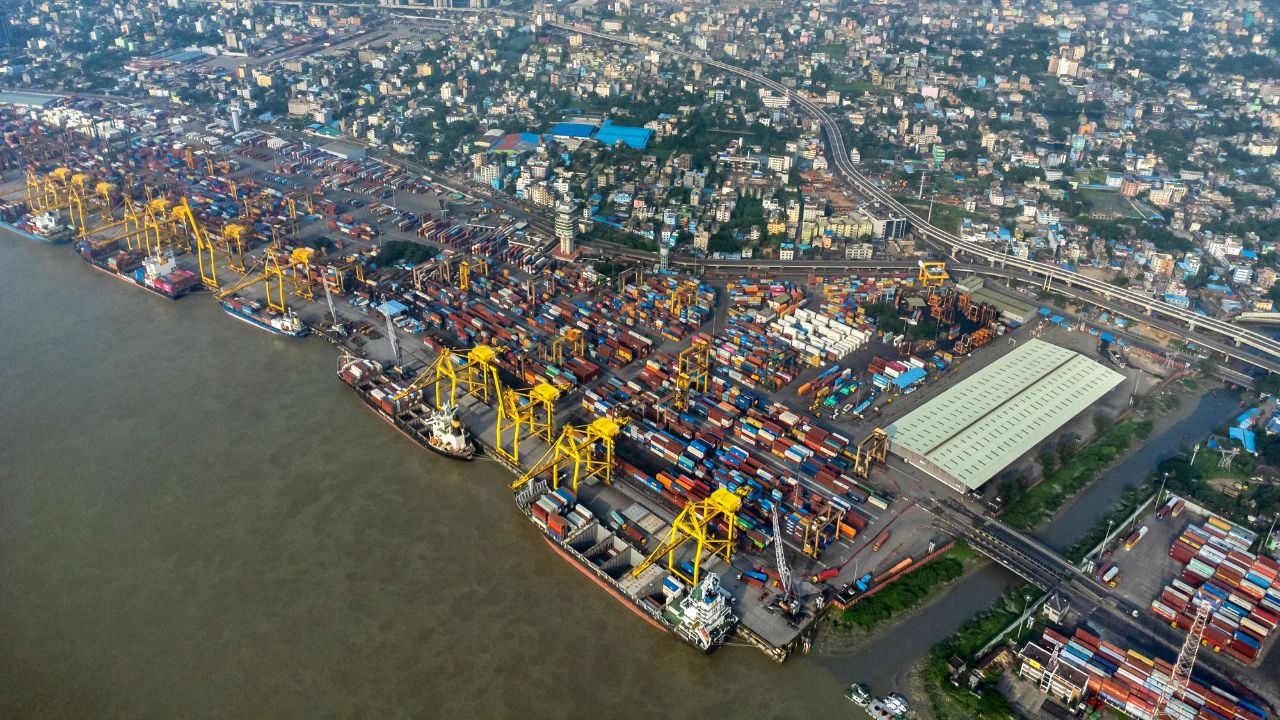
Chattogram Customs data show that imported diesel cost Tk154 per litre in September, compared with around Tk150 in August.
The import cost was Tk87 per litre in January. In April, when diesel prices were increased by Tk15 to Tk115 per litre, the import cost was Tk132.



When the import cost was Tk87 per litre, the government collected more than Tk19 in taxes per litre. That amount has now crossed Tk34.
Announcing the price increase, the government said BPC suffered losses of Tk22,875.66 crore between March and August.
Before the increase, it said BPC was losing nearly Tk89 per litre on diesel, resulting in daily losses of around Tk109 crore.
At that rate, annual losses from diesel alone would reach nearly Tk40,000 crore. The government expects the Tk20 per litre diesel price hike to reduce BPC’s annual losses by around Tk10,000 crore.
However, the government did not provide details of revenue collected from taxes, VAT, advance income tax and advance tax.
Bangladesh Bank data show that import expenditure on fuel oil and petroleum products was $5.14 billion in the 2024-25 fiscal year, rising to $10.63 billion in the following fiscal year.
Based on a 25 per cent tax rate applicable to diesel, tax collections from fuel imports could have amounted to around $1.28 billion in 2024-25 and $2.66 billion in the following year.
Fahmida Khatun said reducing taxes on diesel, petrol, octane and furnace oil could help ease pressure from the price increase.
“It could reduce pressure on transport costs, agricultural production costs and prices of essential goods,” said the economist.
The latest increase has already pushed up transport costs.
Bus fares have been raised by 20 paisa per kilometre, although passengers in some cases are being charged an additional 50 paisa.
Truck fares have increased by Tk5,000 to Tk10,000 depending on distance, raising concerns over further increases in commodity prices.
Past experience shows that transport fares often rise beyond the government-approved rate after fuel price adjustments, increasing pressure on household expenses.
Under the Bangladesh Energy Regulatory Commission Act 2003, the government is supposed to submit fuel price proposals to the commission.
However, successive governments have kept fuel pricing under their own control, arguing that they can determine prices until relevant regulations are framed.
M Shamsul Alam, energy adviser to the Consumers Association of Bangladesh (CAB), said consumers have the right to know whether fuel prices are reasonable.
“The government is a seller of the product. If it suffers losses, it should provide detailed information to the public. Consumers should have the opportunity to verify whether the price is justified,” he said.
He also questioned the government’s argument that fuel price differences with neighbouring countries lead to smuggling.
“The issue of smuggling comes up only when fuel prices are increased. At other times, nobody talks about it,” he said.
The fuel price hike came at a time when global oil markets were showing signs of cooling.
On Monday, Brent crude futures for November delivery fell 2.11 per cent to $101.68 per barrel, the lowest in 11 days. Prices had reached $109 per barrel on 15 September.
US West Texas Intermediate (WTI) crude futures for October delivery also fell 2.1 per cent to $98.19 per barrel.
JPMorgan analysts said in a note on 18 September that despite disruption to Saudi Arabia’s East-West pipeline, oil supplies from the Middle East remained significant. Average daily supply over the previous 10 days was 17.1 million barrels, though it was 6.1 million barrels lower than the 2025 average.