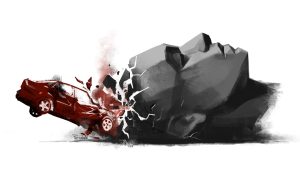



There was always going to be a certain amount of pressure on “The Blood of Dawnwalker”. Rebel Wolves was founded by veterans of CD Projekt Red, including former “The Witcher 3: Wild Hunt” director Konrad Tomaszkiewicz, and the studio’s debut immediately invited comparisons to one of the most celebrated RPGs of the last decade.
On paper, it sounded almost too familiar: a sprawling medieval world, morally complicated characters, monsters lurking in the wilderness and a protagonist caught between humanity and something much darker.
Yet The Blood of Dawnwalker manages to establish an identity of its own. It is not simply The Witcher with vampires. Instead, it takes the foundations of the modern open-world RPG and builds an adventure around a much more interesting question: What happens when there simply isn’t enough time to see everything?
The answer: A surprisingly focused RPG that understands the value of leaving things unfinished.
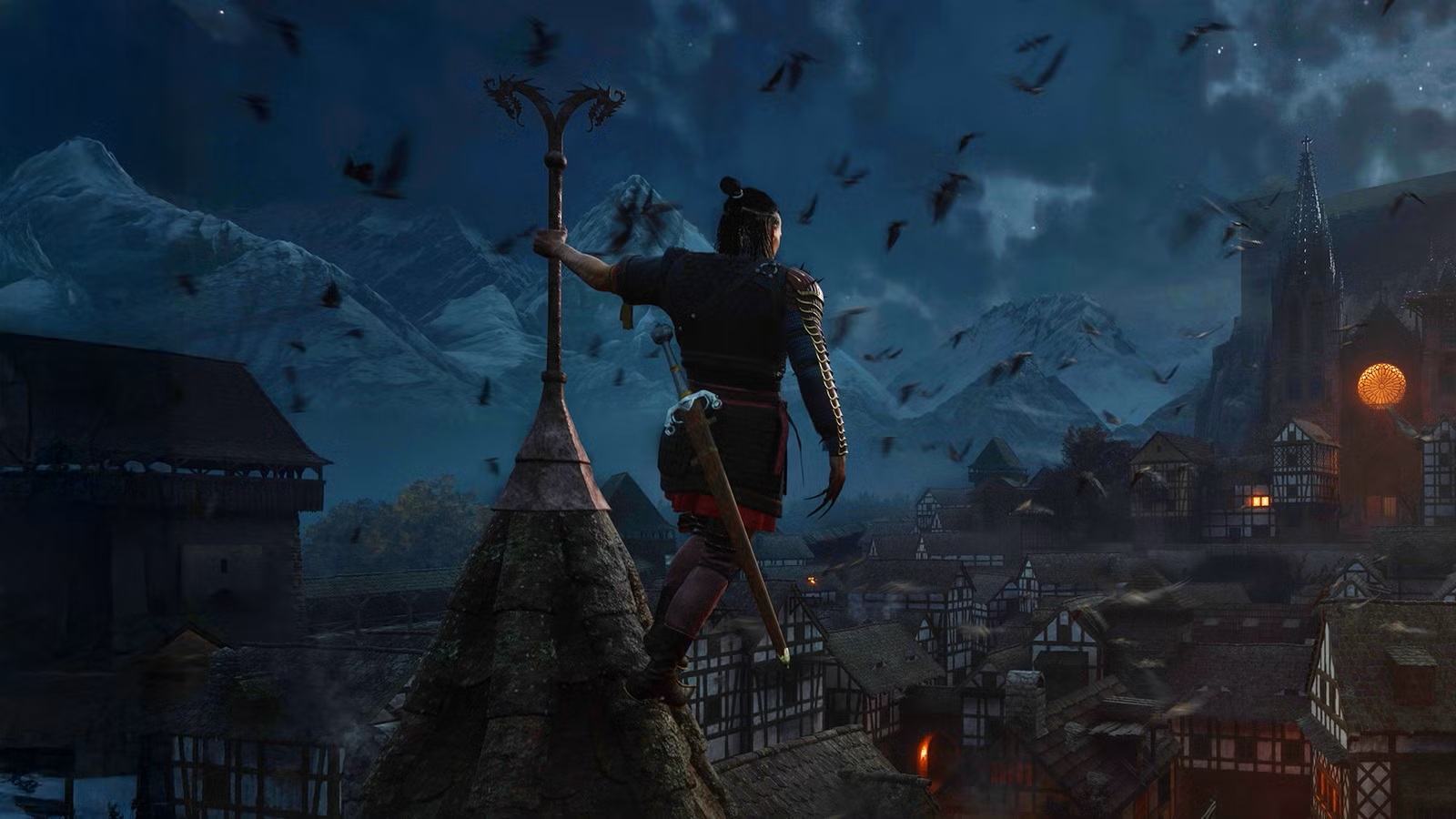

Set in the fictional version of 14th-century Europe, the game follows Coen, a young man whose attempt to save his family leads to his transformation into a Dawnwalker – a being caught between human and vampire. During the day, Coen retains his humanity. At night, his vampiric nature emerges, bringing supernatural abilities and an entirely different approach to exploration and combat.
That duality is easily the game’s strongest idea. The day-night cycle is more than a visual gimmick. Certain abilities, encounters and opportunities change depending on the time of day, forcing players to think about when an objective should be tackled rather than simply checking every box on a map. The vampire powers also give Coen a welcome sense of progression. There is a genuine satisfaction in gradually becoming more dangerous while still being reminded that his humanity remains important.
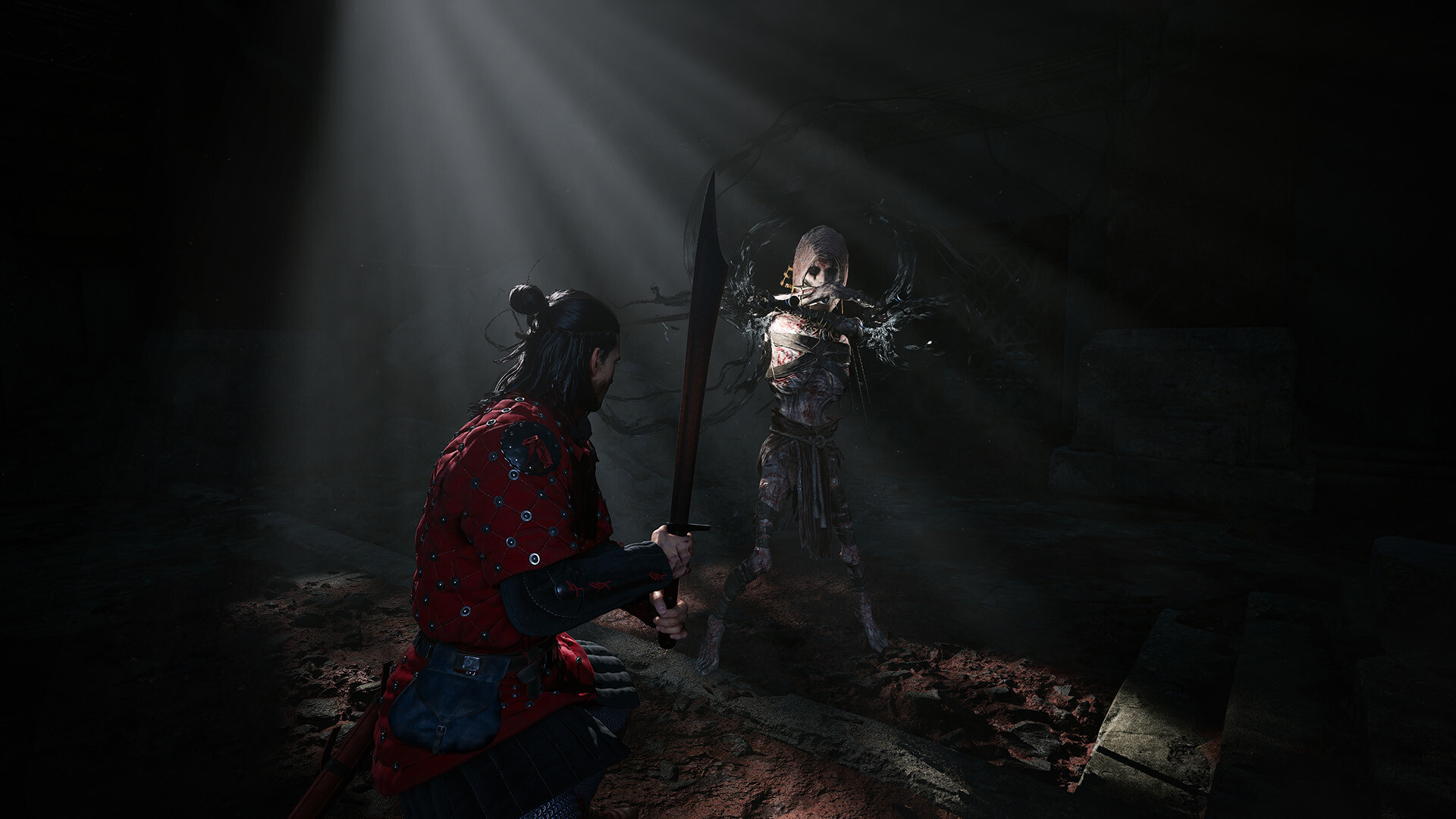
Combat takes some getting used to. Its directional mechanics demand considerably more attention than the standard hack-and-slash systems found in many open-world RPGs, almost feeling like Ubisoft’s “For Honor”. Blocking, positioning and timing attacks become increasingly important, and the system can initially feel somewhat awkward. Once its rhythm becomes familiar, however, encounters become considerably more satisfying.




The problem is that combat does not always have enough variety to sustain that satisfaction indefinitely. Enemy encounters can begin to feel repetitive, particularly when the surrounding world is asking for far more attention than the battles themselves. The combat works, but it rarely reaches the same heights as the game’s strongest narrative systems.
Coen’s desperate attempt to rescue his family gives the adventure an unusually personal motivation. Instead of saving the world because an ancient prophecy says so, the stakes are immediate and understandable. His family is in danger, and every decision potentially brings him closer to (or further away from) saving them.
That urgency is reinforced by the game’s most unusual mechanic: Coen has 30 days. The clock is not simply a conventional countdown demanding that players rush through the campaign. Time passes as meaningful actions are taken, which means helping characters, investigating problems and pursuing optional objectives can consume precious days. The result is a fascinating conflict between curiosity and responsibility.
Open-world RPGs traditionally encourage completion. Players are conditioned to clear every question mark, collect every item and finish every side quest before advancing the main story. The Blood of Dawnwalker pushes against that instinct. There is simply no realistic way to experience everything in one playthrough, and that limitation makes individual decisions feel more significant.
It is one of the game’s smartest ideas, even if it does not always create the constant pressure its premise suggests. Players can become accustomed to the rhythm of the clock, and the urgency occasionally fades into the background. Still, the psychological effect remains. Every quest comes with an implicit question: Is this worth spending another day?
The world itself is beautifully miserable. Villages, forests, castles and ruined settlements create a grim medieval landscape that feels appropriately hostile. There is a strong sense of place, and the art direction successfully blends historical European influences with supernatural horror. But the resemblance to The Witcher is impossible to ignore.
Mud-covered villages, morally ambiguous quests and tortured inhabitants are all familiar territory. Rebel Wolves clearly understands why those elements worked so well, but familiarity occasionally prevents Dawnwalker from feeling revolutionary. Its strongest moments occur when the game stops trying to resemble its influences and fully embraces its own vampire mythology.
That is ultimately what makes The Blood of Dawnwalker so compelling. It is at its best when it is not attempting to be the next The Witcher, but rather the first Dawnwalker.
Most importantly, Rebel Wolves understands something that many modern RPGs have forgotten: An open world does not need to be endless to feel alive.
The Blood of Dawnwalker is a game about scarcity: Scarce time, difficult choices and the impossibility of experiencing everything. That philosophy gives its world a sense of consequence that many enormous RPGs struggle to achieve.
For a debut, that is an impressive achievement. The Blood of Dawnwalker may not be flawless, but it has a clear identity, ambitious ideas and enough confidence to let players miss things.
Rating: 4.5/5