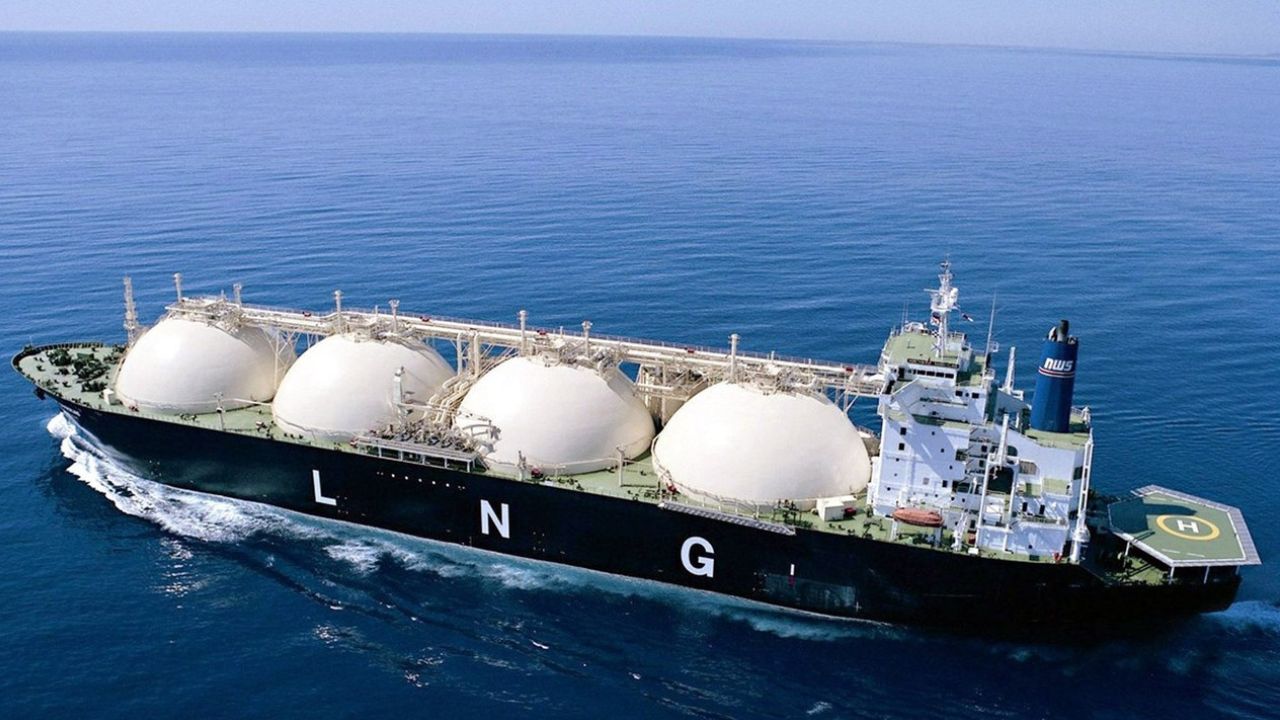



A liquefied natural gas (LNG) cargo vessel carrying around 65,000 metric tonnes of LNG has arrived at the Summit LNG terminal at Maheshkhali amid an ongoing gas crisis in the country.
The vessel berthed at the terminal on Wednesday, raising hopes for improved gas supply, although the national grid is still receiving gas at about 75 per cent of normal demand.
Despite the arrival of the fresh LNG cargo, gas shortages persist, with supply remaining nearly 25 per cent below the country’s overall requirement.
According to vessel tracking website VesselFinder, the Liberia-flagged LNG carrier MARIA ENERGY transported the cargo from Australia. The vessel departed from Barrow Island Port on 25 August and reached Maheshkhali on 2 September.

Deputy General Manager (LNG) of Rupantarita Prakritik Gas Company Limited (RPGCL), Muhammad Nasir Uddin said the cargo was supplied by Aramco Singapore.
Currently, Summit’s terminal is supplying around 570 million cubic feet per day (mmcfd) of regasified LNG to the national grid.



Meanwhile, the country’s other LNG terminal, operated by Excelerate Energy, is supplying around 180 mmcfd due to a shortage of LNG cargo.
The previous LNG vessel departed the terminal after unloading on 25 August, and a new cargo ship is expected to arrive on 4 or 5 September.
Although Bangladesh’s two floating LNG terminals have a combined regasification capacity of 1,000 mmcfd, only around 750 mmcfd was being supplied to the national grid on Wednesday because of limited LNG availability.
RPGCL officials said that under normal conditions, around nine LNG cargoes arrive at the two terminals every month.
However, disruptions in global energy supply chains and constraints in LNG transportation routes linked to geopolitical tensions in the Middle East have affected regular deliveries from major suppliers, including Qatar Energy.
As a result, Bangladesh is currently receiving only four to five LNG cargoes monthly through alternative shipping routes, although the country has increased spot market purchases at higher prices.
According to RPGCL data, Bangladesh received nine LNG cargoes in July, while only six cargoes arrived in August, contributing to the ongoing gas supply shortfall.