Nearly two years after the legal proceedings began over enforced disappearances committed during the prolonged rule of the deposed Awami League government, victims’ families are growing increasingly concerned about the slow pace of investigations and trials.
The concern comes as Bangladesh observes the International Day of the Victims of Enforced Disappearances on Sunday, with several cases involving allegations of crimes against humanity pending before the International Crimes Tribunal.
According to prosecution sources, three disappearance-related cases are currently under trial, while investigations into 38 more complaints relating to crimes against humanity are underway. More than 50 complaints have been selected for investigation, while hundreds of other allegations remain with the prosecution and investigation agencies.
Despite the growing number of cases, progress has been limited. Six cases have so far reached verdicts, while several major trials are yet to complete witness testimony.
The formal trial process began in December last year with charges framed against deposed prime minister Sheikh Hasina and 12 current and former army officers over alleged enforced disappearances and torture at the Joint Interrogation Centre (JIC), operated by the Directorate General of Forces Intelligence (DGFI). Another case involving allegations linked to the Task Force for Interrogation (TFI) Cell was initiated against 17 people.
A separate case involving former army officer Ziaul Ahsan over allegations of enforced disappearances and killings also began later. However, more than eight months after proceedings started, witness testimony remains incomplete.
The slow progress has raised concerns among victims’ families and rights activists, who argue that prolonged trials could deepen the suffering of families waiting for justice.

The prosecution, however, rejected claims that the trials are moving slowly.
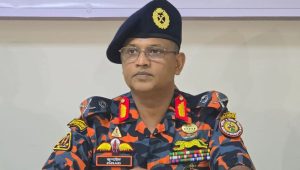
Chief Prosecutor Md Aminul Islam told TIMES that several cases are being heard simultaneously and that the prosecution is continuing its work.
He said separate defence teams for multiple accused are cross-examining prosecution witnesses, increasing the time needed to complete hearings.
“Every day, four to five cases are being heard. When witness testimony takes place in one case, it cannot continue in another case at the same time,” he said.




Aminul said increasing the number of tribunals, prosecutors and investigators would be necessary to speed up proceedings as more cases are likely to come before the court.
“Currently, completing a case takes around three to five months. Considering the number of pending cases and future complaints, pressure on the existing tribunals will increase,” he said.
Prosecutors say disappearance cases are among the most difficult crimes to investigate because many victims have not returned and evidence collection remains challenging.
Prosecutor Shaikh Mahdi said cases involving missing victims are particularly complex.
“Finding evidence in such cases takes time,” he said.
He added that the large number of accused persons has also increased the duration of cross-examinations, with some witnesses facing questioning for nearly a month.
Among the high-profile cases under investigation is the alleged abduction of BNP leader Ilias Ali and his driver in 2012.
Prosecution sources said investigators have found information regarding the alleged involvement of Air Force officer Wing Commander Saifur Rahman, while the role of other officials, including former lieutenant general Sheikh Mamun Khaled, is also being examined.
Ilias Ali and his driver disappeared from Dhaka’s Banani area on 17 April 2012 and have not been traced since.
Another major case involves Home Minister Salahuddin Ahmed, who filed a complaint alleging his disappearance. More than a year later, the investigation report is yet to be submitted.
Chief Prosecutor Aminul Islam said the investigation is at the final stage and the report will be submitted soon.
For victims’ families, compensation or government support cannot replace justice. Families affected by disappearances and July killings have repeatedly demanded accountability, saying delays increase their uncertainty and pain.
Brigadier general (retd) Hasinur Rahman, who was himself a victim of enforced disappearance, told TIMES that the trials were progressing too slowly.
“The government needs to ensure that justice is delivered within a reasonable timeframe,” he said.
He said increasing the number of tribunals, investigators and support staff would be necessary to handle the growing number of cases.
As Bangladesh marks the International Day of the Victims of Enforced Disappearances, the central challenge remains turning promises of justice into timely verdicts for families who have waited for years.